Science & Nature
Space and the sky, earthquakes and volcanoes, weather and climate, living things, physics and chemistry: plain-language, sourced answers to curious questions about how nature works.

What is quantum? How does quantum physics work?
A simple explanation of how quantum mechanics accounts for tiny objects acting as both particles and waves, and how it links to everyday technology.
Photo: Anita Fors (Chalmers), CC BY-SA 4.0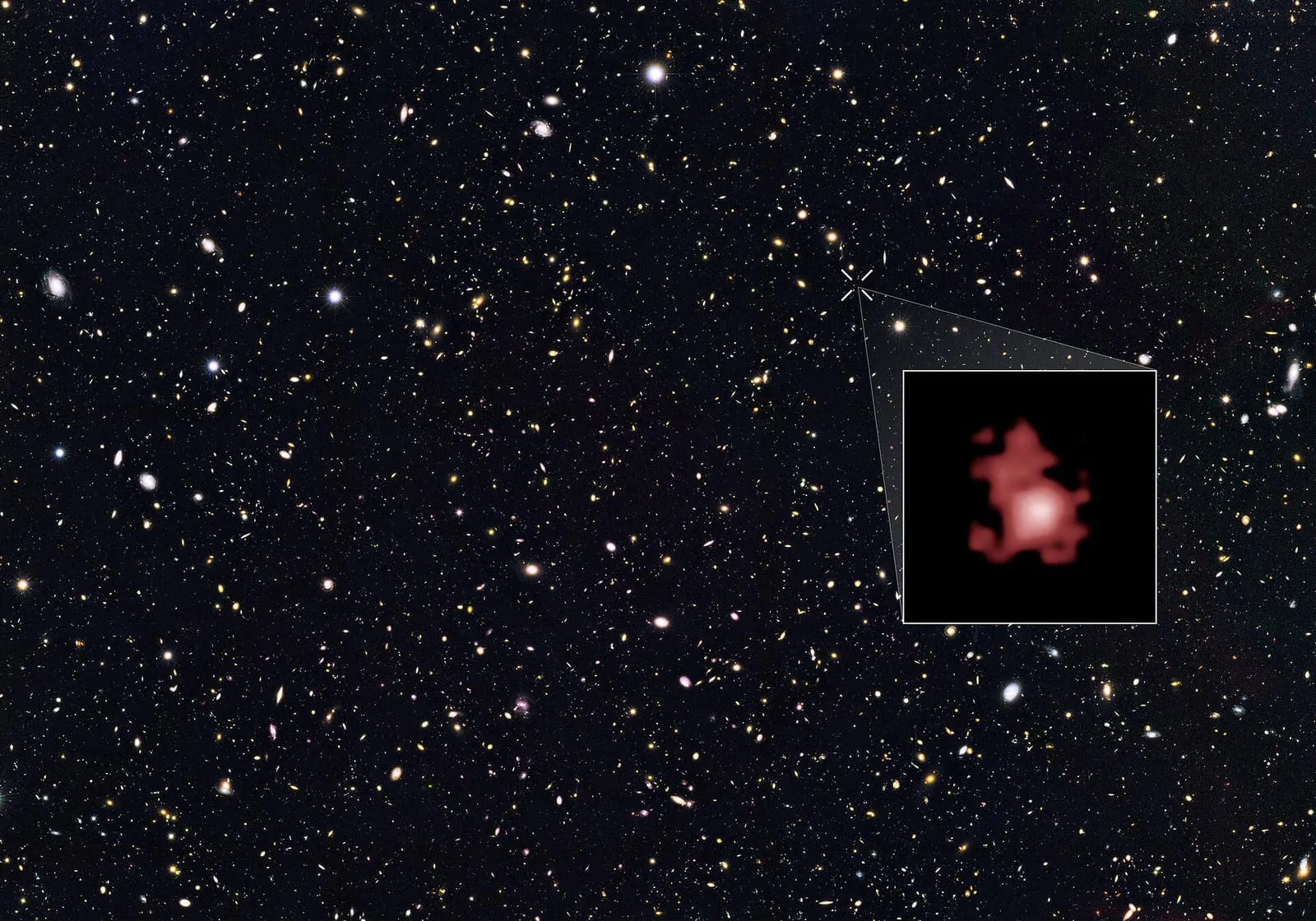
What is a light-year and how many kilometres is it?
A simple explanation of what a light-year is, how many kilometres it equals, why looking into space means looking back in time, and other distance units.
Photo: NASA, ESA, P. Oesch (Yale University), G. Brammer (STScI), P. van Dokkum (Yale U, Public domain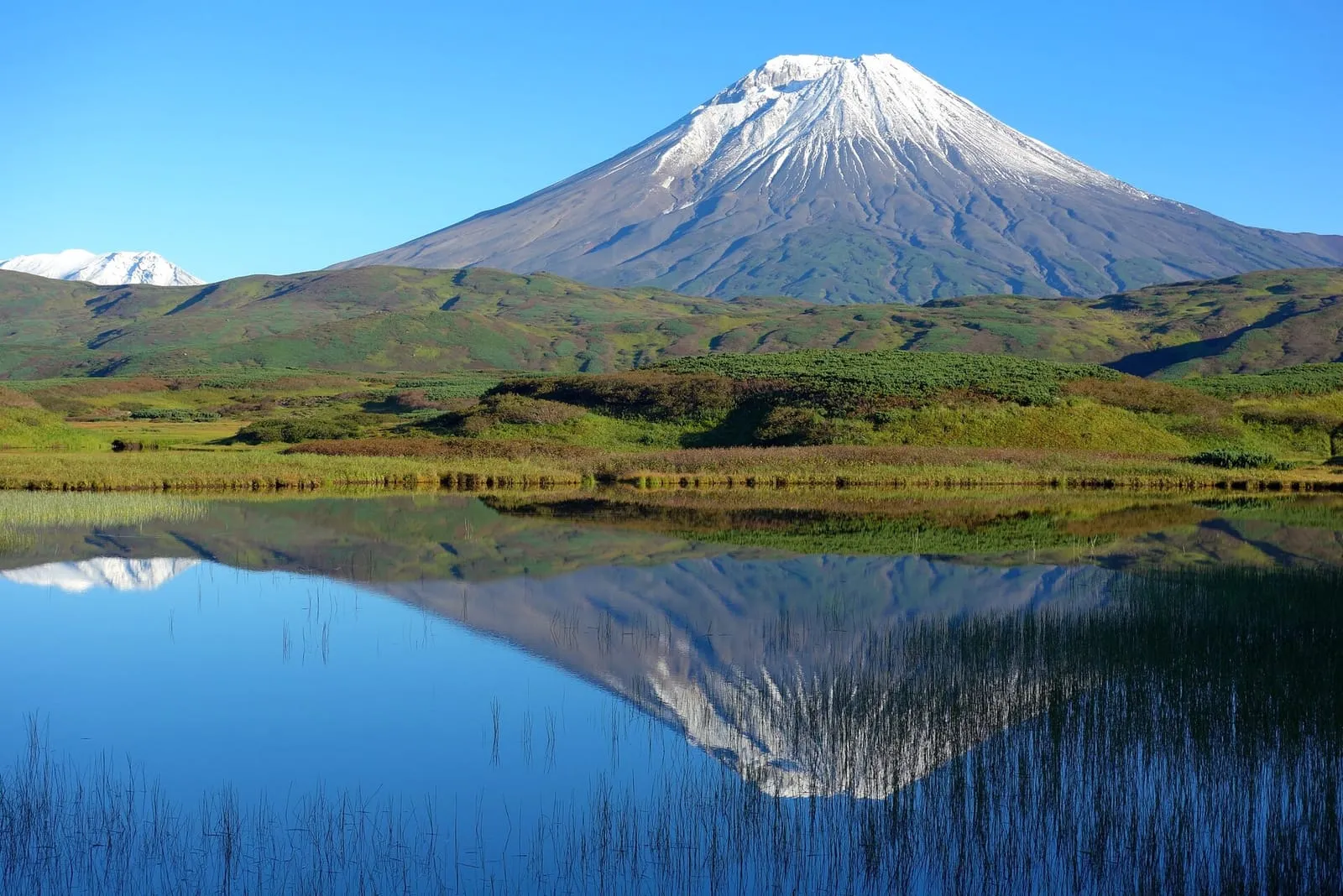
What is the Pacific Ring of Fire? Why so many quakes and volcanoes?
A simple explanation of where the Pacific Ring of Fire is, why it has so many volcanoes and earthquakes, and how subduction zones work.
Photo: Daniel Läubli, CC BY 3.0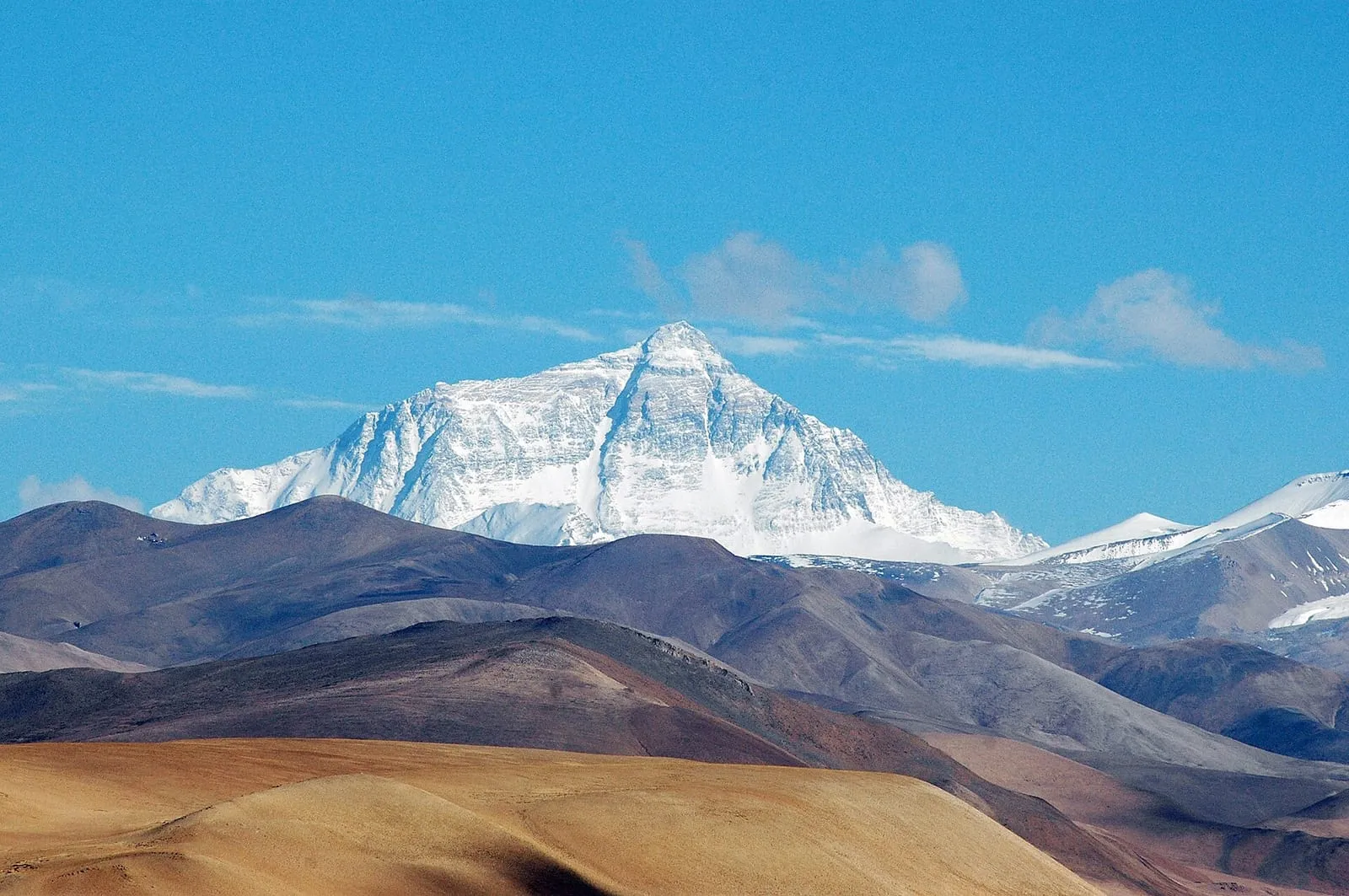
What is the highest mountain in the world?
A simple explanation of how the answer depends on how you measure: Everest, Chimborazo and Mauna Kea, and how Everest came to be.
Photo: Joe Hastings, CC BY 2.0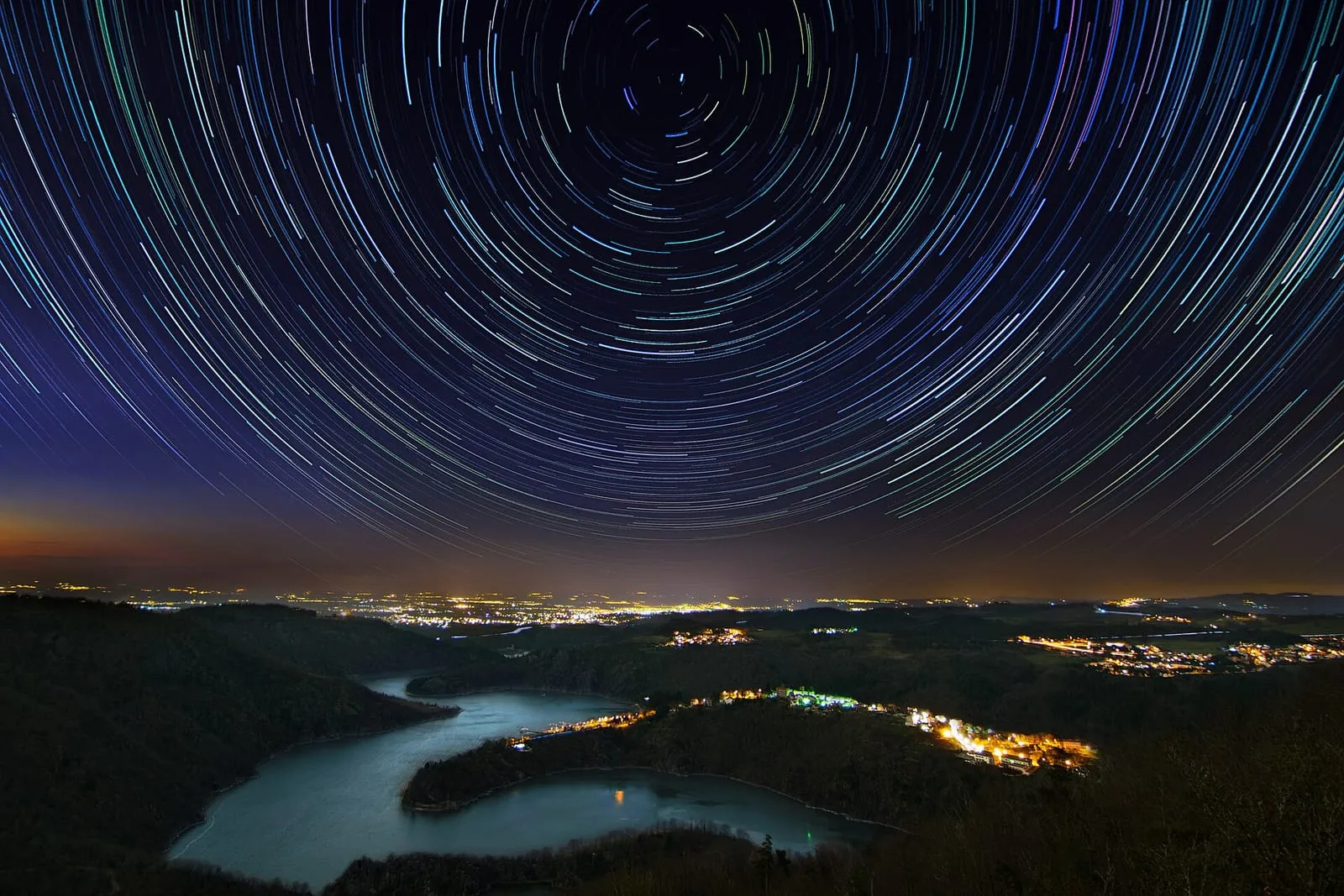
What is the North Star and how do you find it?
A simple explanation of why the North Star always points north, how to find it with the Big Dipper and Cassiopeia, and why it can change over time.
Photo: 0x010C, CC BY-SA 4.0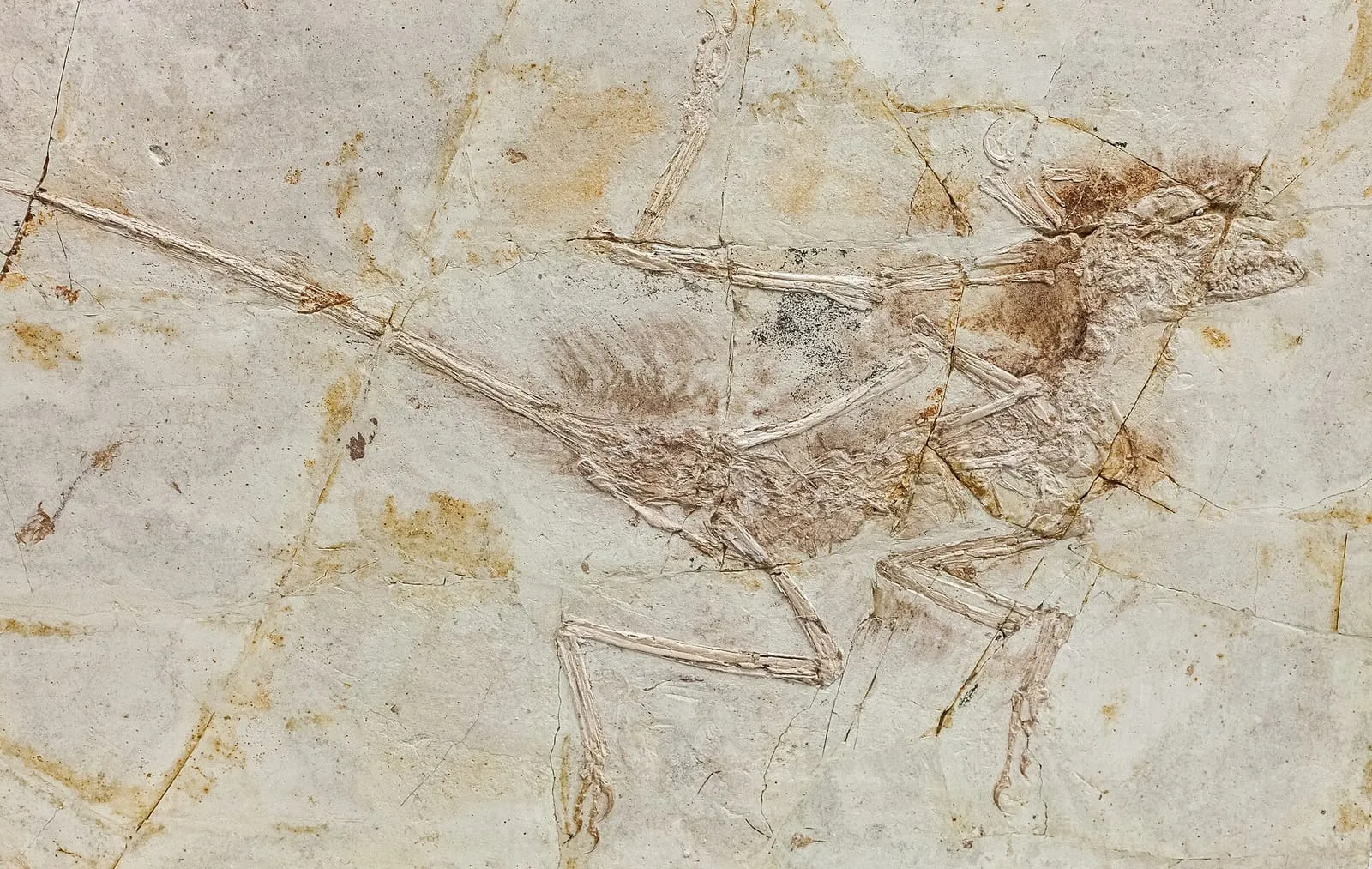
How do fossils form?
A simple explanation of how fossils form, which living things are more likely to fossilise, body and trace fossils, and the processes of fossilisation.
Photo: Tiouraren (Y.-C. Tsai), CC BY-SA 4.0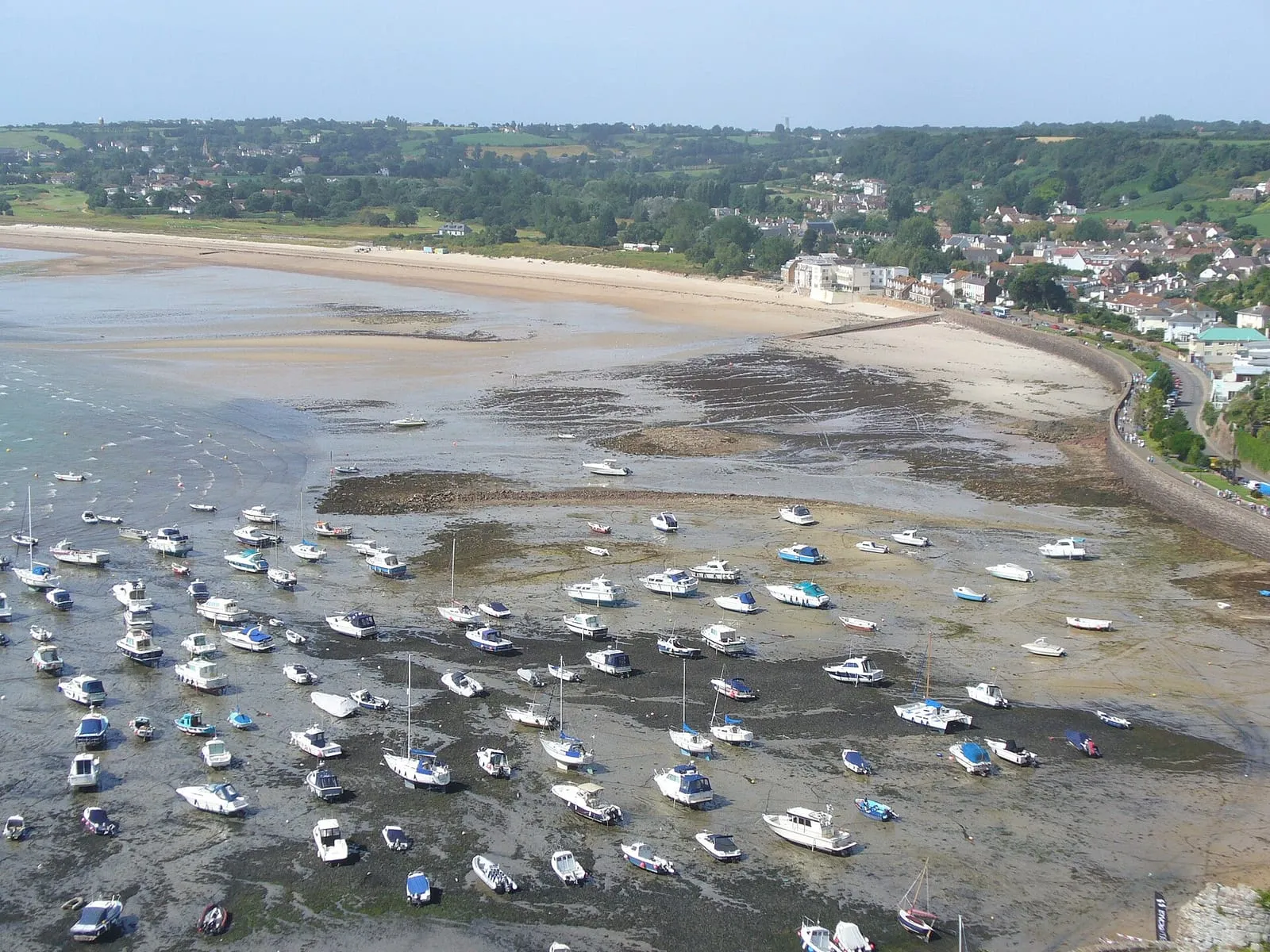
How do tides work?
How the gravity of the Moon and Sun creates tides, why the Moon dominates, and how human activity can change them, explained simply.
Photo: FoxyOrange, CC BY-SA 3.0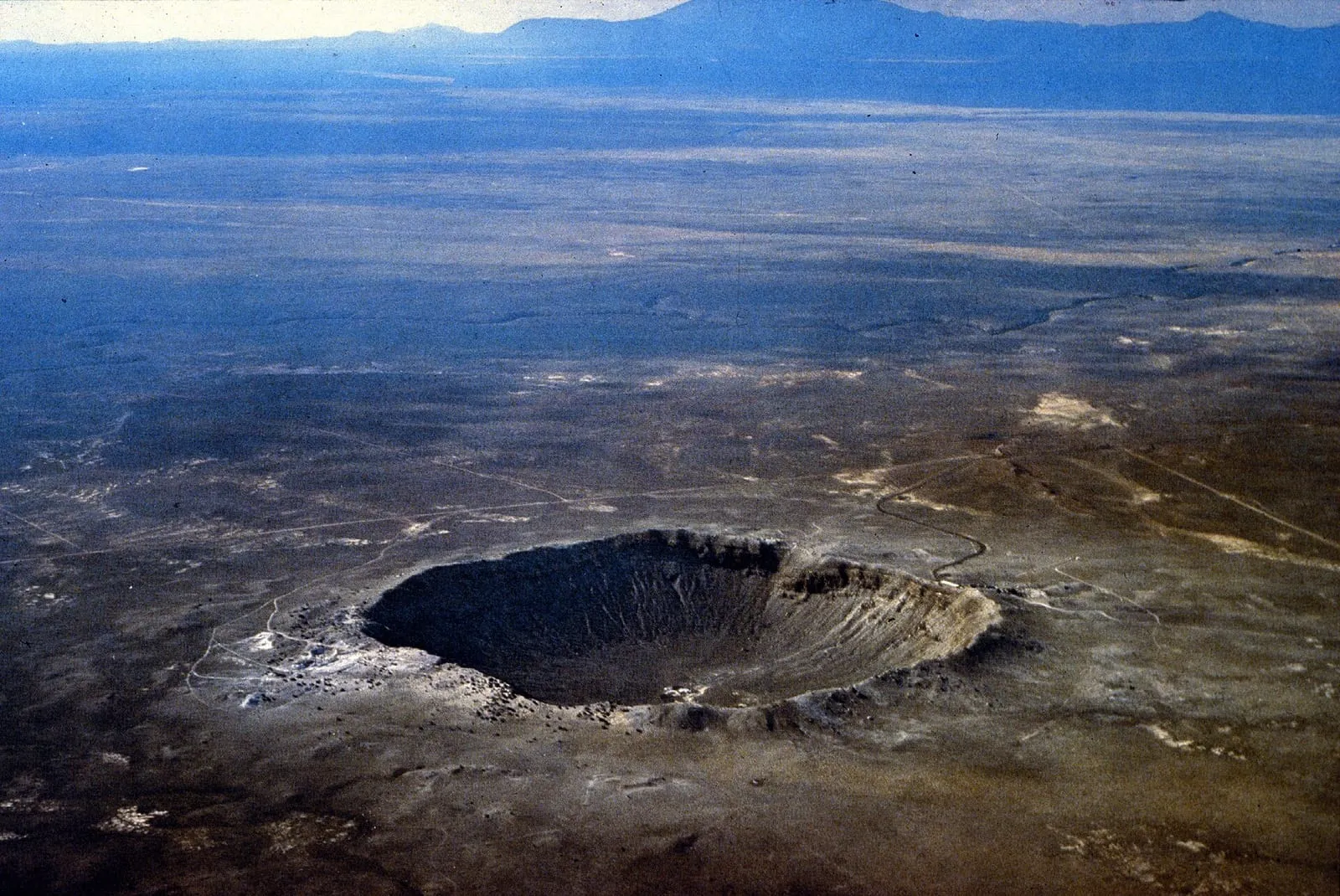
How old is Earth, and how do we know?
A simple explanation of how Earth's 4.54-billion-year age was worked out, why the oldest rocks can't give it directly, and the role of meteorites.
Photo: USGS/D. Roddy, Public domain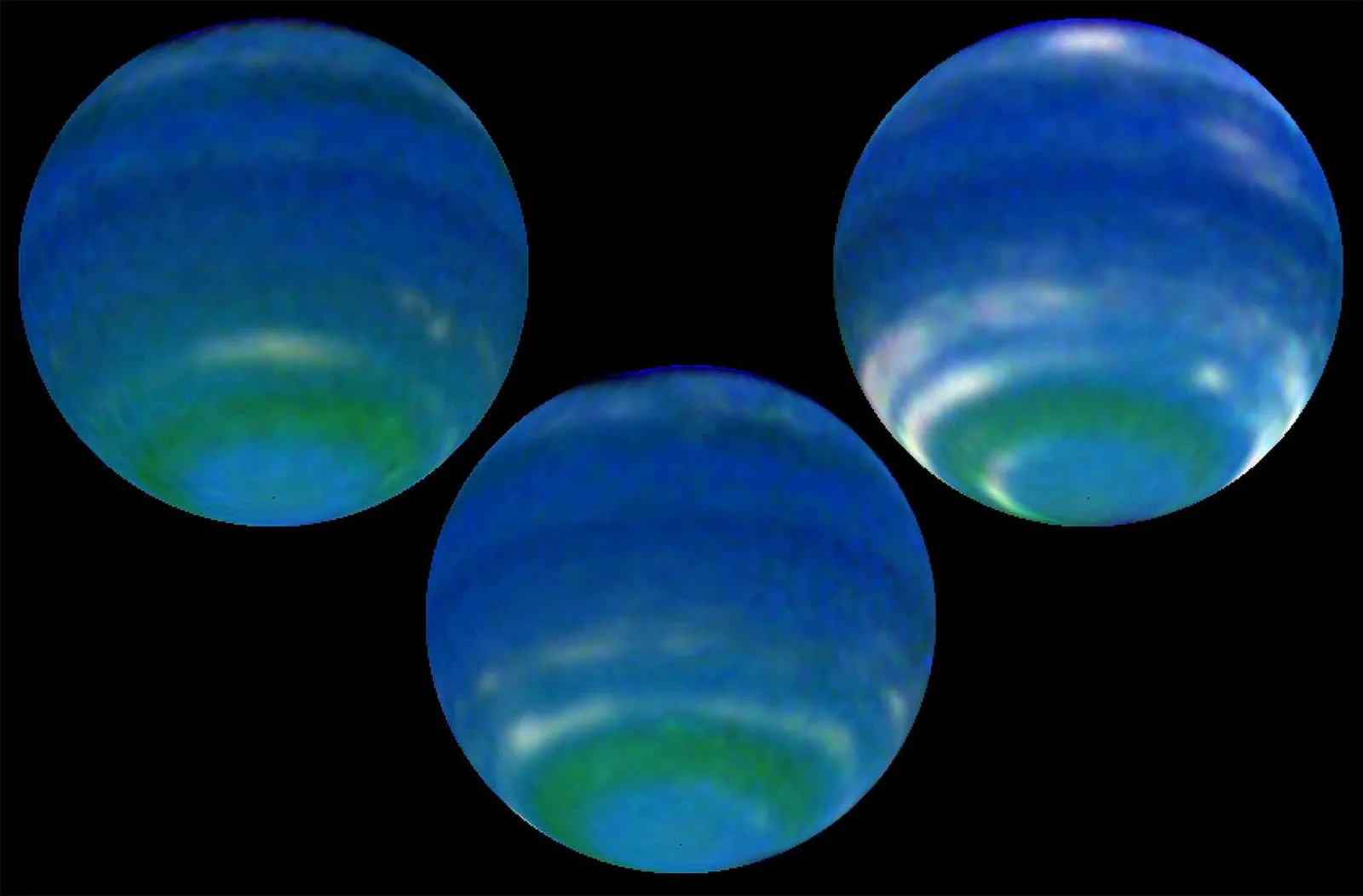
Is Neptune the windiest planet in the Solar System?
Neptune's supersonic winds, its storms and its clouds linked to the solar cycle, explained simply.
Photo: NASA Hubble, CC BY 2.0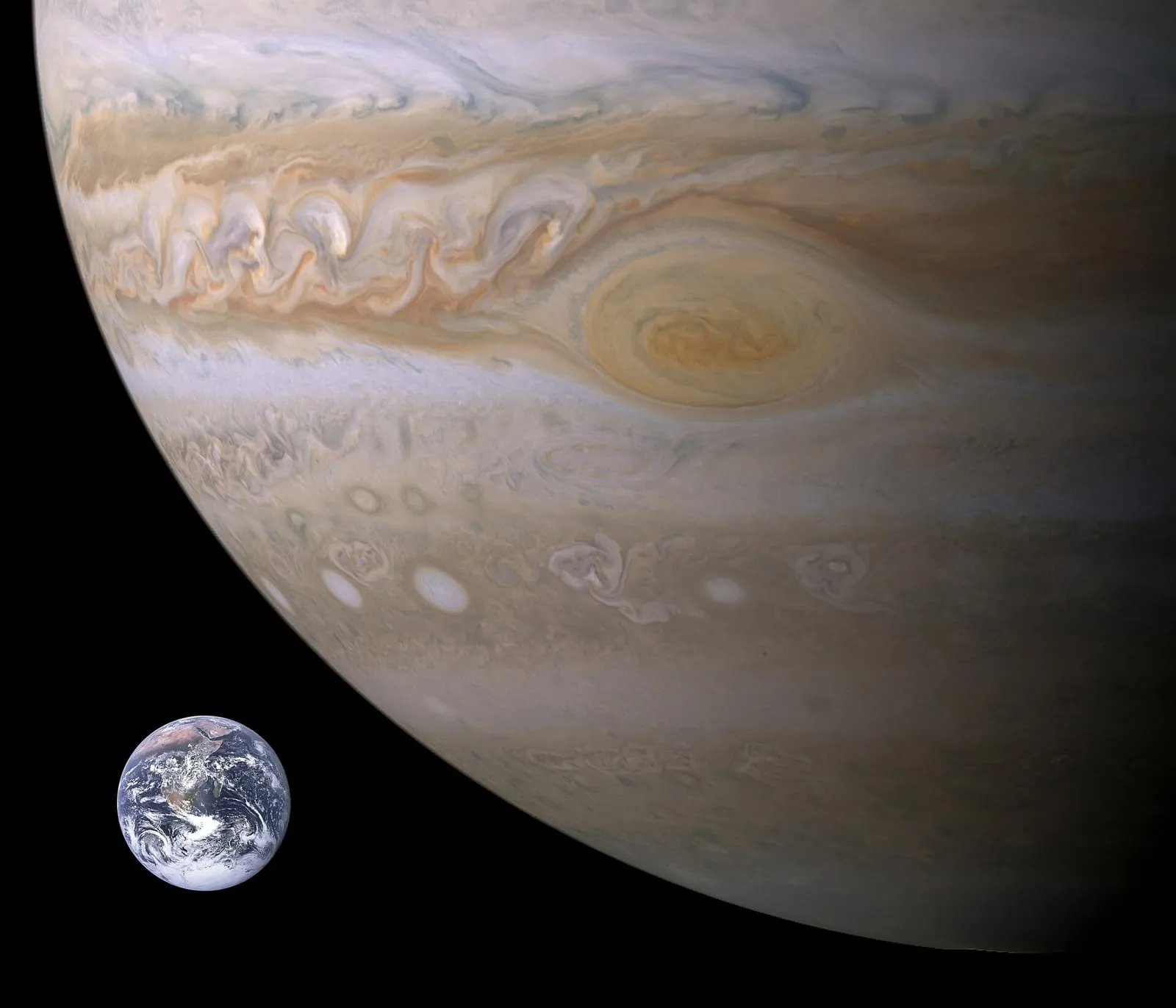
What is Jupiter's Great Red Spot?
The size of Jupiter's giant storm, the Great Red Spot, how it spins, what is known about its colour, and its smaller sibling, Oval BA, explained simply.
Photo: NASABrian0918 at English Wikipedia, Public domain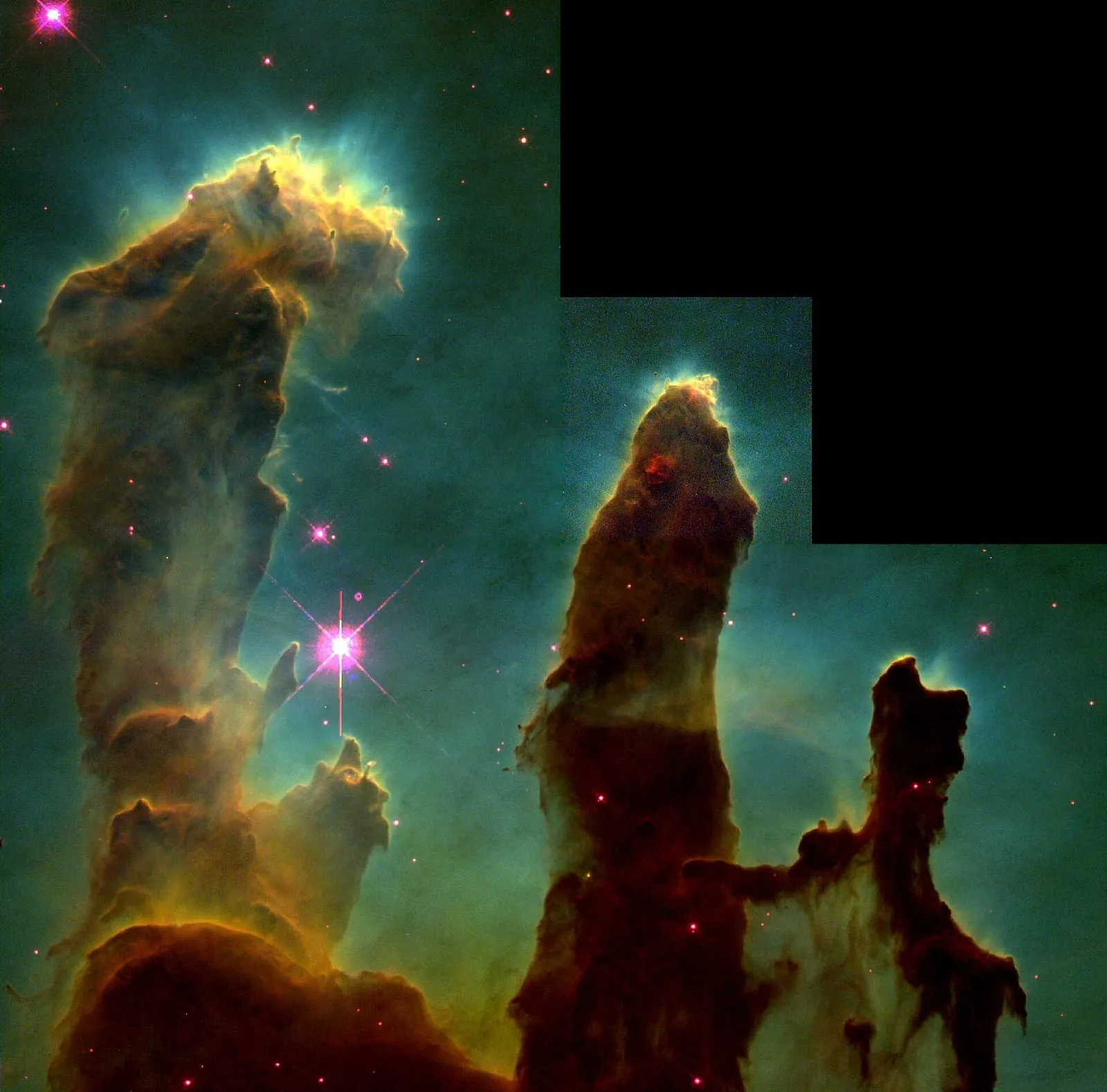
How are stars formed?
A simple explanation of how stars are born in molecular clouds, what a protostar is, and how nuclear fusion switches on.
Photo: Credit: NASA, Jeff Hester, and Paul Scowen (Arizona State University), Public domain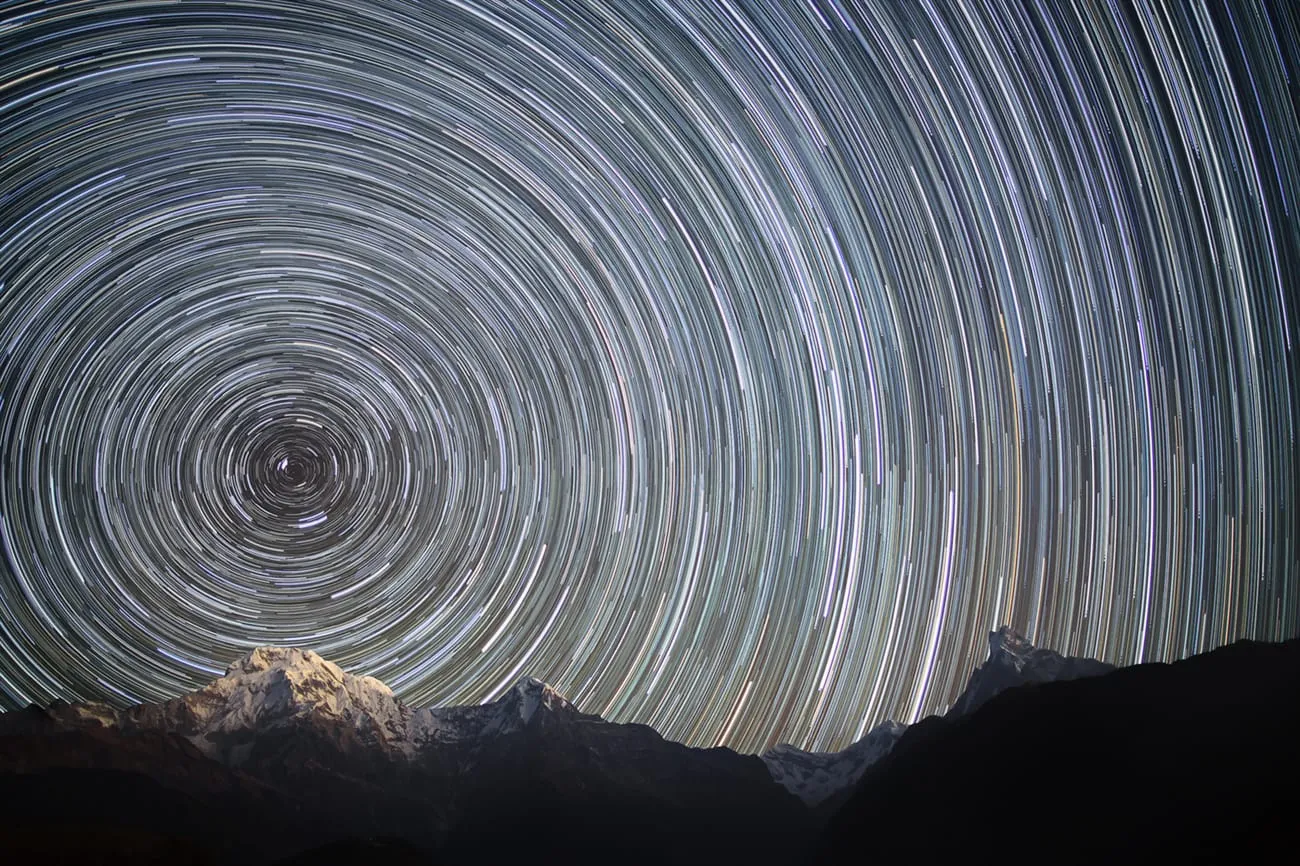
How do day and night happen?
How Earth's spin creates day and night, how long a day really lasts, and what Earth's tilt has to do with it, explained simply.
Photo: Anton Yankovyi, CC BY-SA 4.0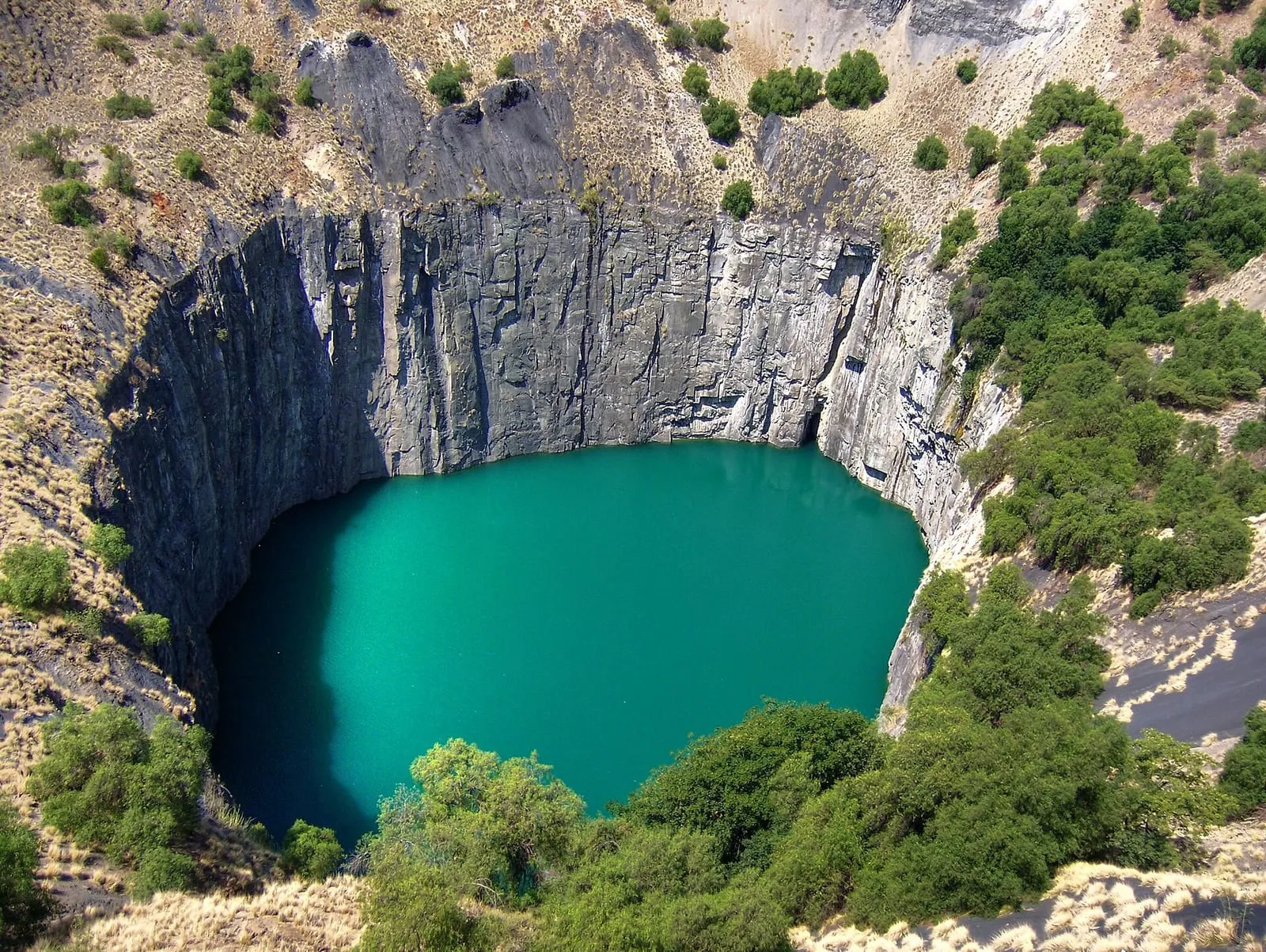
How do diamonds form?
A plain-English look at how diamonds form from carbon deep underground and how volcanic eruptions carry them up to the surface.
Photo: Irene2005, CC BY 2.0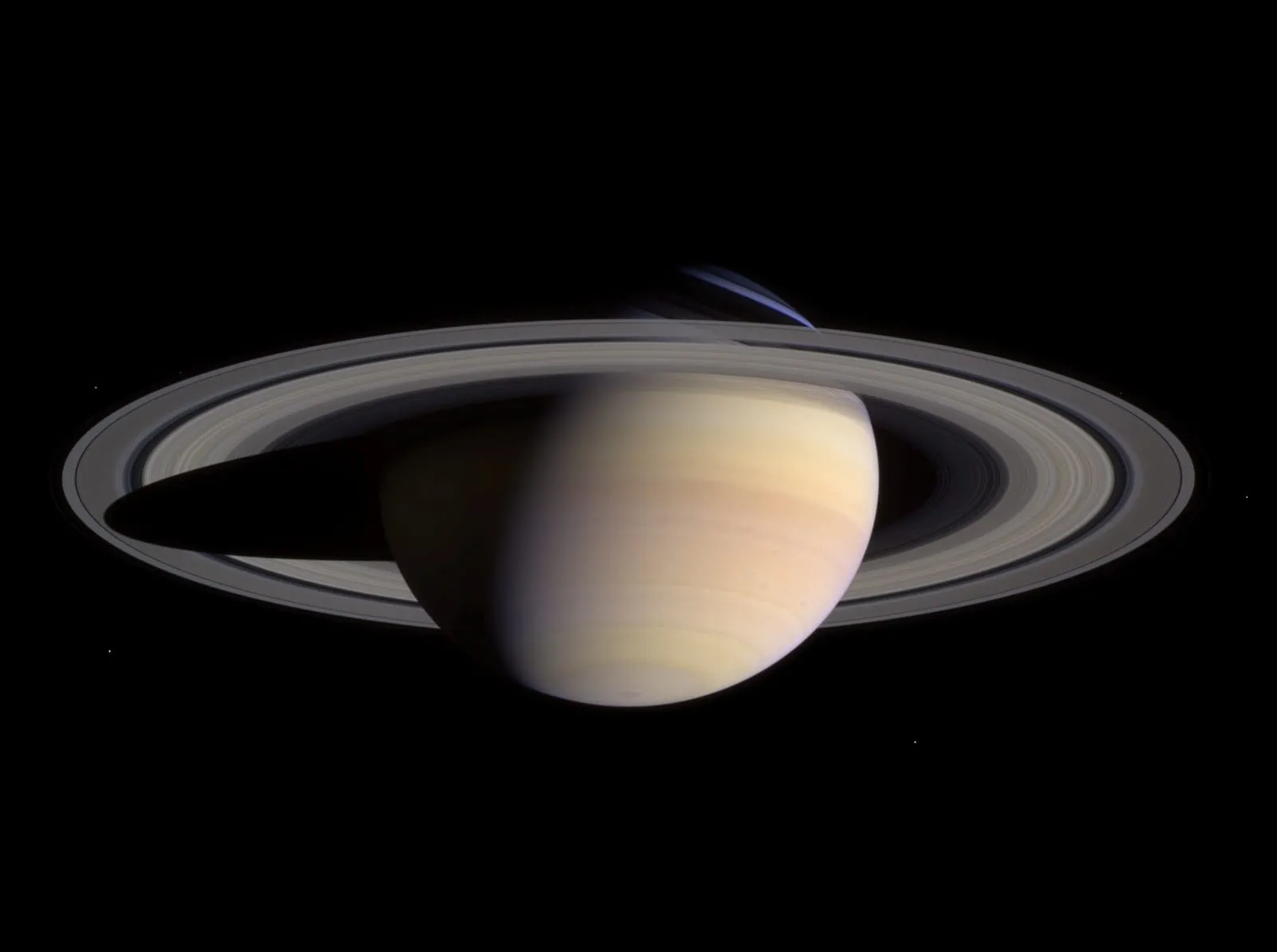
What are Saturn's rings made of?
How Saturn's rings of ice and rock fragments are made up, what they are called, where their gaps lie and how Cassini studied them, explained simply.
Photo: NASA / JPL / Space Science Institute, Public domain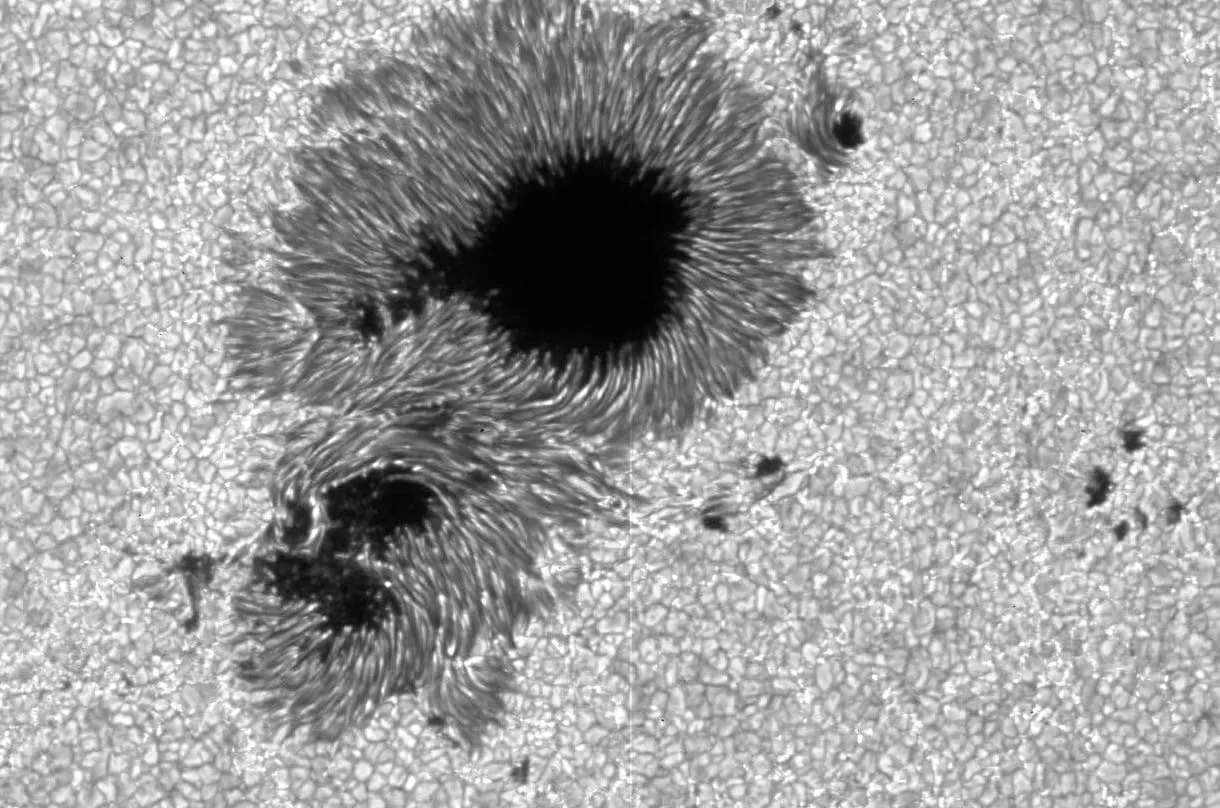
What are sunspots and why do they form?
How magnetic fields create sunspots, why they look dark, what they are made of and how the 11-year solar cycle works, explained simply.
Photo: NASA / JAXA, Public domain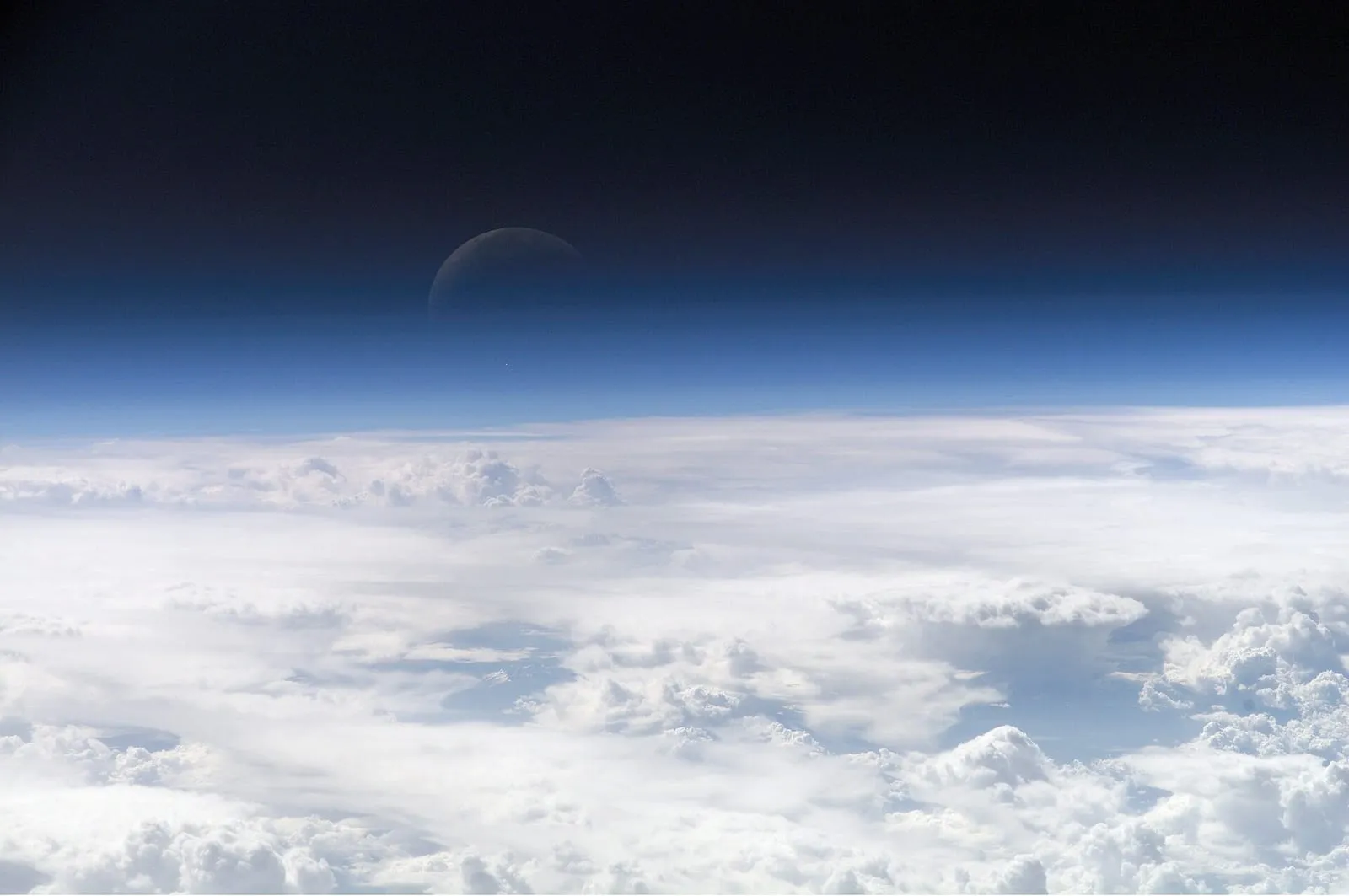
What are the layers of Earth's atmosphere?
A plain guide to the troposphere, stratosphere, mesosphere, thermosphere and exosphere, what makes each layer different, and where the atmosphere meets space.
Photo: NASA Earth Observatory, Public domain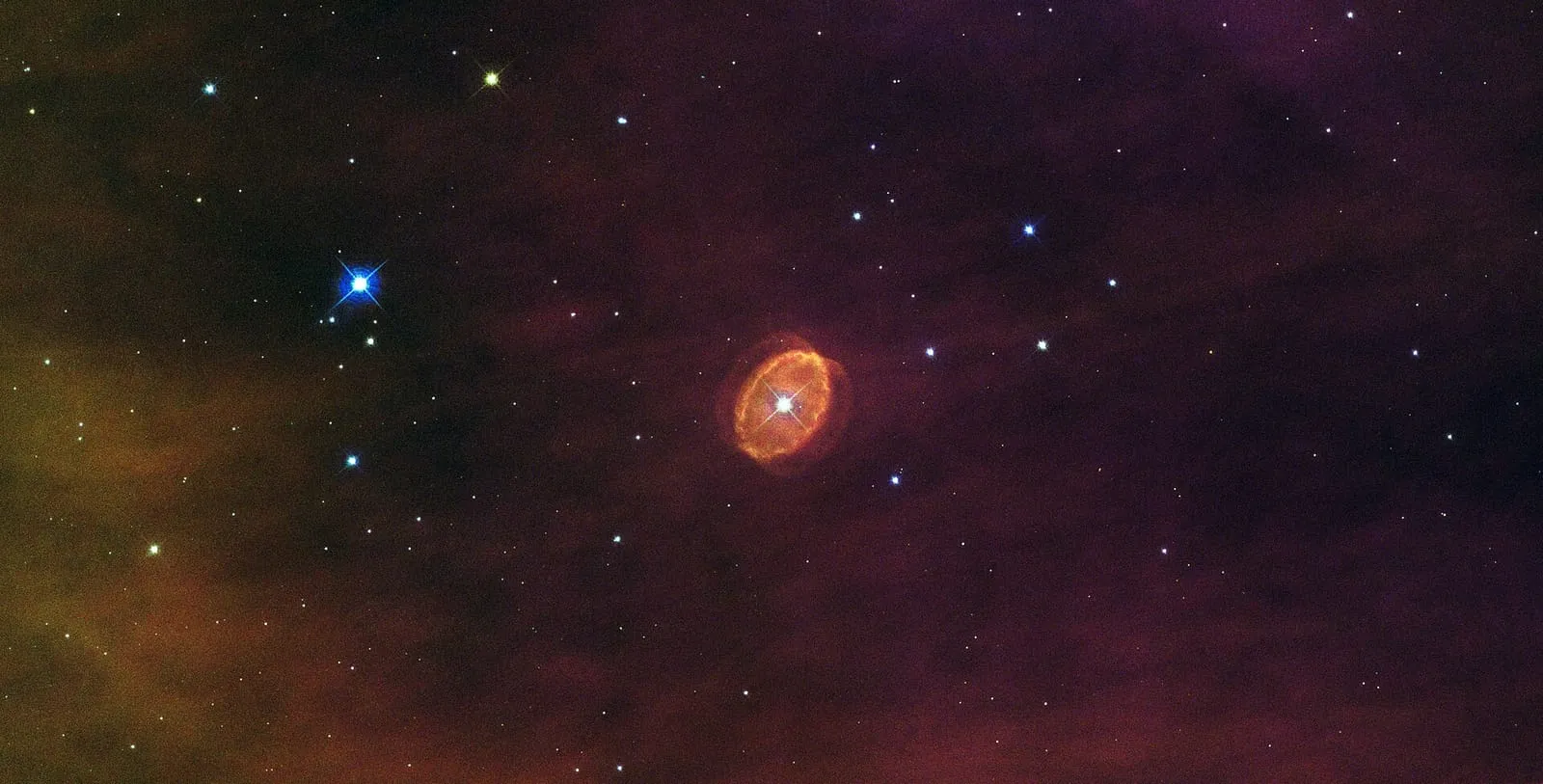
What is a supernova and how does it happen?
What a supernova is, how Type Ia and Type II explosions work, and what becomes of the star's core afterwards, explained simply.
Photo: ESA/Hubble, CC BY 4.0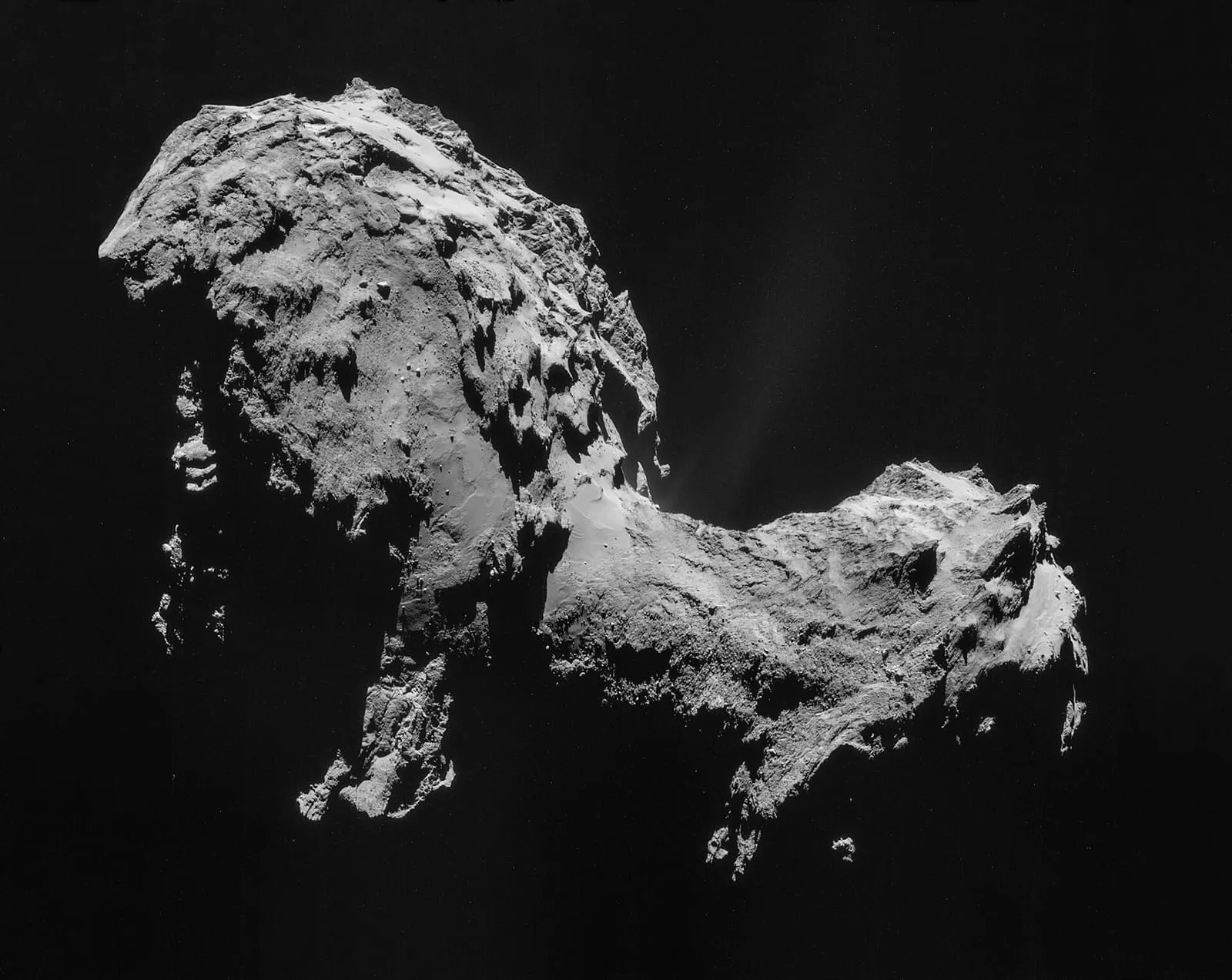
Why do comets have tails?
How a comet grows a coma and two separate tails as it nears the Sun, where comets come from, and how scientists have studied them.
Photo: ESA/Rosetta/NAVCAM – CC BY-SA IGO 3.0, CC BY-SA 3.0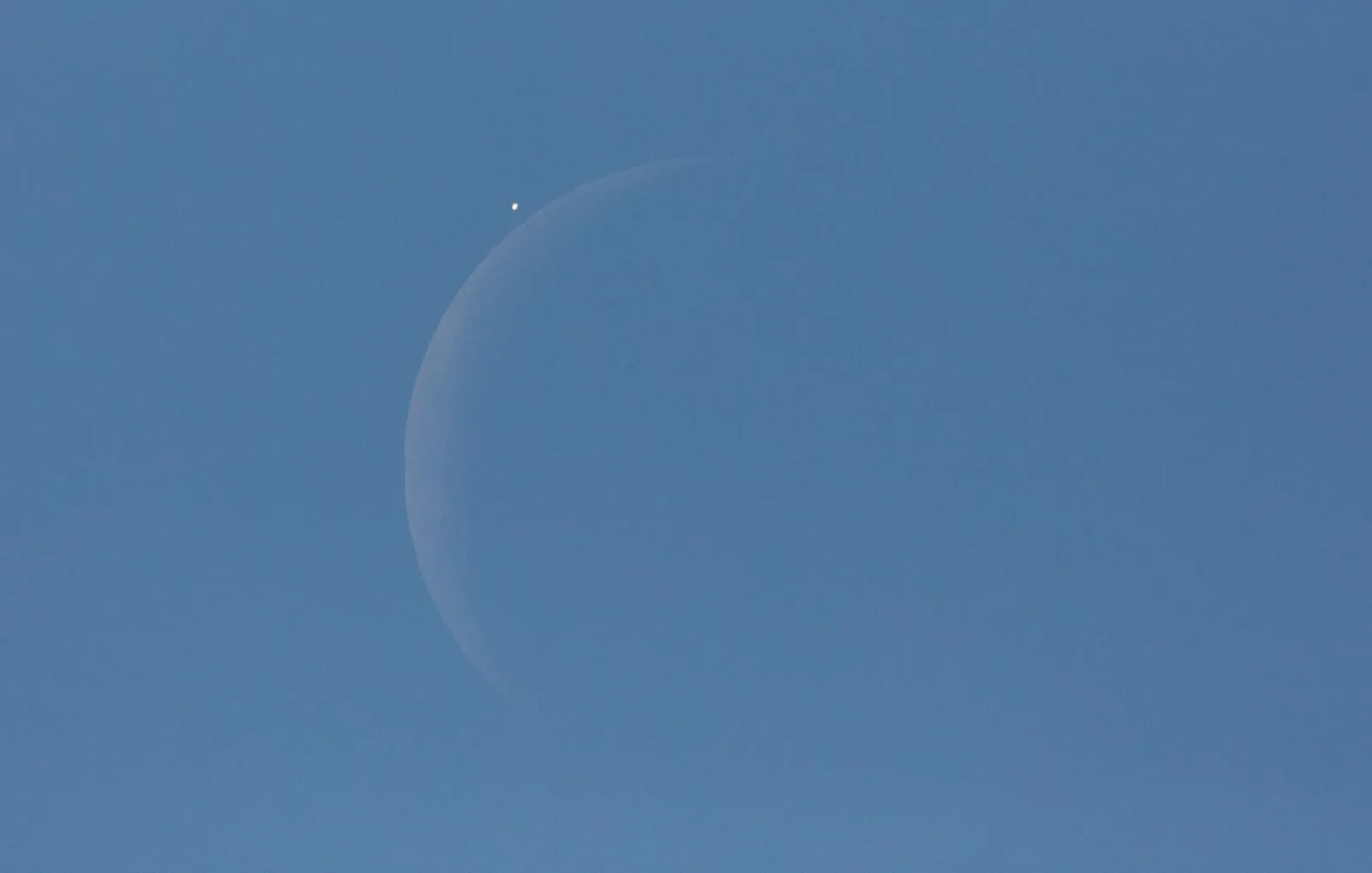
Why is Venus the hottest planet in the Solar System?
How Venus's thick atmosphere creates a runaway greenhouse effect that makes it the hottest place in the Solar System, and what days and seasons are like there.
Photo: Joel Kowsky, Public domain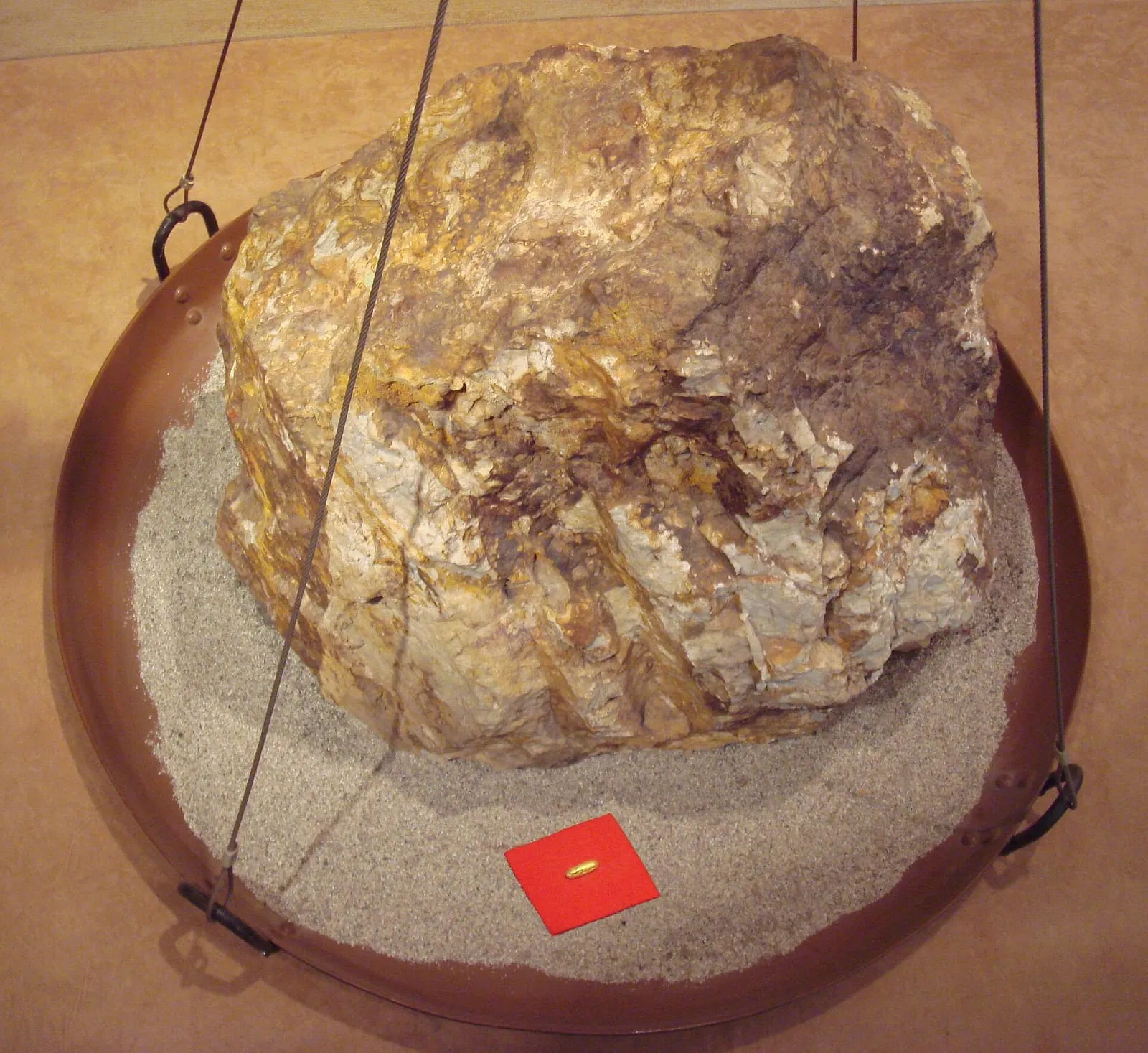
How does gold form?
A plain-language look at how gold builds up in veins and placer deposits in the crust, and where its atoms may have formed.
Photo: PHGCOM, CC BY-SA 3.0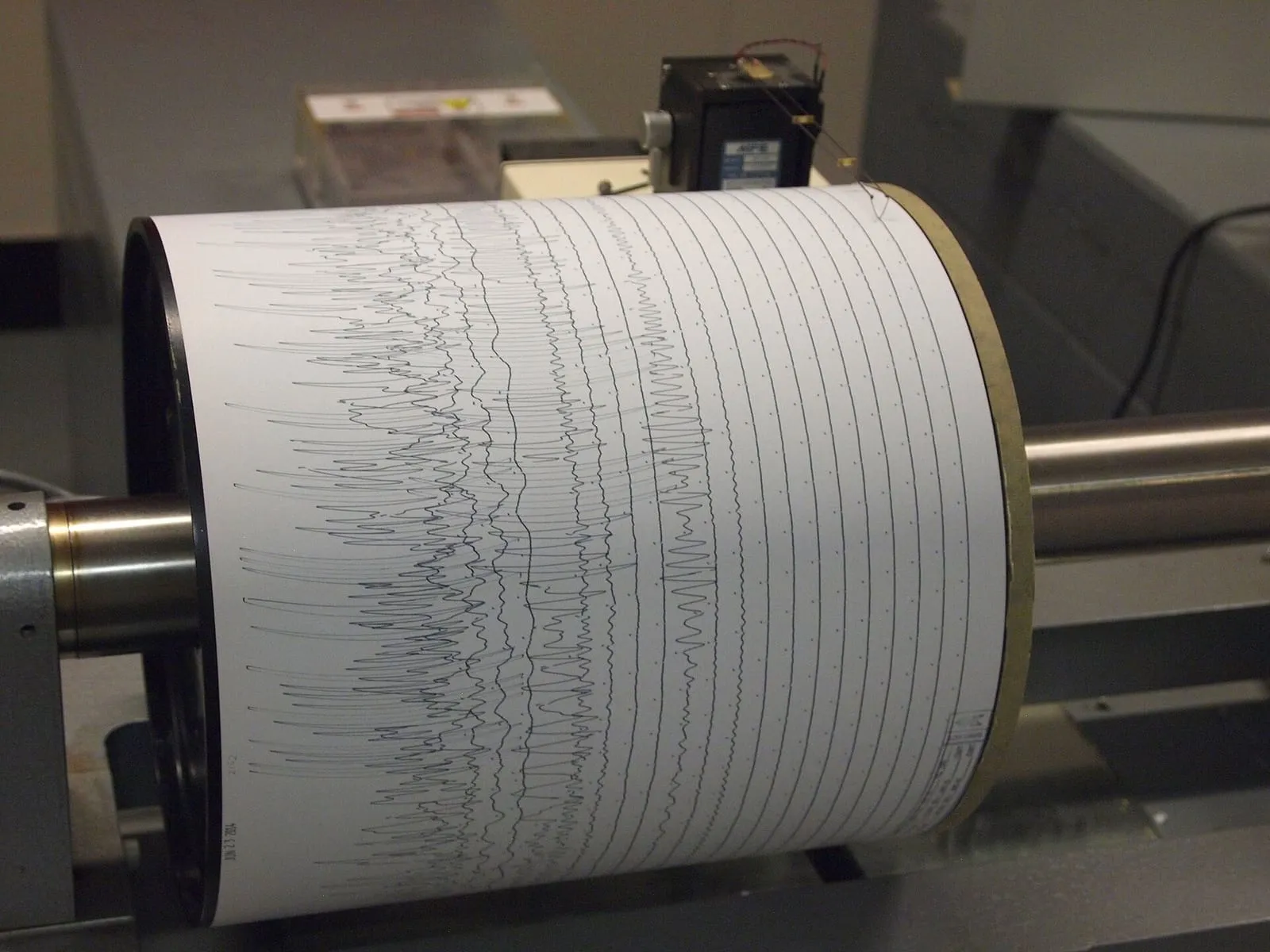
Can earthquakes be predicted in advance?
A plain explanation of why earthquakes cannot be predicted, how prediction differs from forecasting, and why so-called earthquake warning signs are unreliable.
Photo: Z22, CC BY-SA 3.0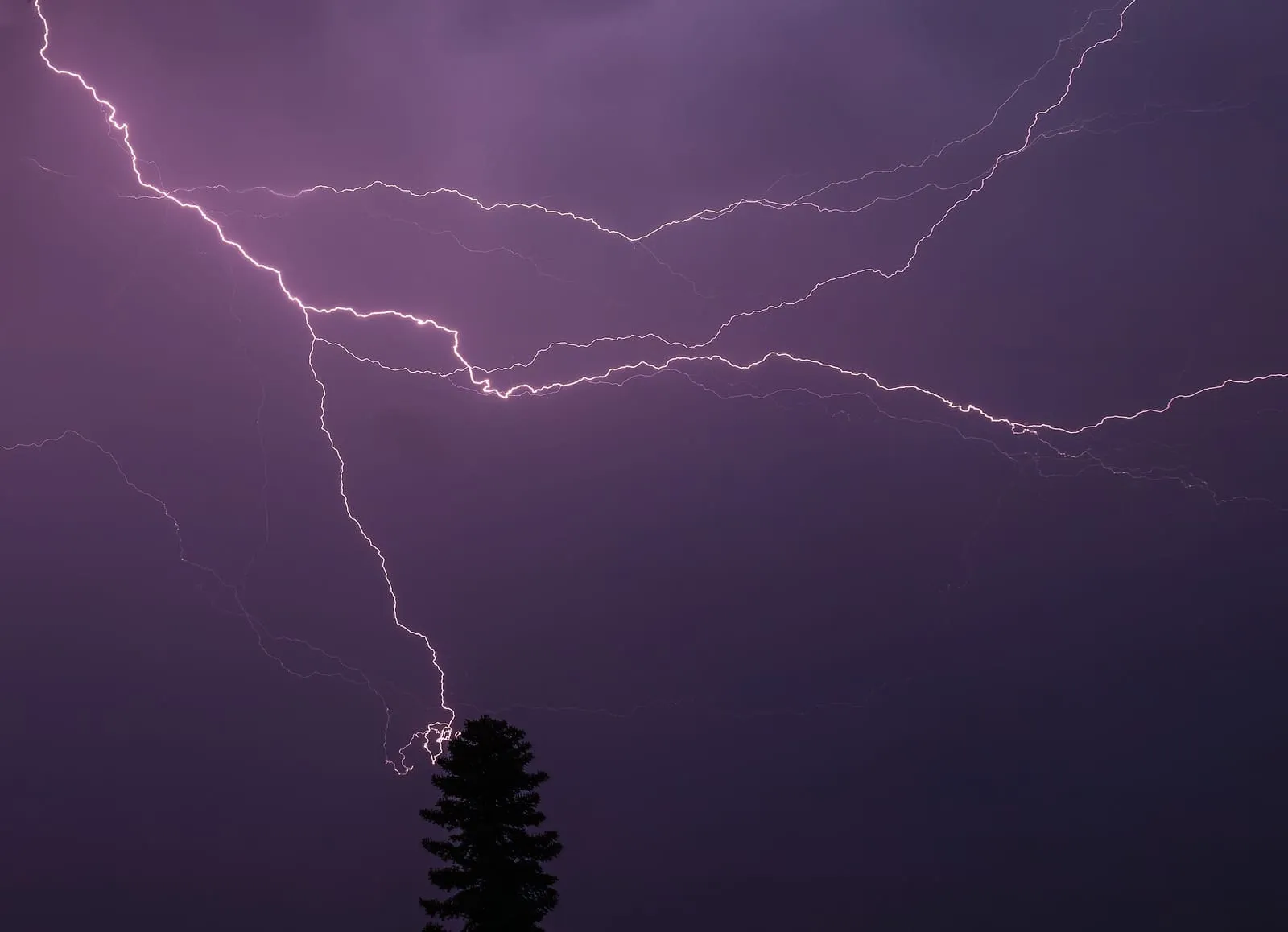
Does lightning never strike the same place twice?
A plain explanation of why lightning can strike the same spot again and again, what decides where it lands, and what a lightning flash really is.
Photo: Friedrich Haag, CC BY-SA 4.0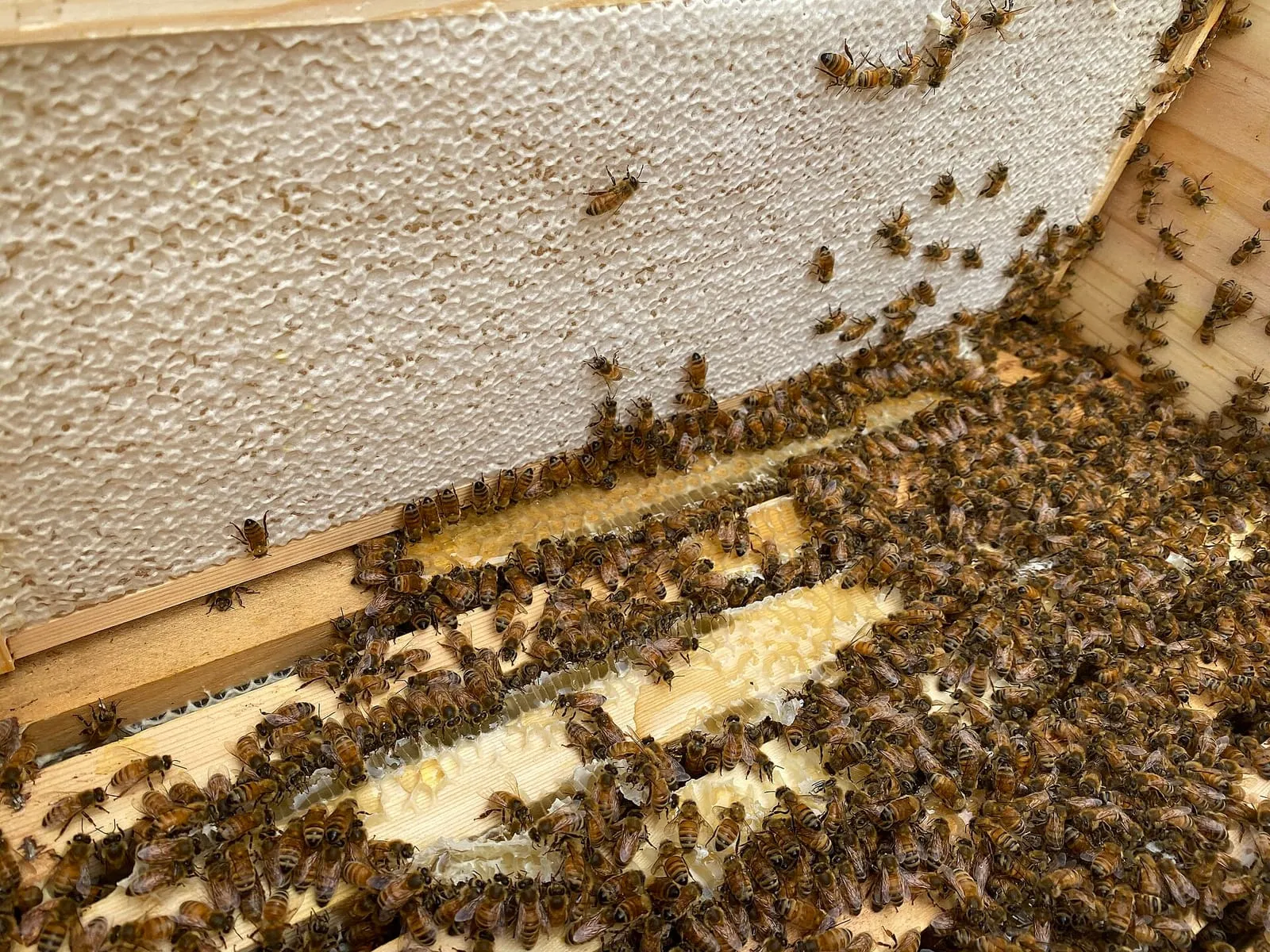
How do bees make honey?
A plain-language explanation of how bees turn nectar into honey with enzymes, evaporation and sealed wax cells.
Photo: Einebillion, CC BY 4.0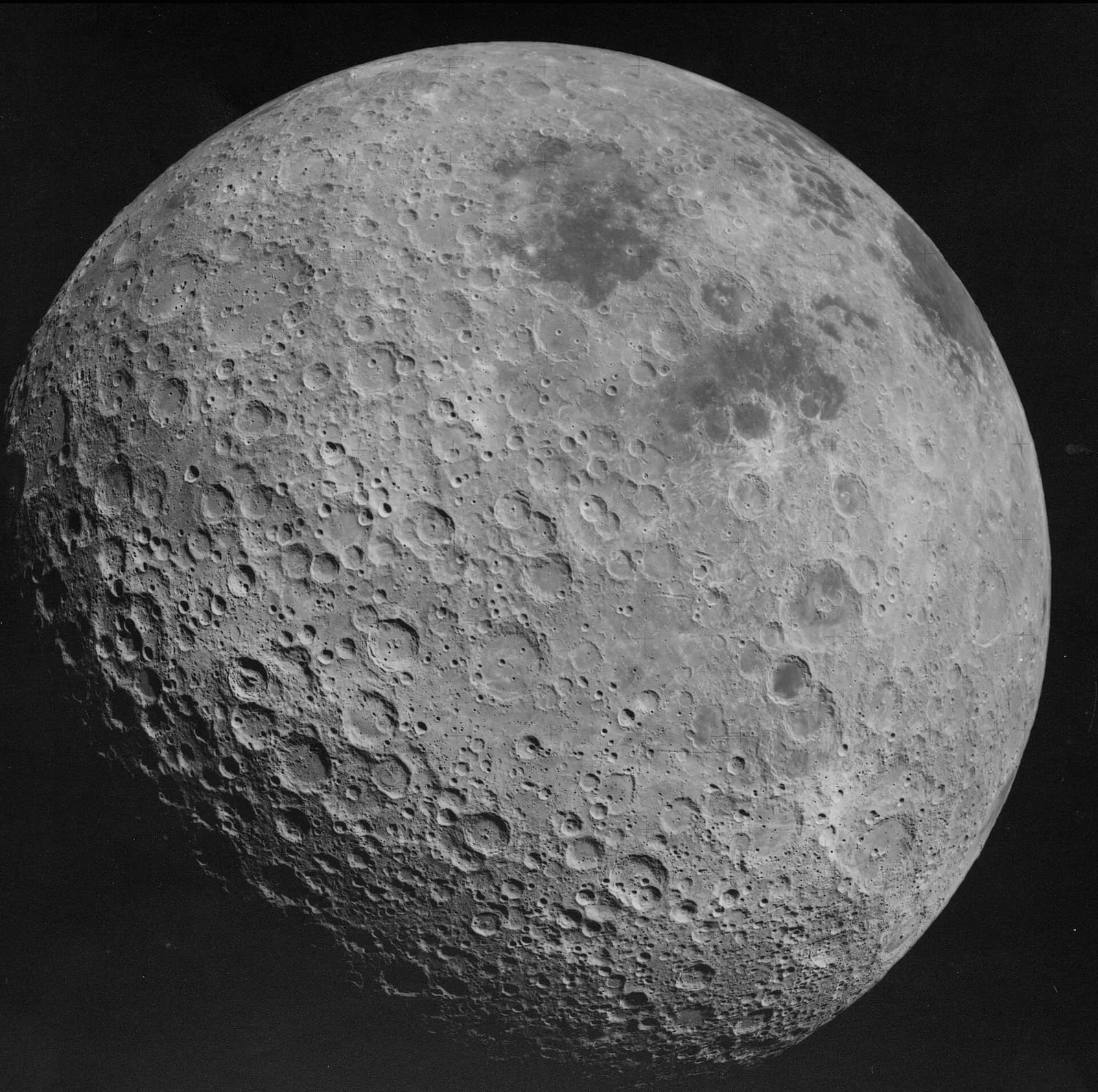
Is the dark side of the Moon really dark?
A plain explanation of why the far side of the Moon is not dark, why we always see the same face of it, and how the two faces differ.
Photo: Apollo 16 astronauts, Public domain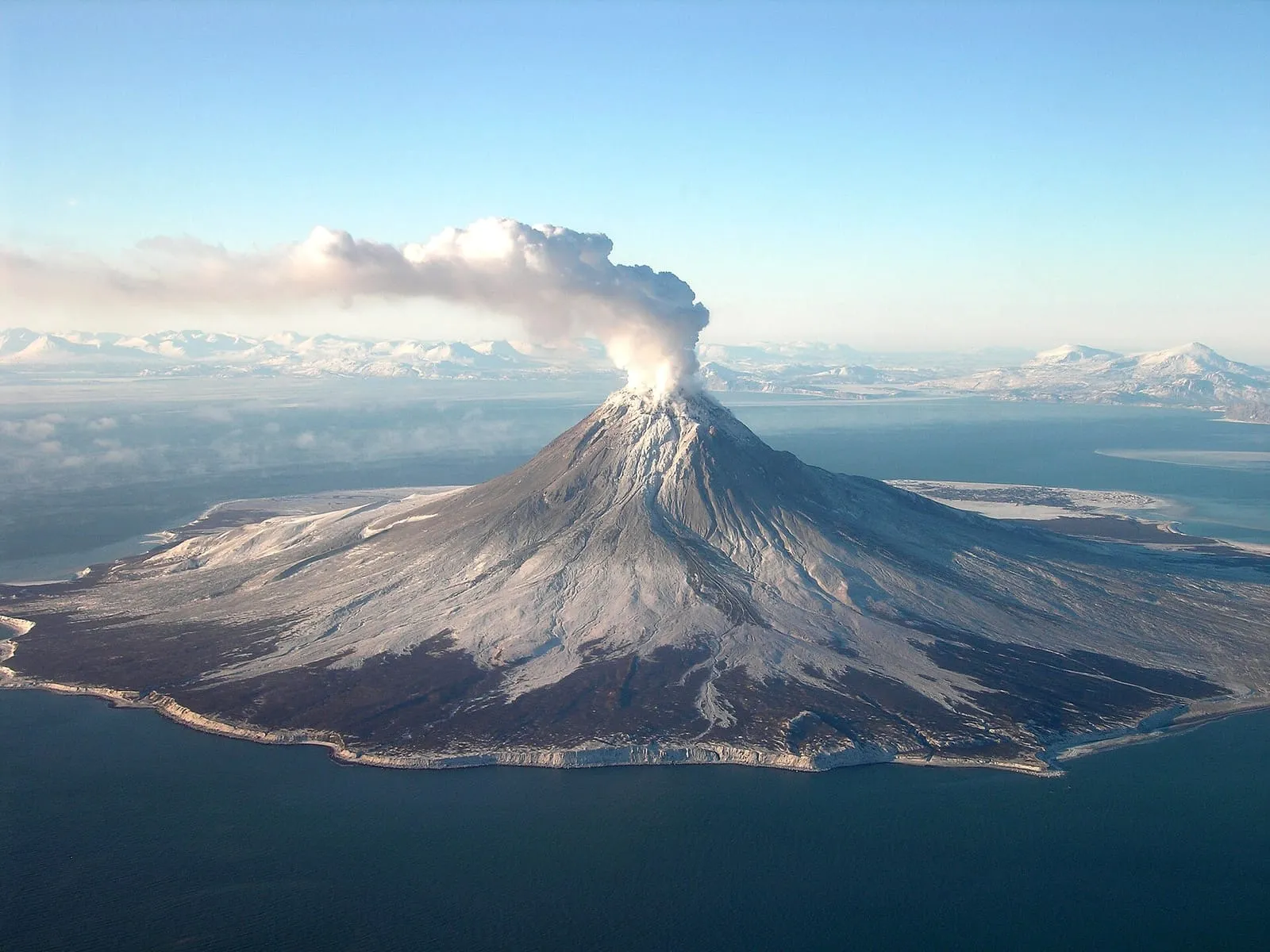
Why do volcanoes erupt?
A plain explanation of where volcanoes form, how magma reaches the surface, and how the runniness of magma and volcanic gases shape the way eruptions happen.
Photo: Cyrus Read, Public domain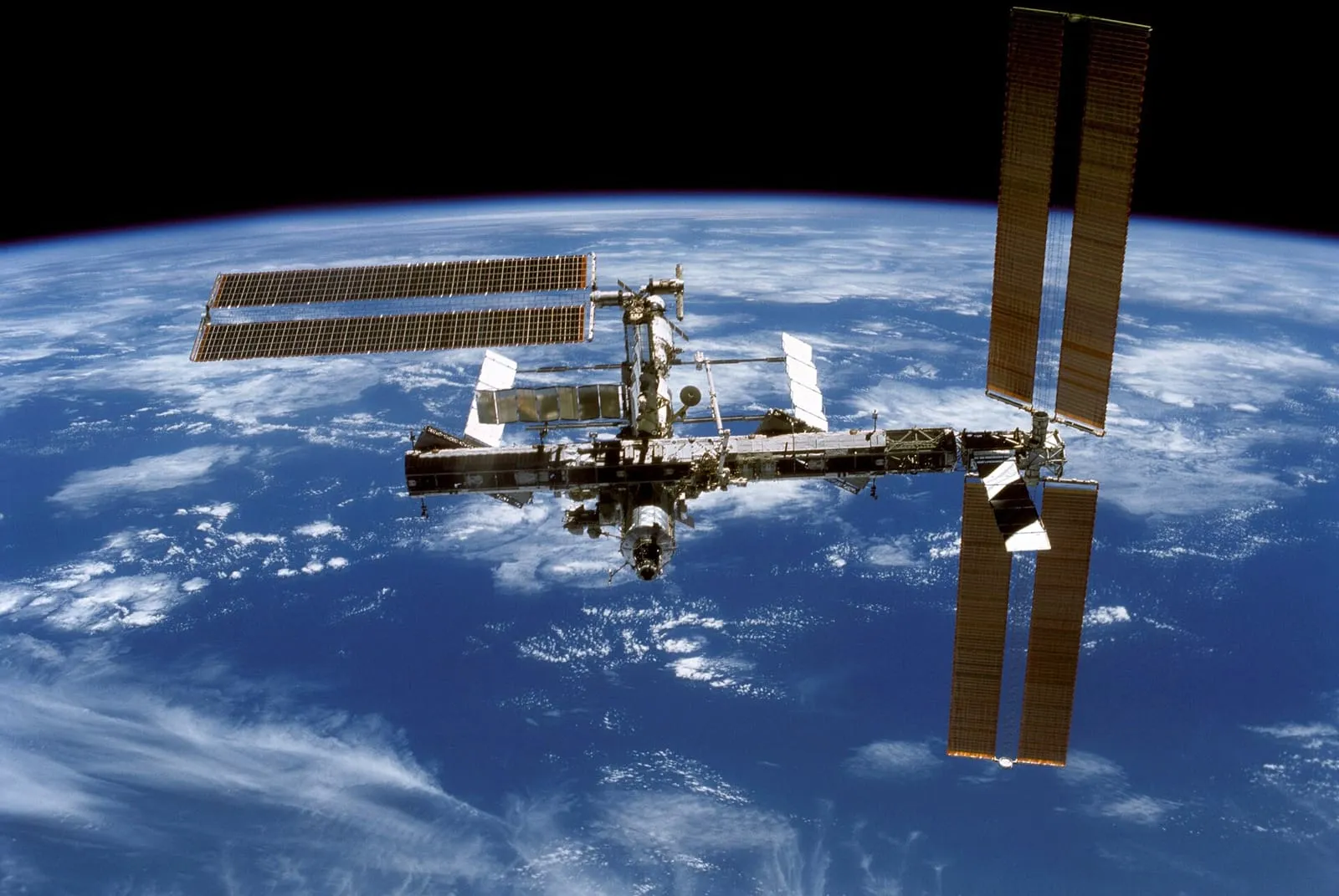
Why does time pass differently in space?
A plain explanation of how speed and gravity affect clocks, the time difference on GPS satellites, and how time slows near a black hole.
Photo: NASA, Public domain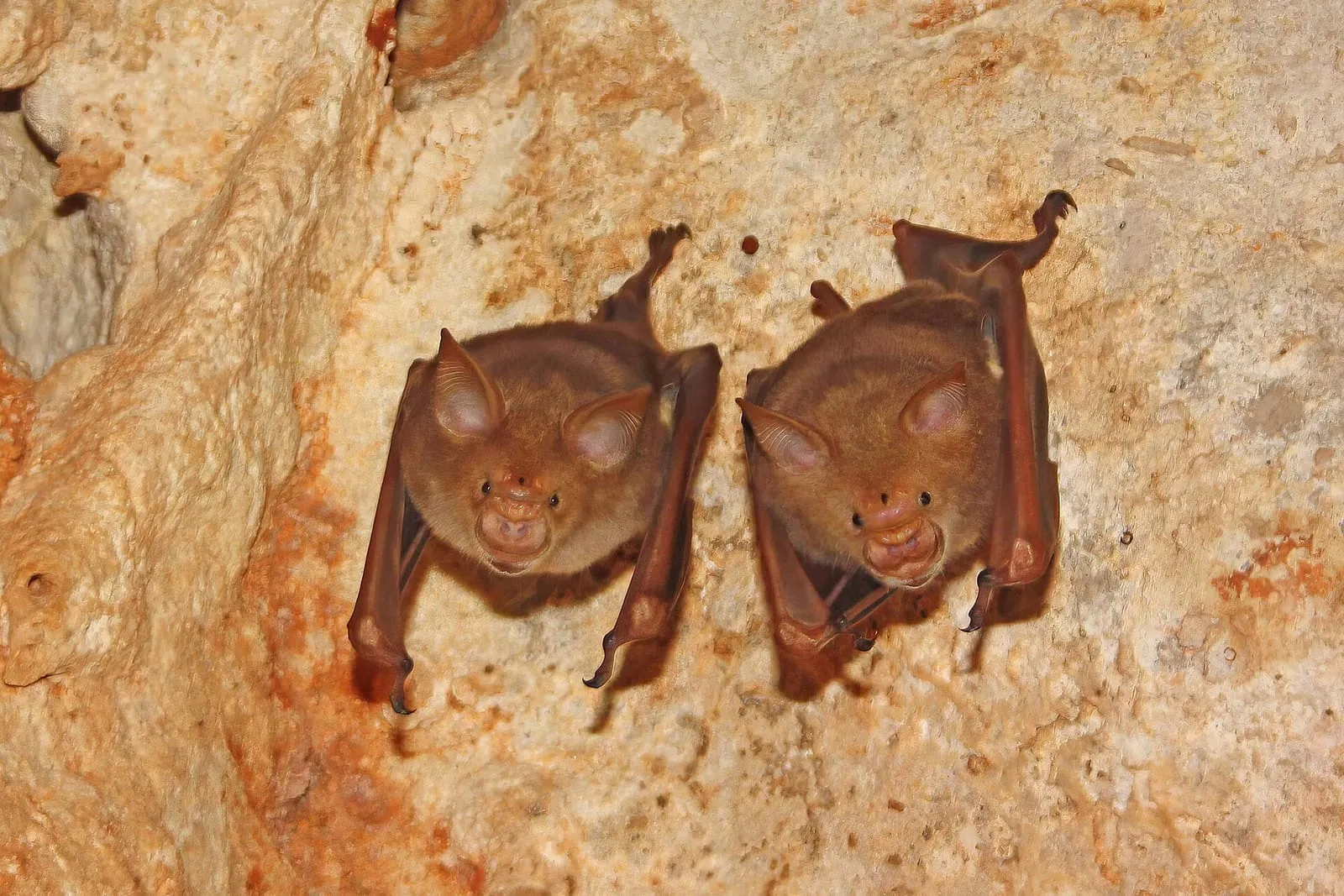
Are bats blind?
A plain explanation that bats are not blind, how their eyes work in dim light, and how they use echolocation and sight together.
Photo: Charles J. Sharp, CC BY-SA 3.0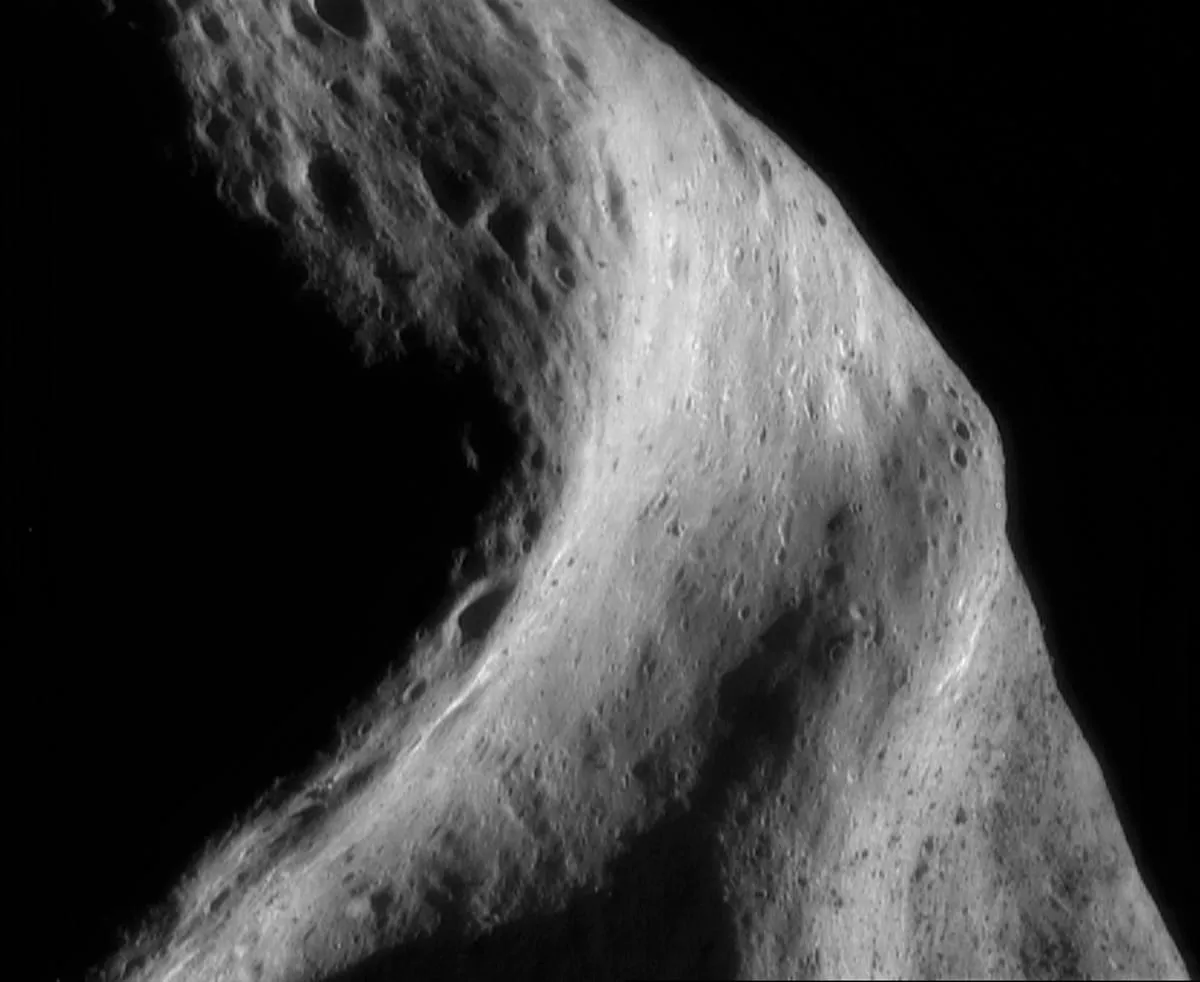
Asteroid, meteorite or comet: what is the difference?
Asteroids are rocky and comets are icy; a meteor is a meteoroid burning up in the air, and a piece that lands is a meteorite.
Photo: NEAR Shoemaker, Public domain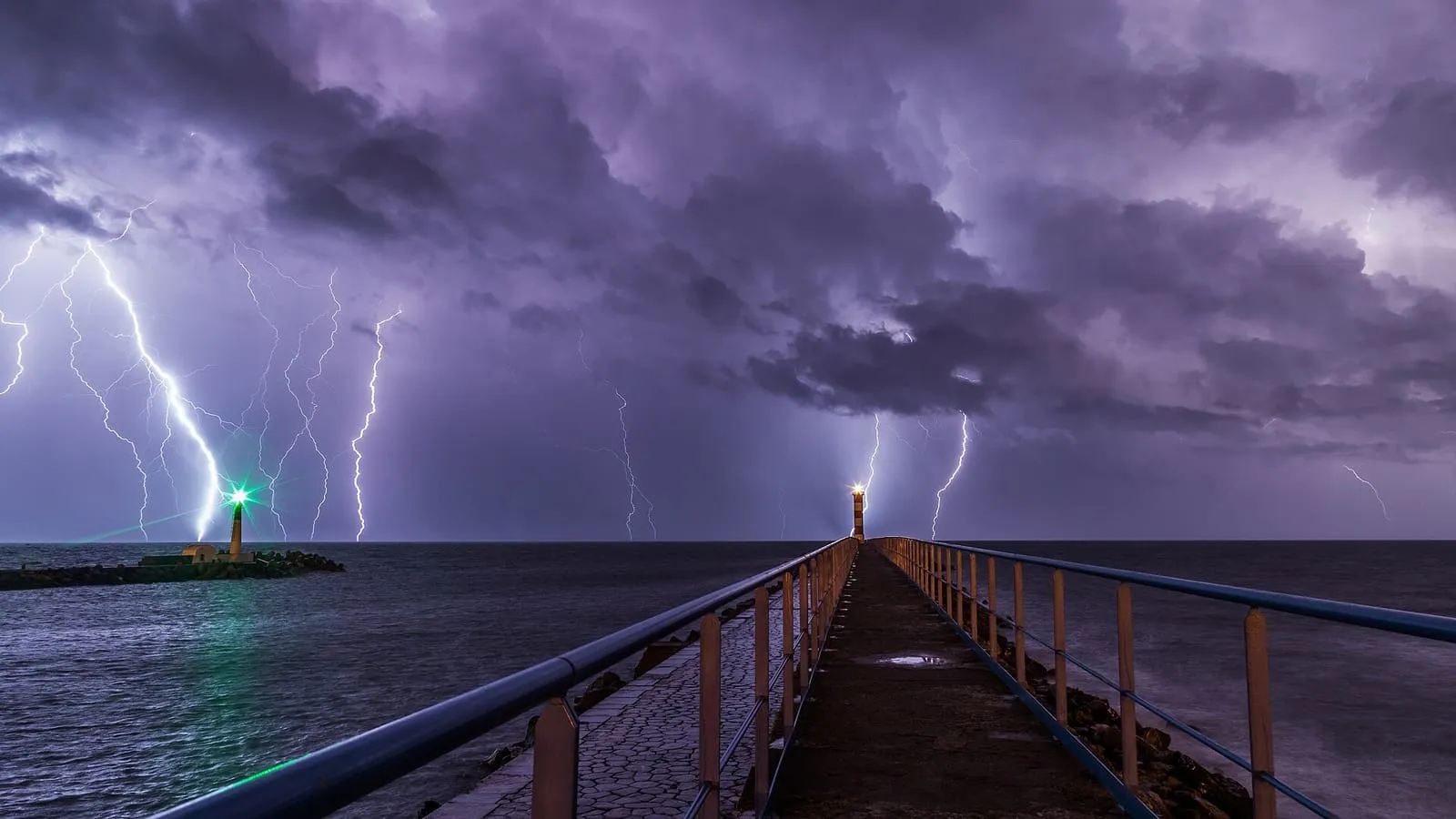
How do lightning and thunder form?
Lightning occurs when the difference between opposite electric charges built up in a storm cloud becomes so large that the air's insulation breaks down and the charge discharges.
Photo: Maxime Raynal from France, CC BY 2.0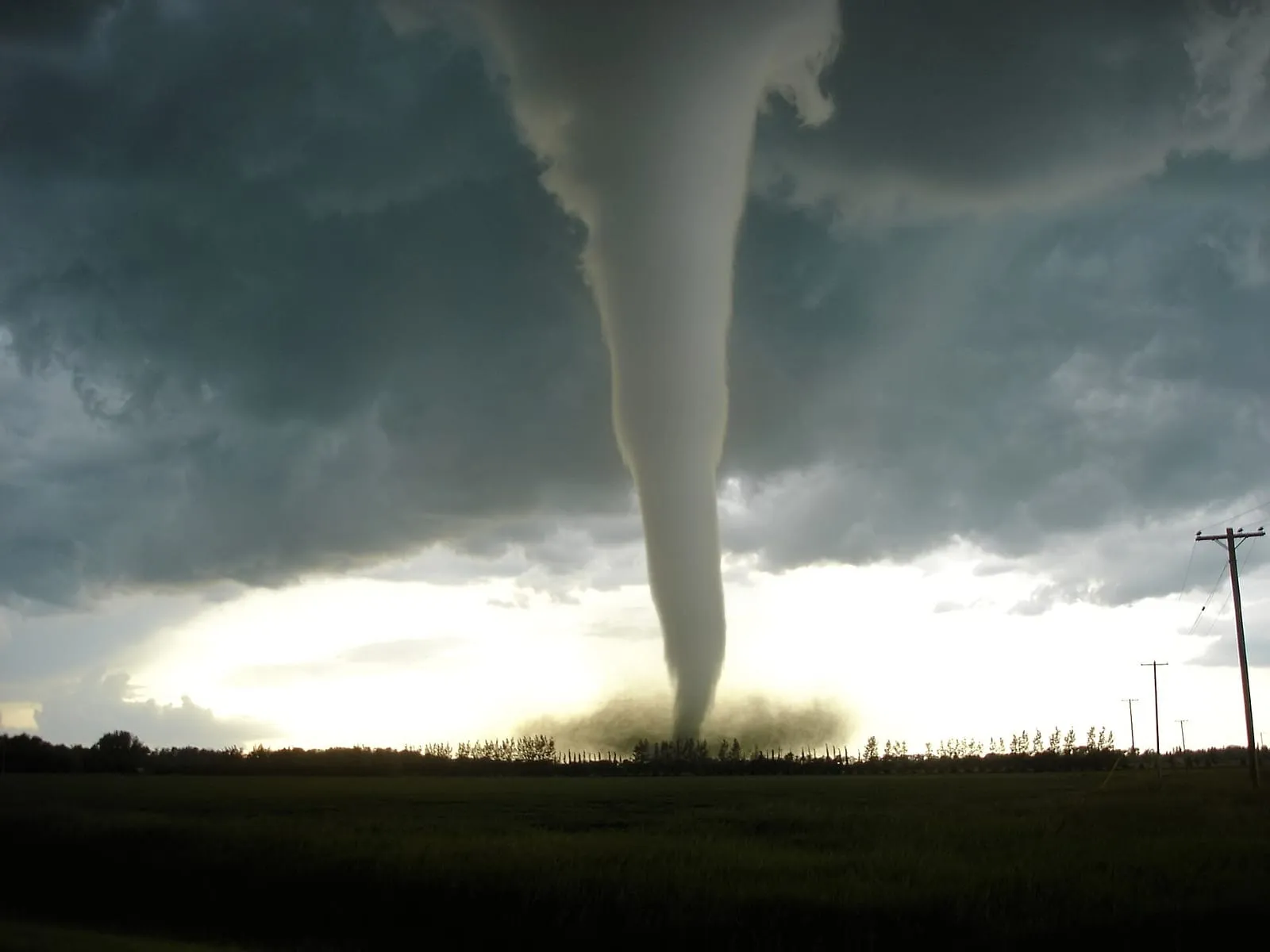
How does a tornado form?
A plain-language account of how tornadoes arise from the energy in thunderstorms, wind shear and supercells, and which points are still being researched.
Photo: Justin1569 at English Wikipedia, CC BY-SA 3.0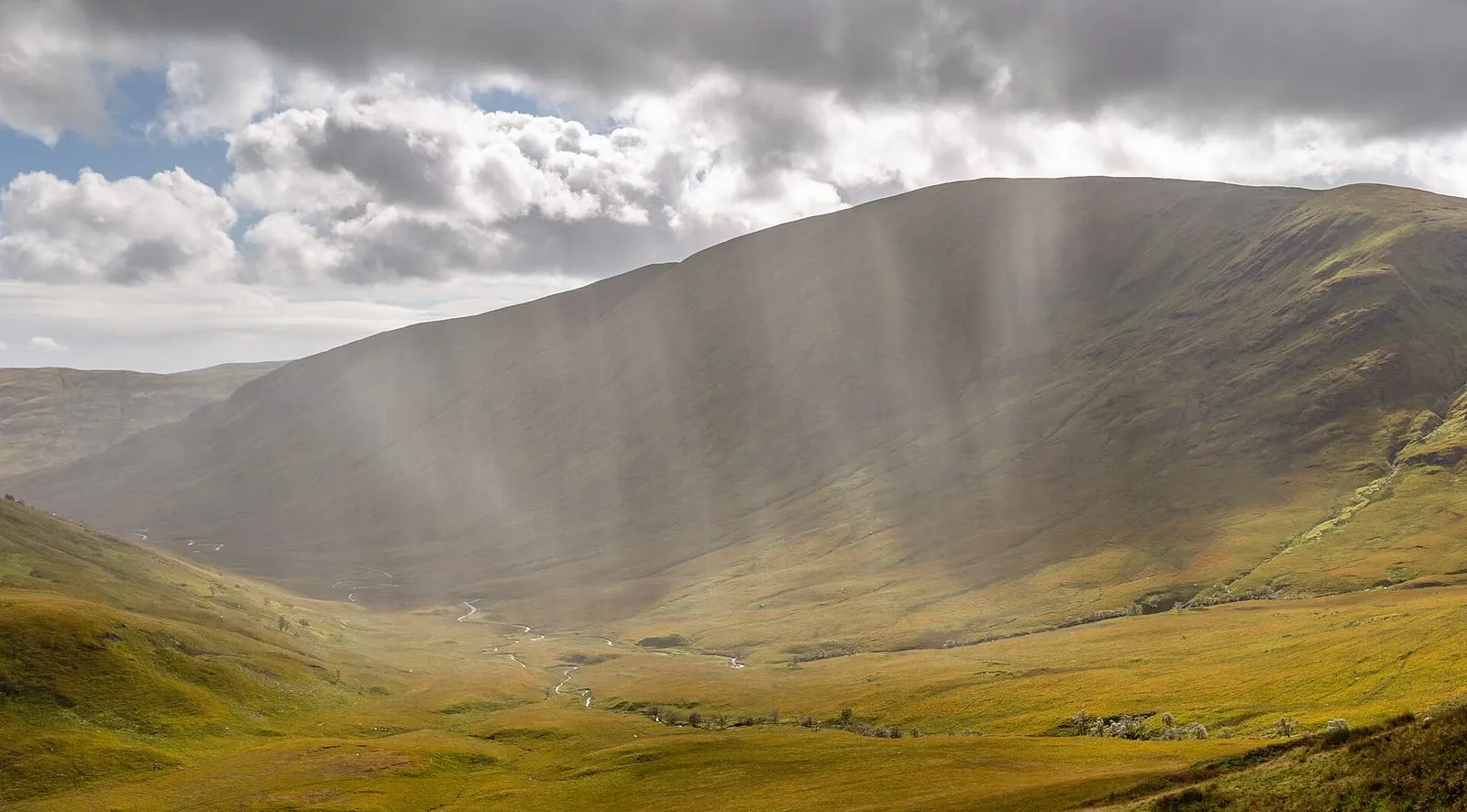
How does rain form?
A plain explanation of how cloud droplets grow and fall as rain, the part played by ice crystals and collisions, and the shape of a raindrop.
Photo: Michal Klajban, CC BY-SA 4.0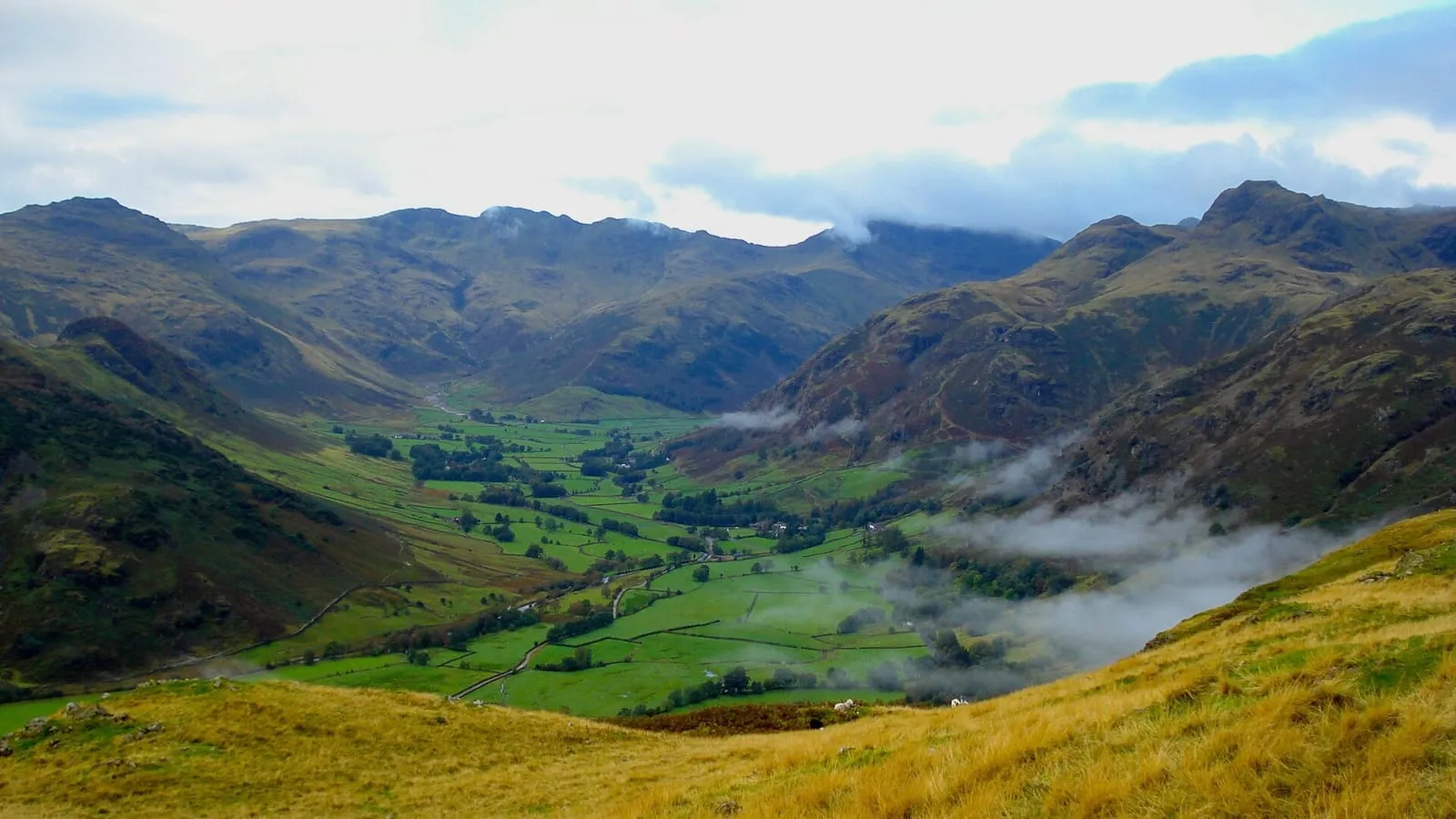
How does the water cycle work?
The water cycle is the movement of water, driven by the Sun's energy and gravity, between the ocean, land, underground and the atmosphere, changing state as it goes.
Photo: Peer Lawther from Leeds, United Kingdom, CC BY 2.0What are global warming and the greenhouse effect?
A plain-language account of how the greenhouse effect works, the main greenhouse gases and the measurements showing the warming does not come from the Sun.
Photo: NASA Earth Observatory, Public domain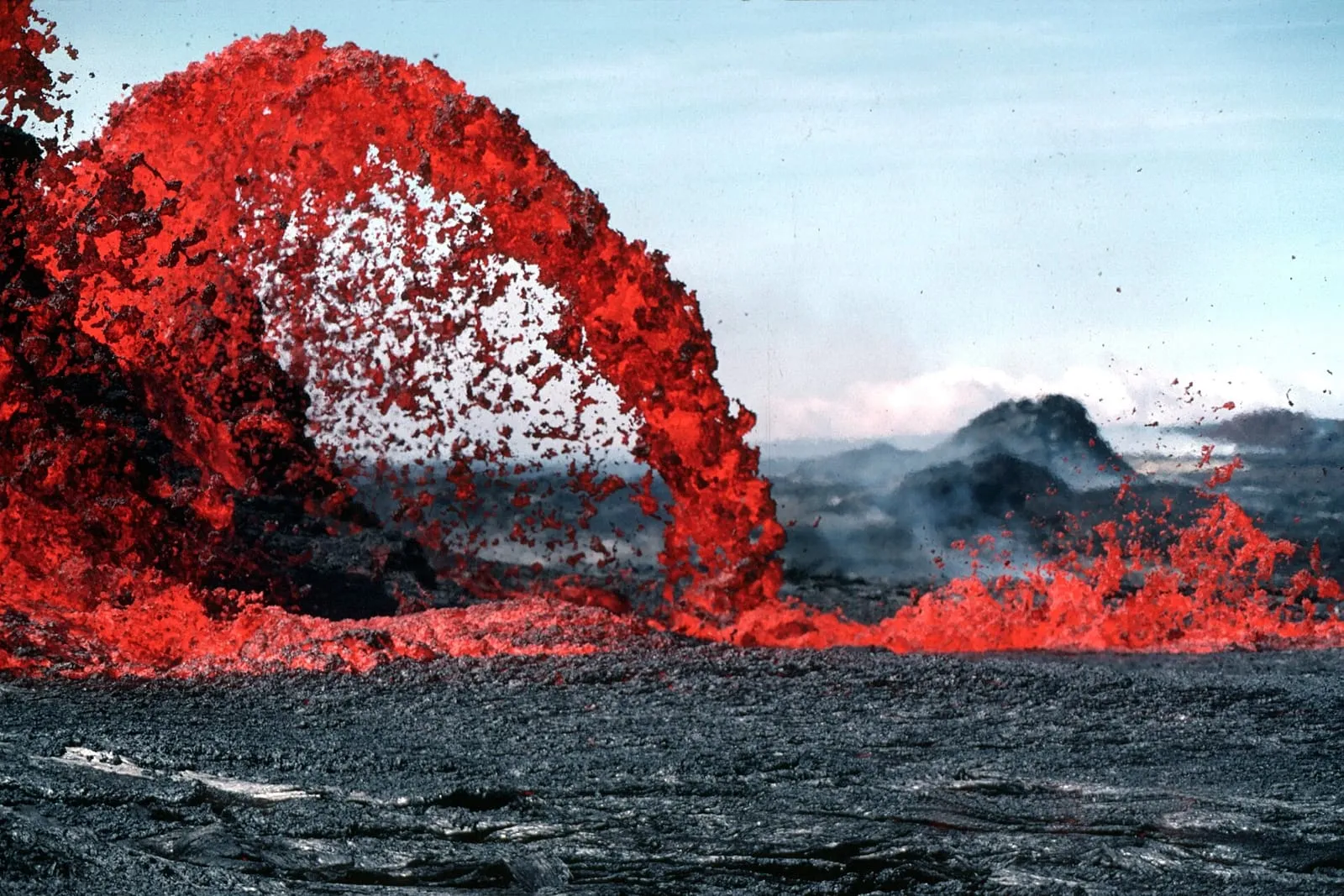
What are the layers of the Earth?
Earth has three main layers: the crust, the mantle and the core, and the core divides into a liquid outer core and a solid inner core.
Photo: Jim D. Griggs, HVO (USGS) staff photographer, Public domain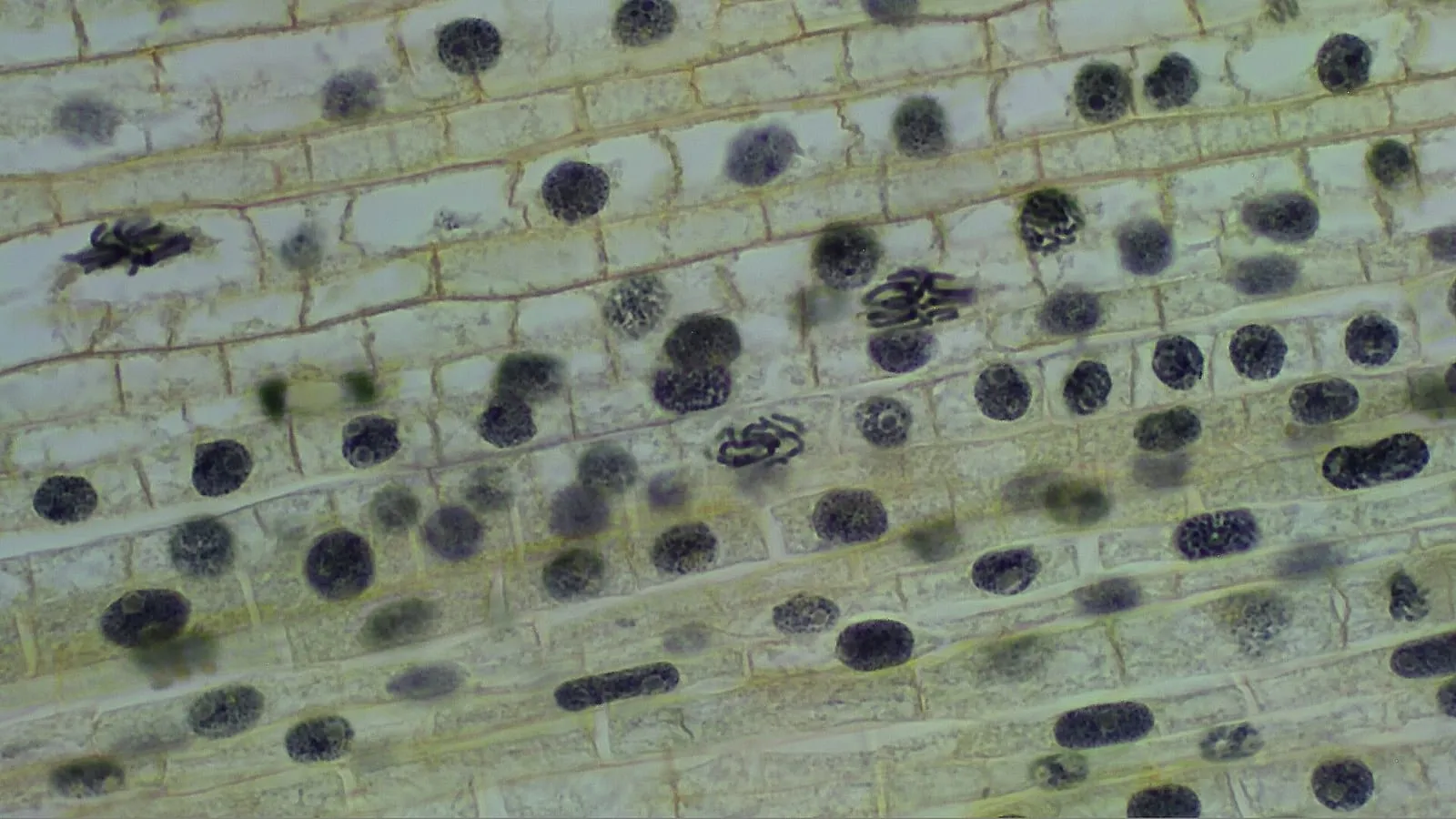
What is a cell and how does it work?
A plain-language account of what a cell is, the split between eukaryotes and prokaryotes, and what parts such as the nucleus, mitochondria and ribosomes do.
Photo: Bobjgalindo, CC BY-SA 4.0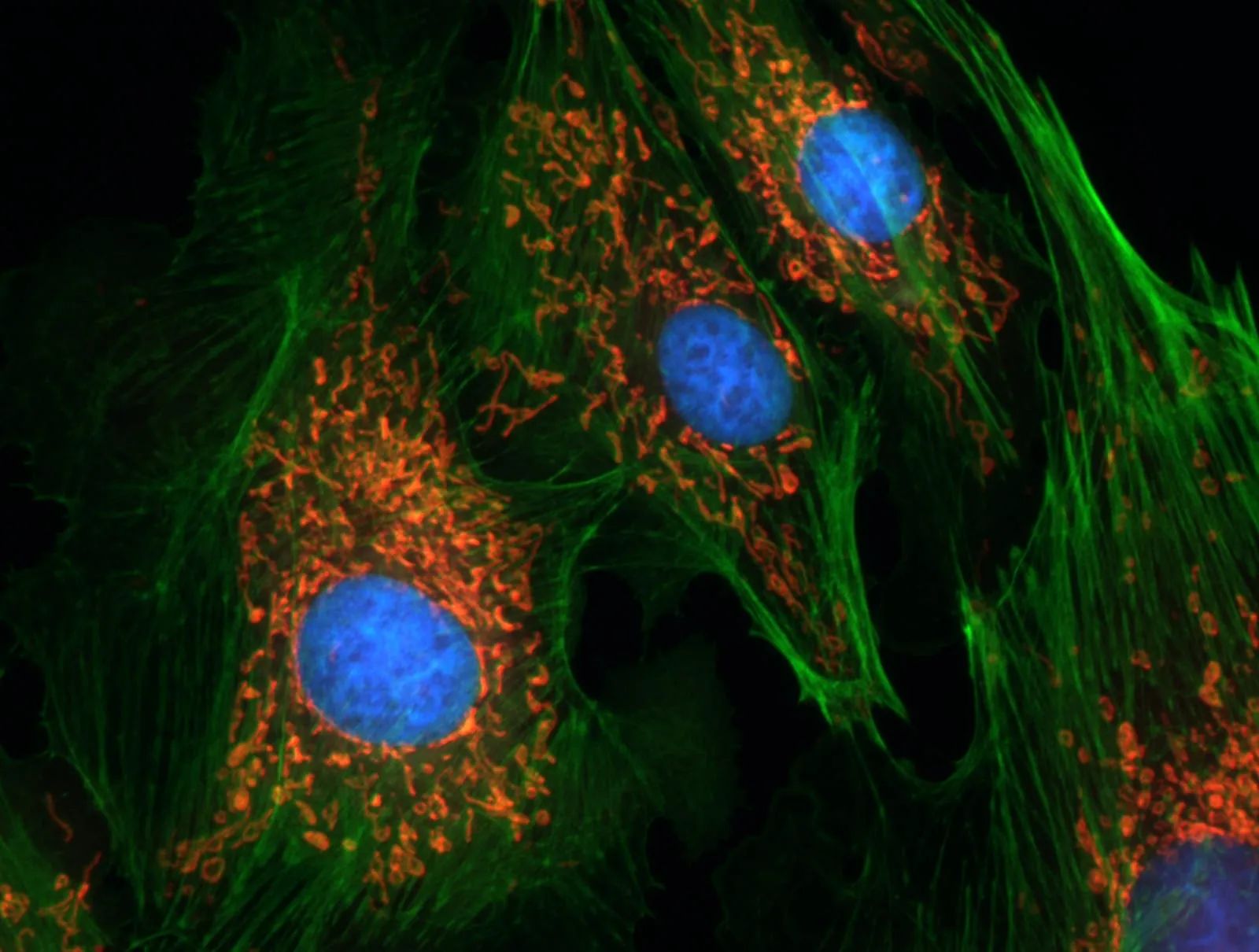
What is a mitochondrion and what does it do?
A plain-language account of the mitochondrion's role in energy production in the cell, its structure, its own DNA and ideas about where it came from.
Photo: Erin Rod, CC BY 4.0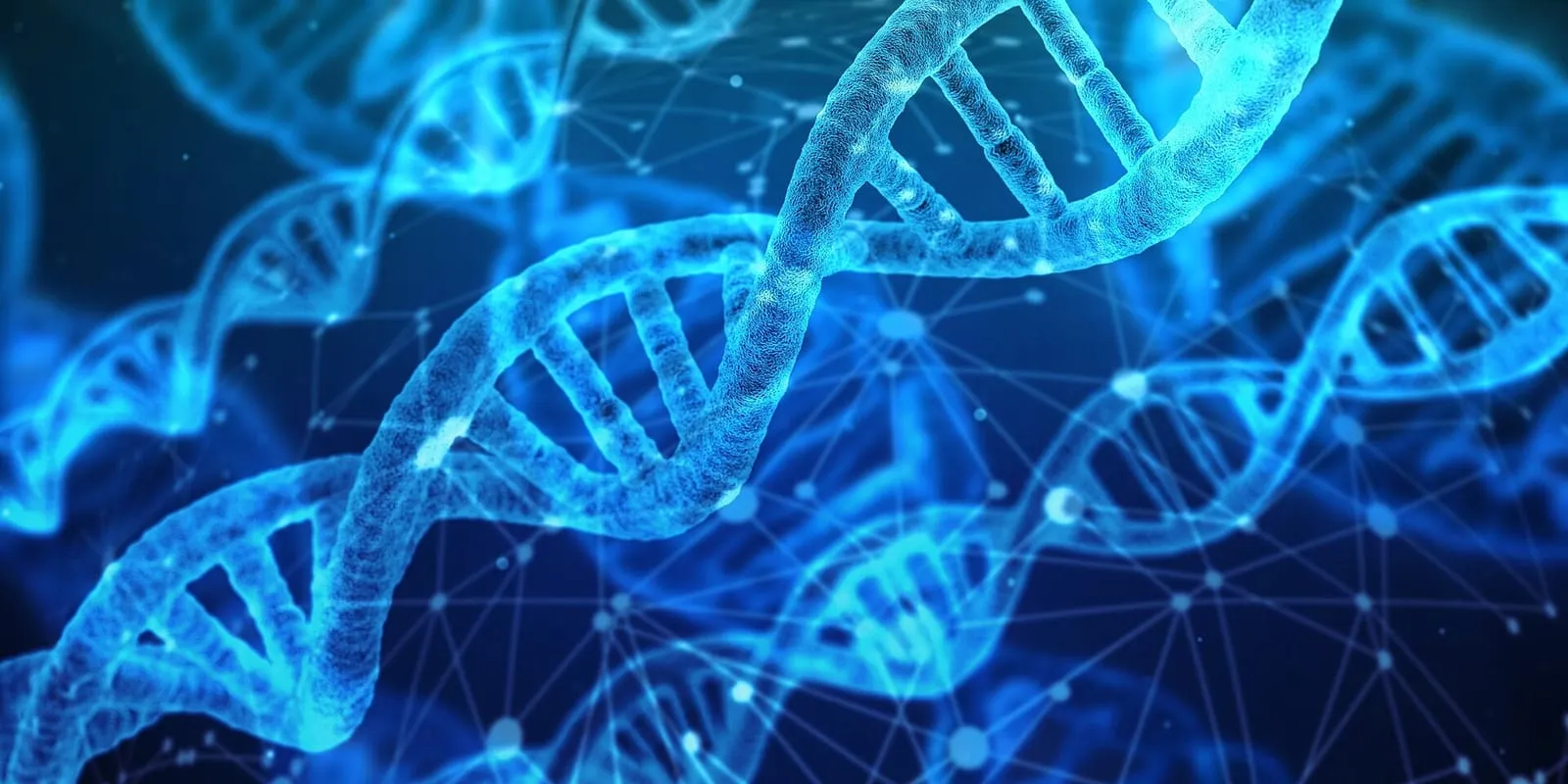
What is DNA and how does it work?
A plain-language explanation of what DNA is made of, how it is packed in the cell and how its instructions are turned into proteins.
Photo: geralt, CC0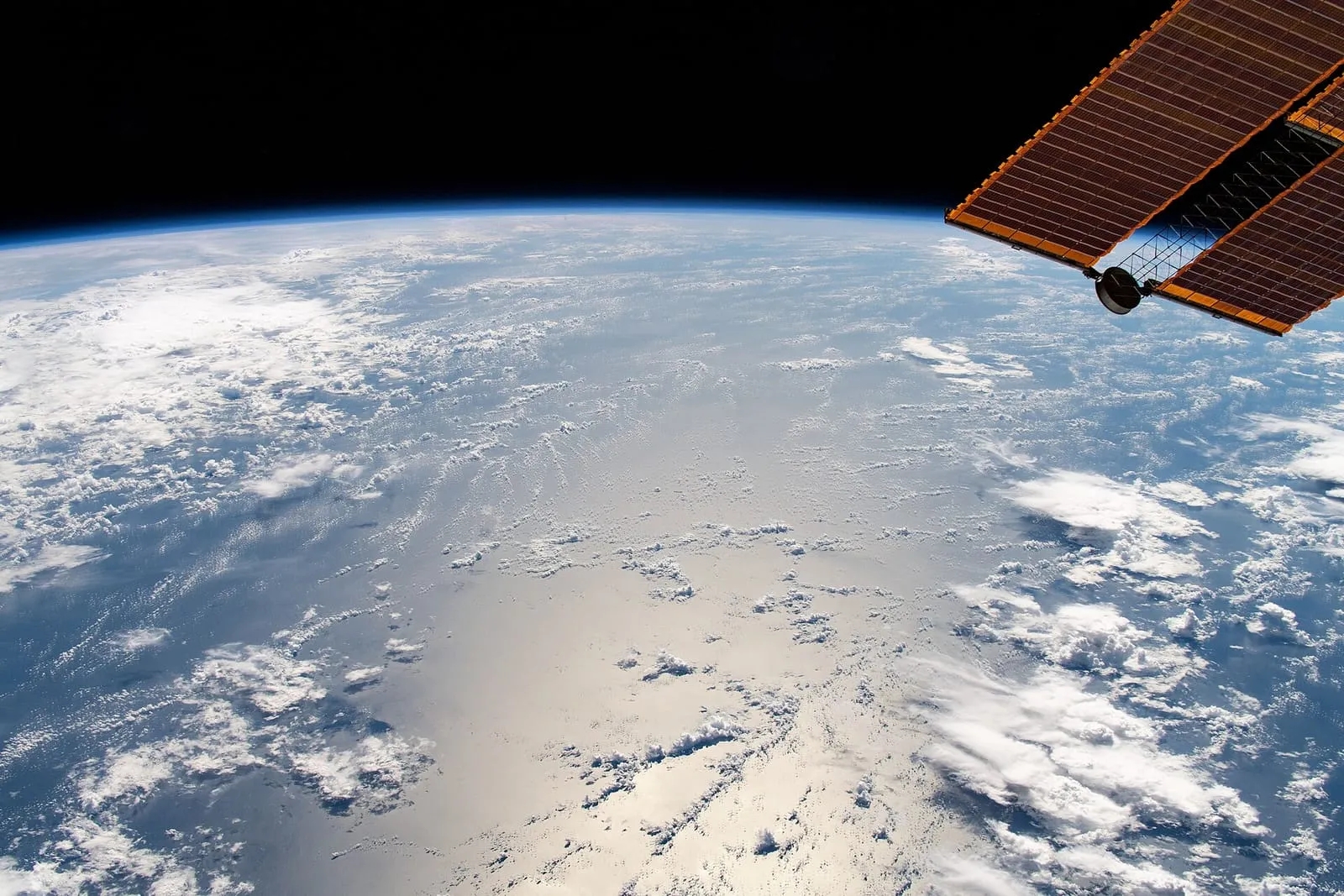
What is El Niño and how does it form?
A plain-language account of how El Niño and La Niña arise from shifts in Pacific winds and ocean temperatures, how long they last and how they affect weather.
Photo: NASA, Public domain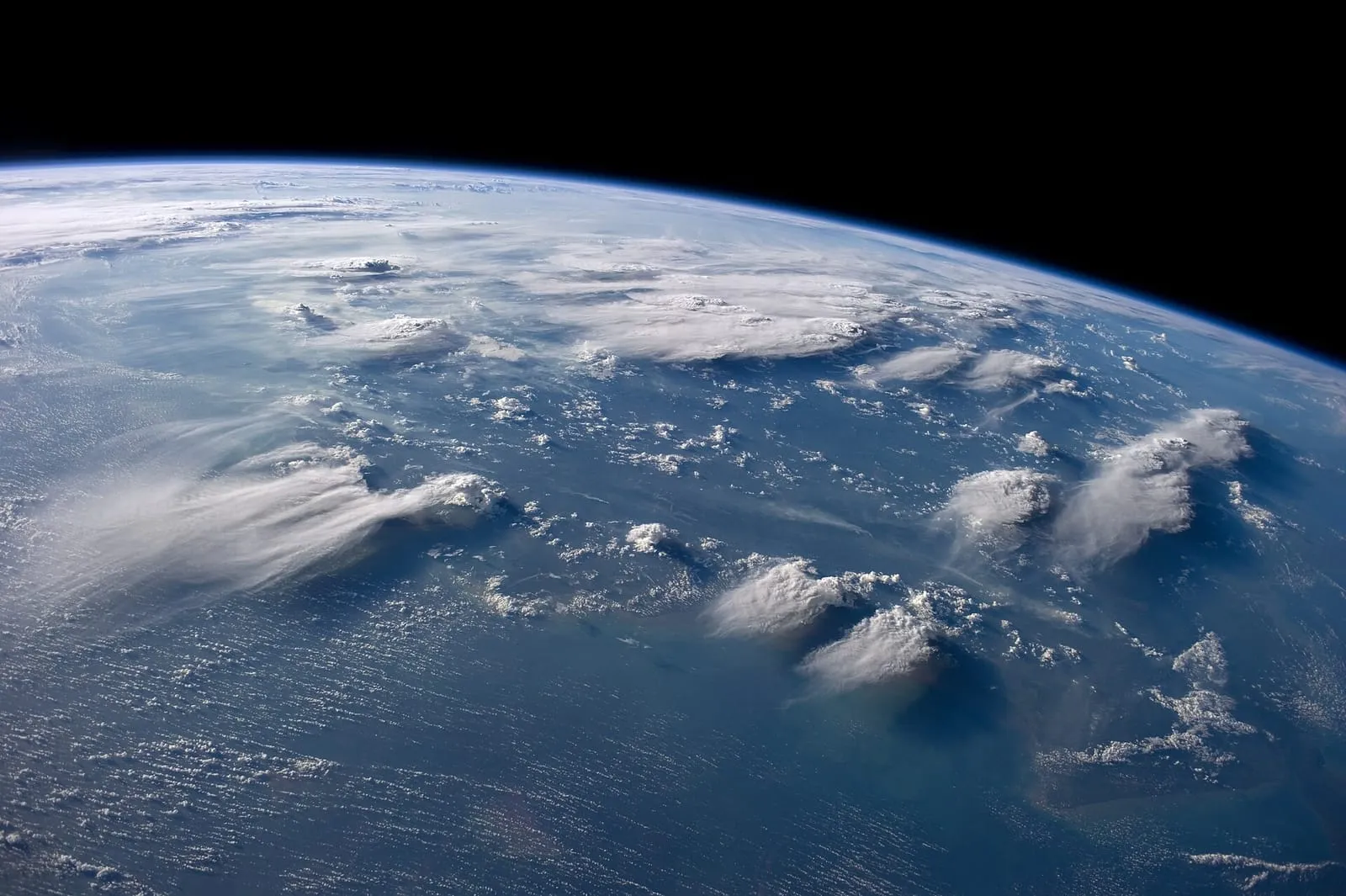
How do clouds form?
Clouds form when water vapour in the air cools and condenses; rising air cools, and water droplets or ice crystals make up the cloud.
Photo: NASA/Expedition 40 crew member, Public domain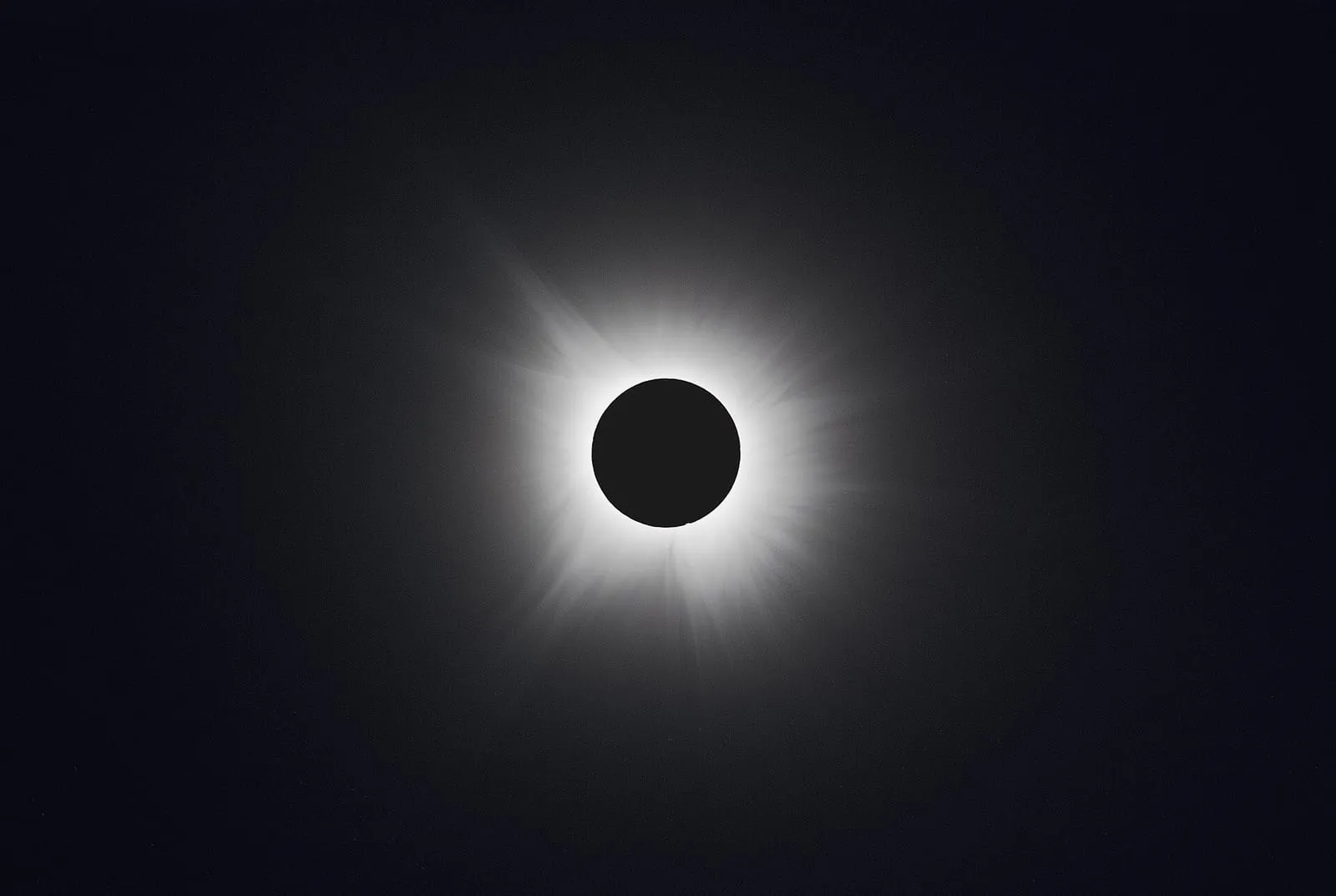
How does a solar eclipse happen?
A solar eclipse happens when the Moon passes between the Earth and the Sun and blocks its light; the Moon is 400 times smaller but 400 times closer.
Photo: mostateparks, Public domain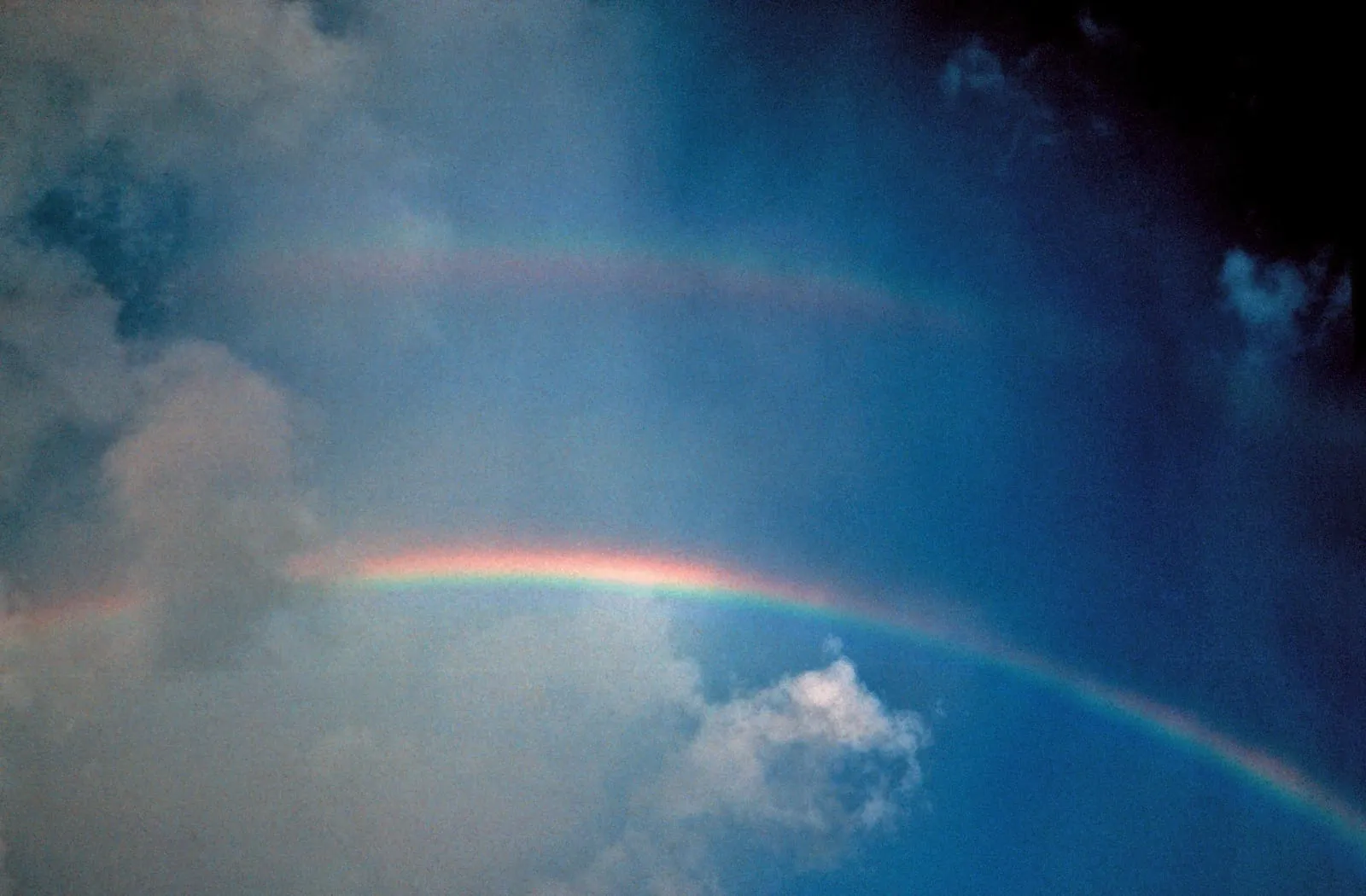
Rainbow colours: how does a rainbow form?
A rainbow forms when sunlight is refracted and reflected inside water droplets and split into its colours; to see one, the Sun must be behind you.
Photo: Ralph F. Kresge, Public domain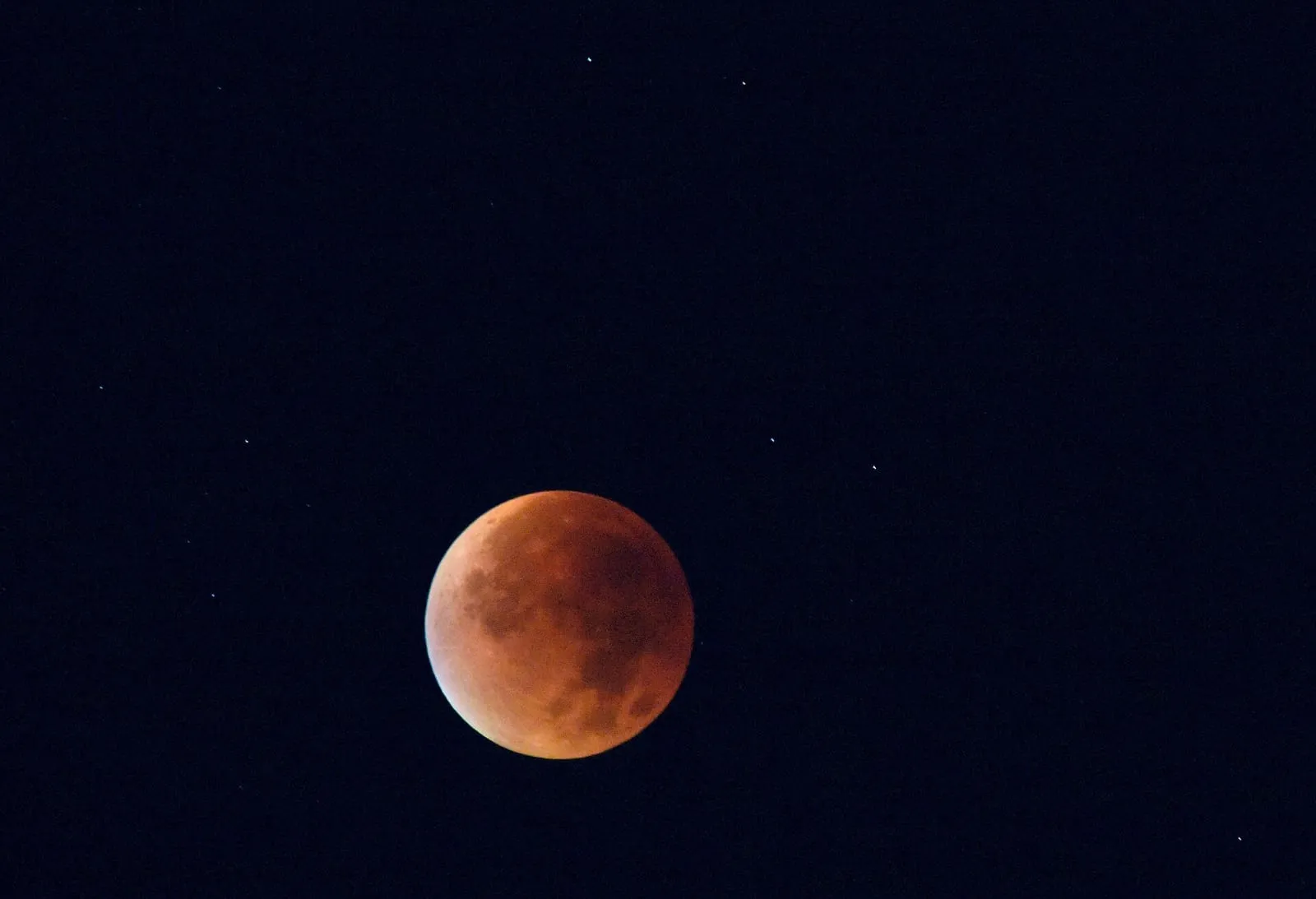
What is a lunar eclipse? What is a Blood Moon?
A lunar eclipse happens when the Earth's shadow falls on the full Moon; in a total eclipse the Moon looks red, hence the name "Blood Moon".
Photo: Denis Doukhan, CC0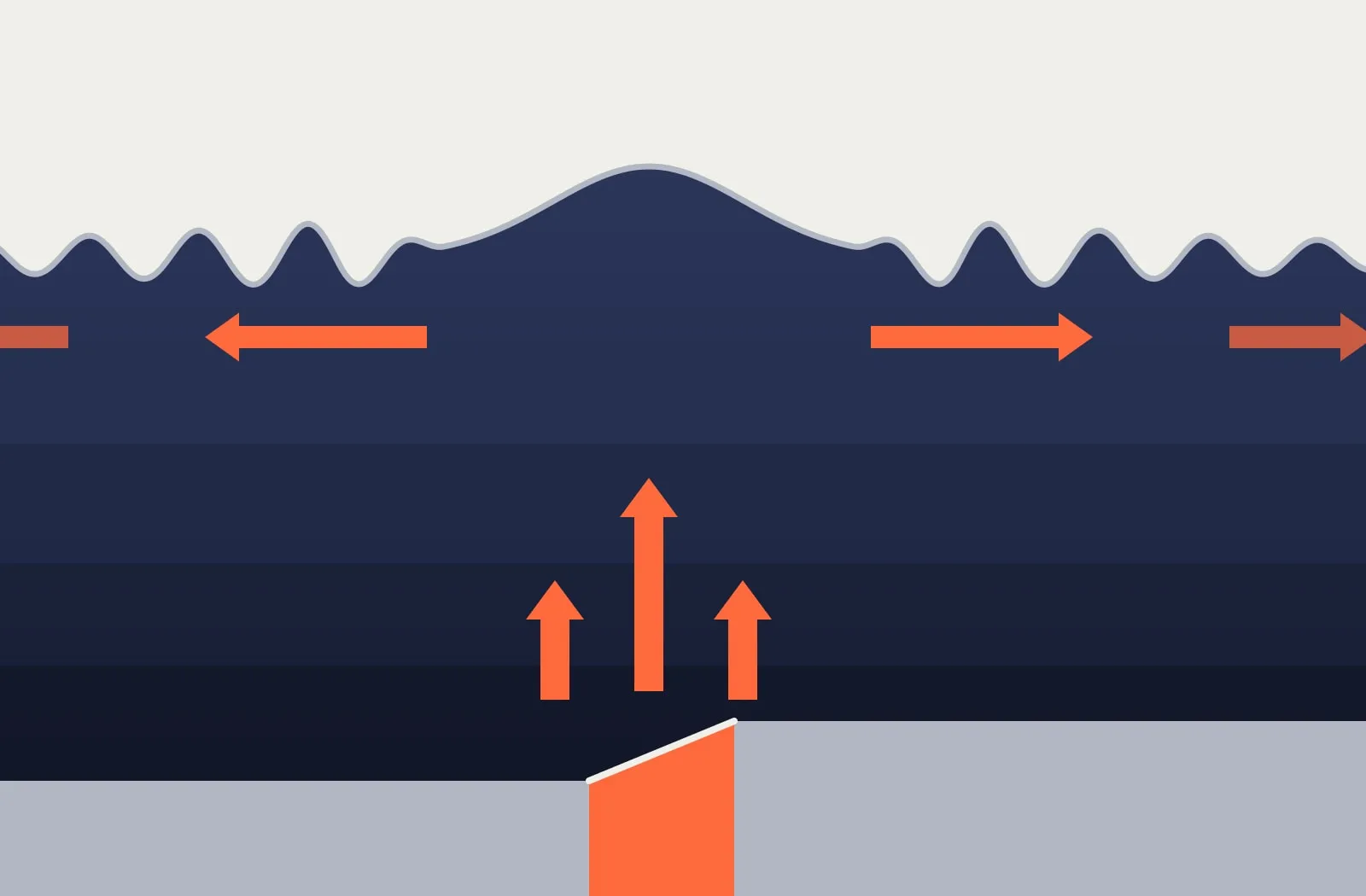
What is a tsunami and how does it form?
A tsunami is a series of waves caused by a large, sudden displacement of the ocean; the most common cause is a major earthquake under the seafloor.
Illustration: Zolvelo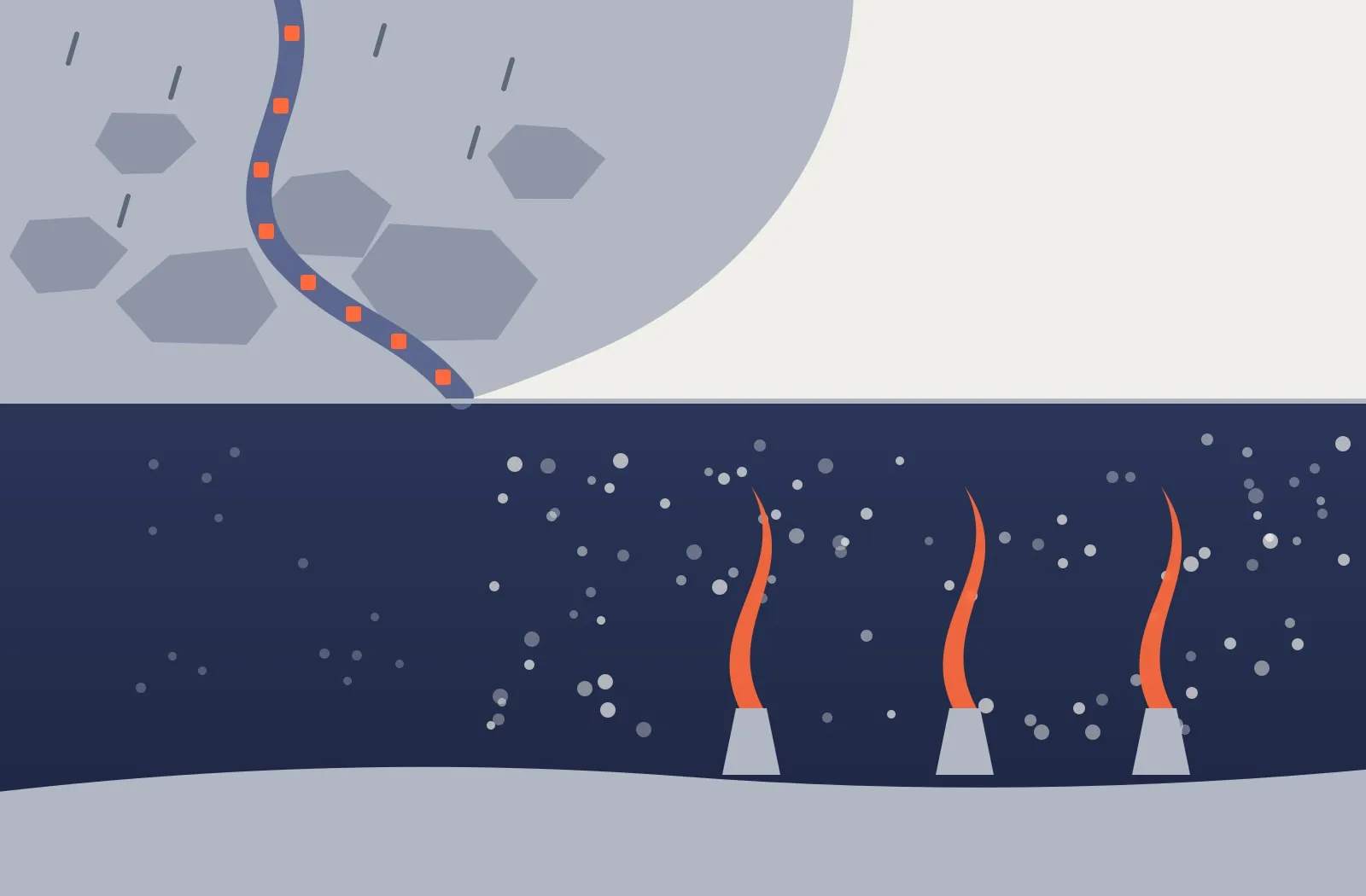
Why is seawater salty?
Most of the salt in seawater comes from rocks on land and vents on the seafloor; the average salinity is about 35 parts per thousand.
Illustration: Zolvelo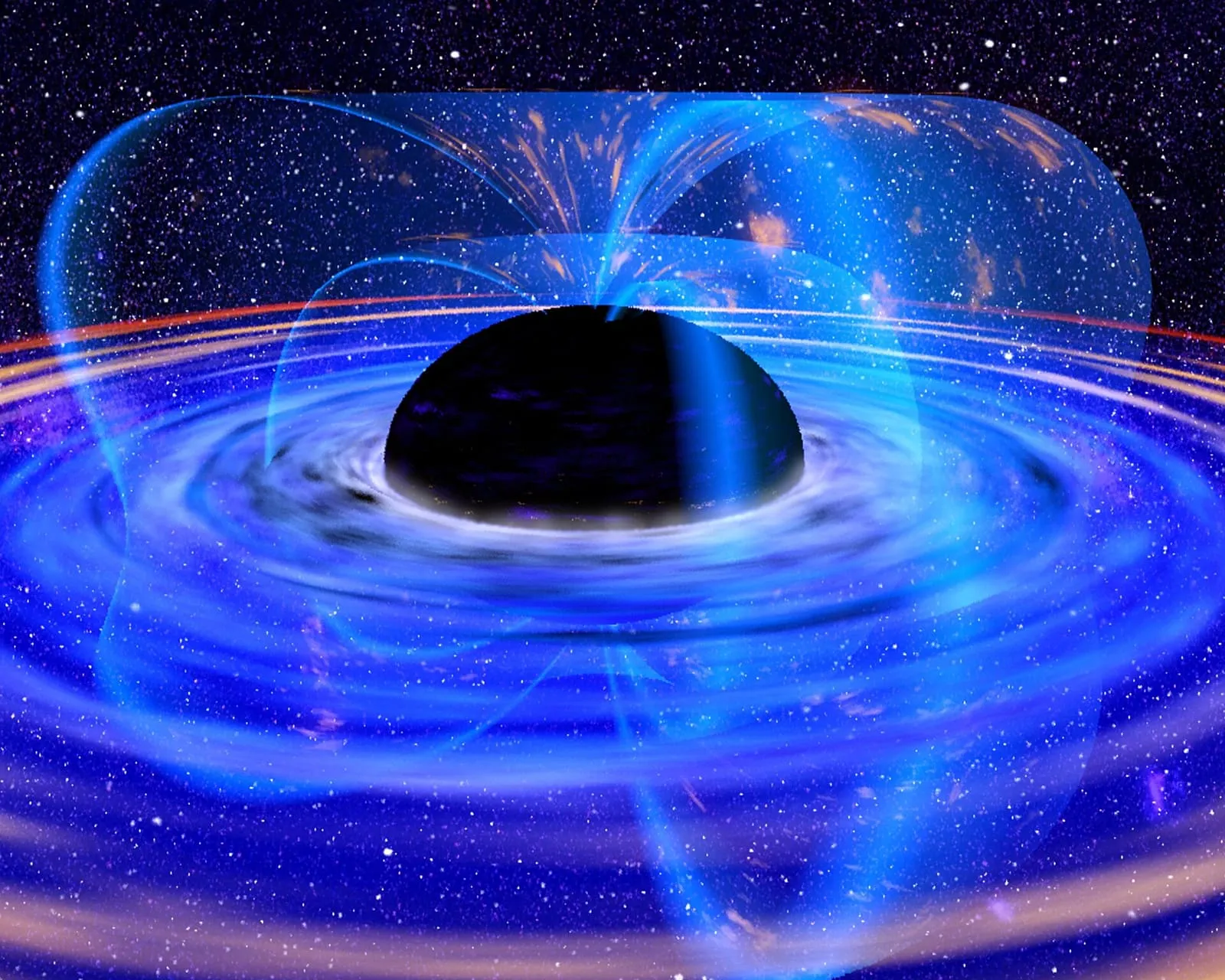
How do black holes form?
Black holes often form when a massive star runs out of fuel and collapses; their gravity is so strong that not even light can escape.
Photo: NASA/D. Berry, Public domain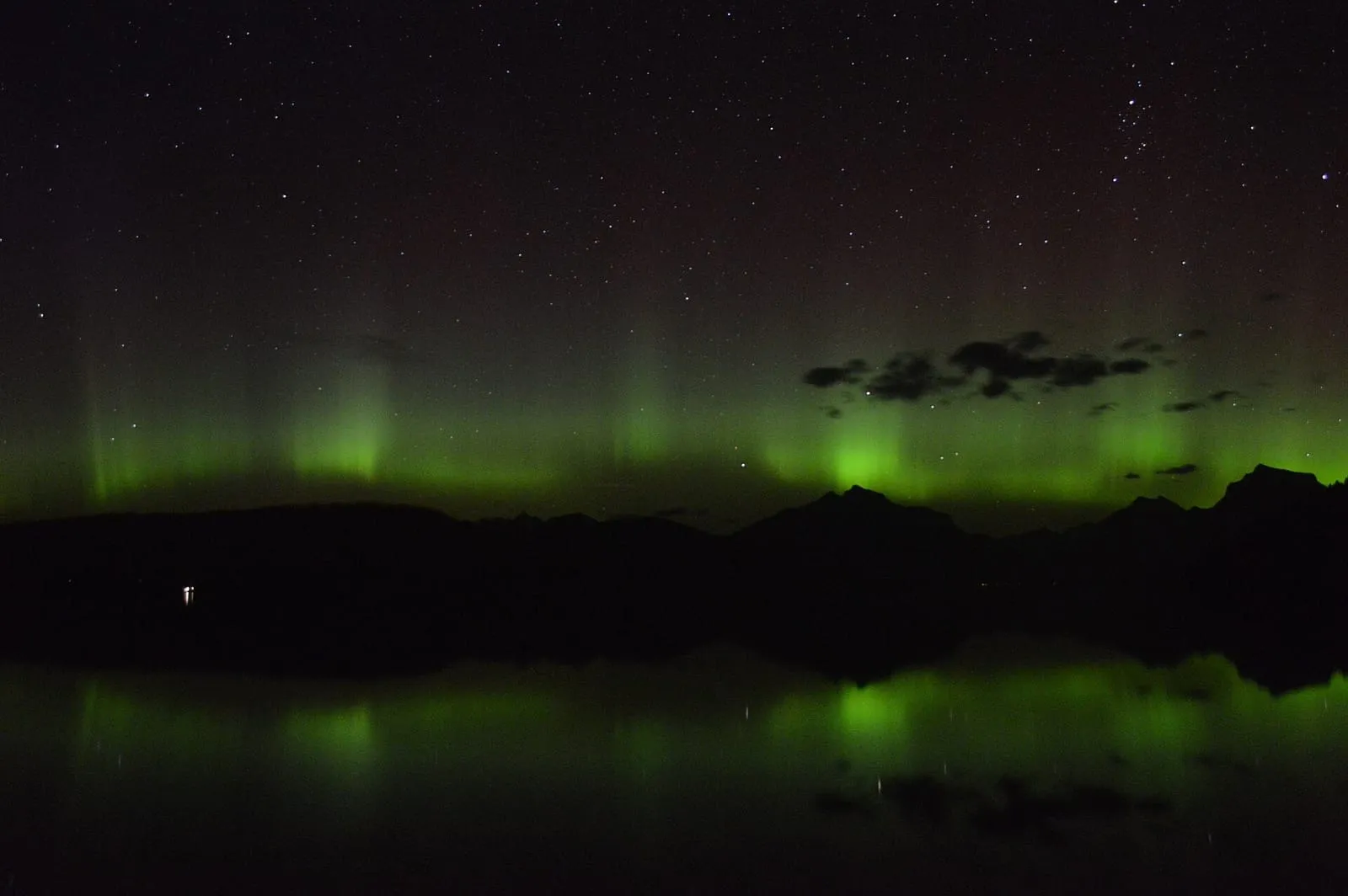
What causes auroras?
Particles from the Sun are steered towards the poles by Earth's magnetic field; when they hit gases in the upper atmosphere, the sky lights up in colour.
Photo: U.S. National Park Service, Public domain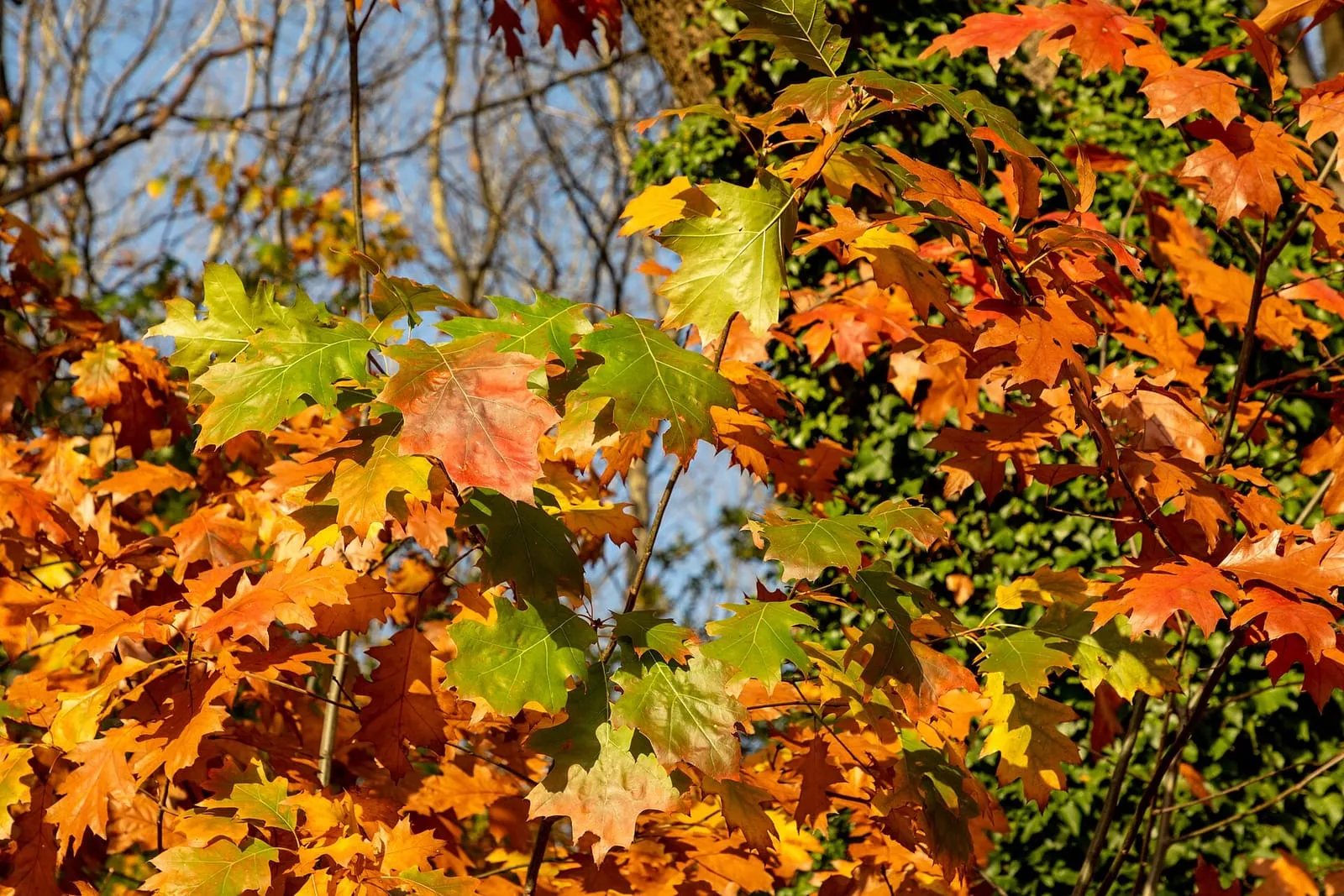
What causes the seasons?
It is Earth's tilted axis, not its distance from the Sun, that causes the seasons: through the year, different regions get the Sun's direct rays.
Photo: Dietmar Rabich, CC BY-SA 4.0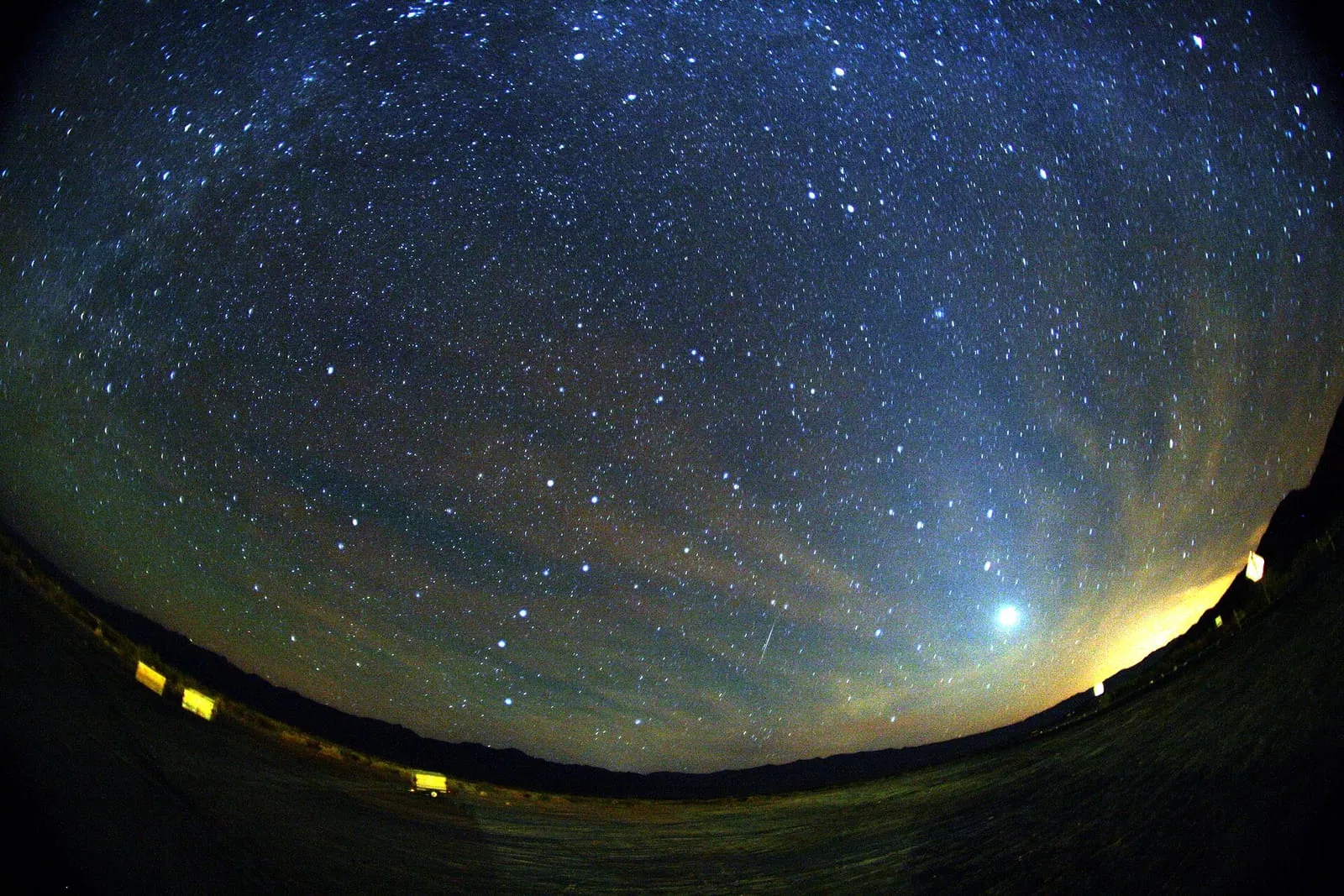
Orionid meteor shower: what it is, when and how to watch
The Orionids come from dust left by Halley's Comet. In 2026 the peak night is 21–22 October; watch after midnight from a dark place.
Photo: Brocken Inaglory, CC BY-SA 3.0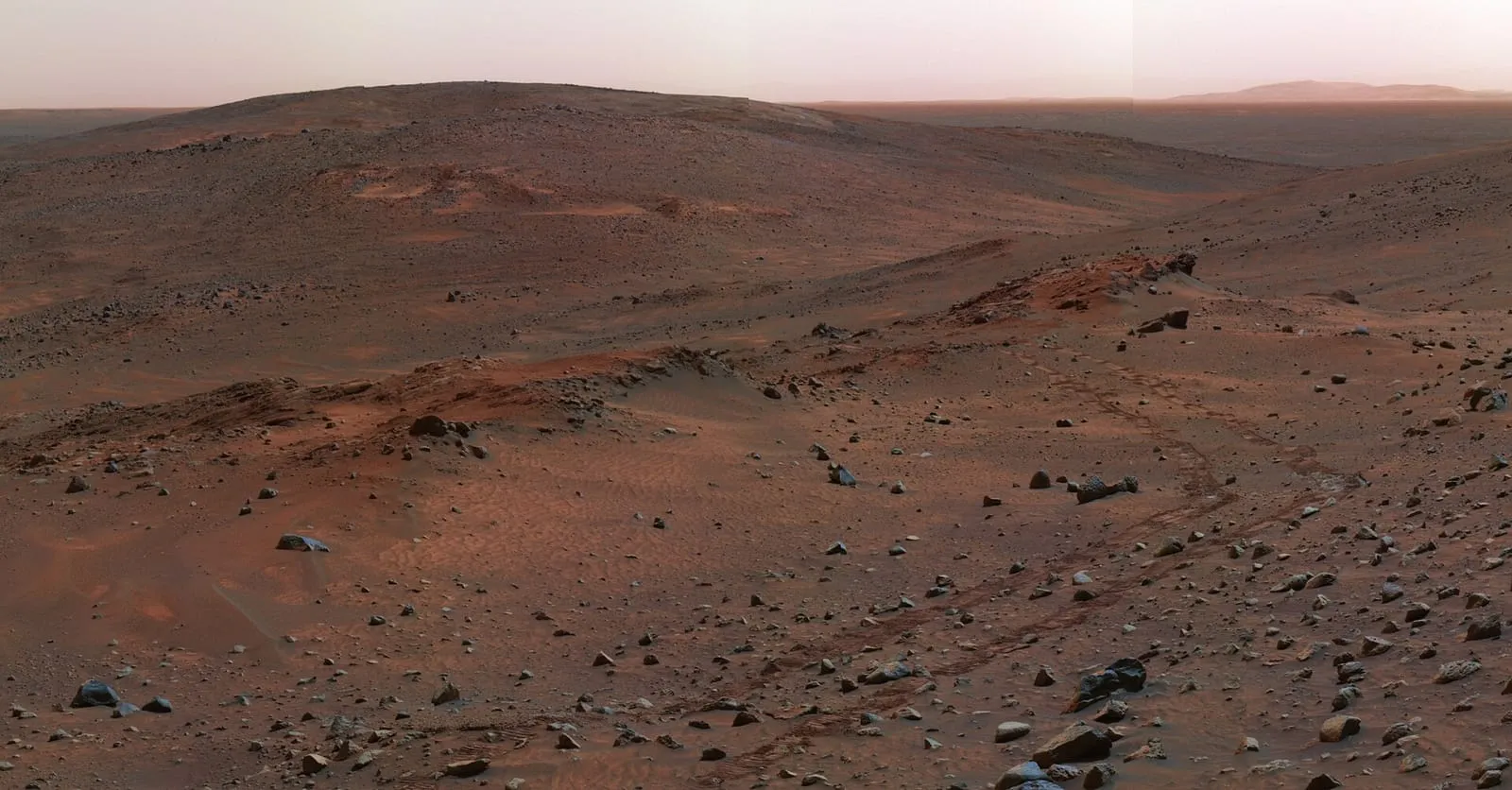
Why is Mars red?
Rusted iron in its rocks and dust makes Mars look red; a new study suggests the colour may come from a mineral that contains water.
Photo: NASA/JPL, Public domain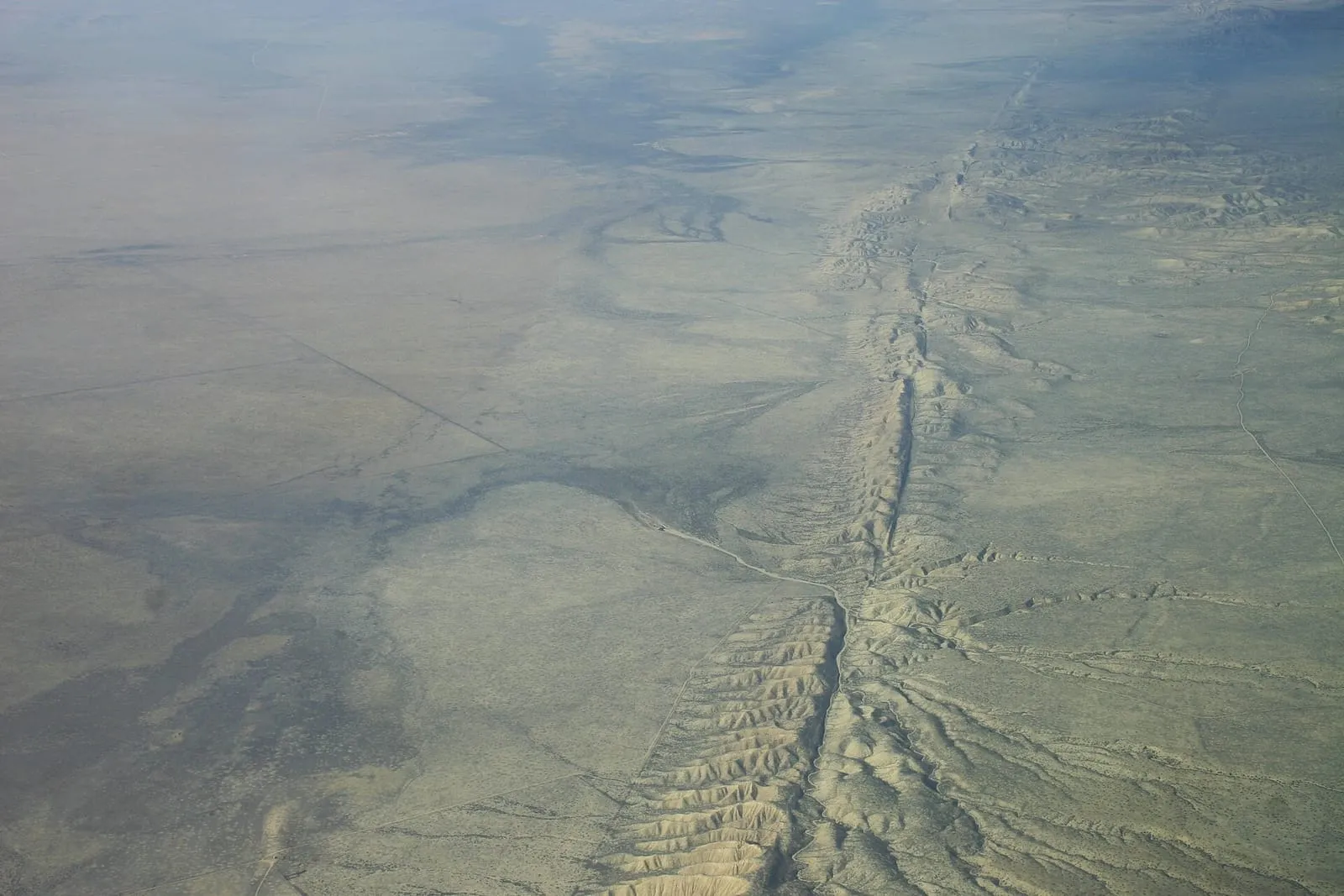
How do earthquakes happen?
The Earth's crust is always on the move; when stress built up on the faults where plates meet is released, the ground shakes.
Photo: Ikluft, CC BY-SA 4.0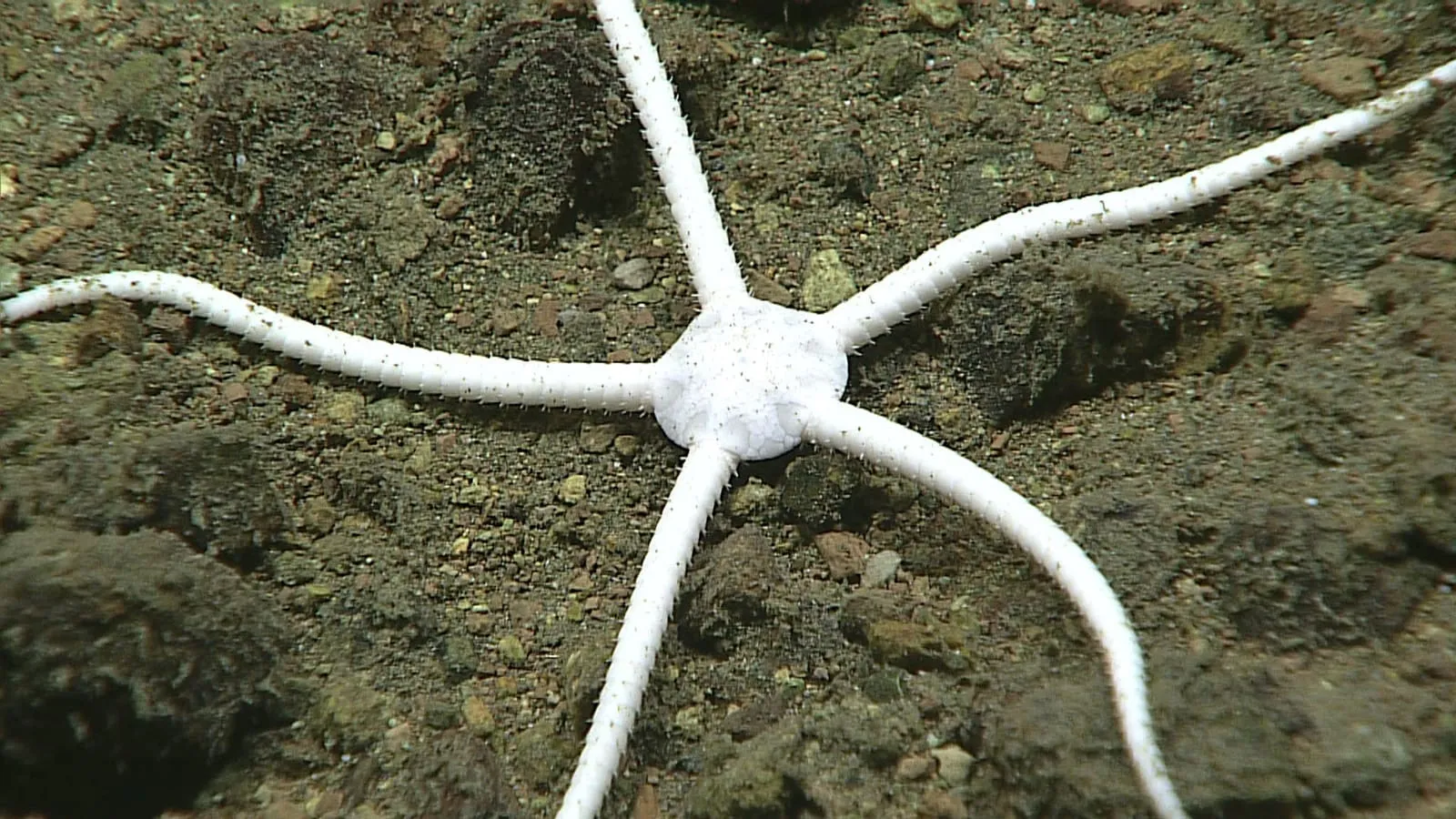
What is at the bottom of the Mariana Trench?
The bottom of the Mariana Trench is pitch black and cold, but not lifeless: the deepest point of the ocean holds amphipods, microbes and traces of humans.
Photo: NOAA Okeanos Explorer, Public domain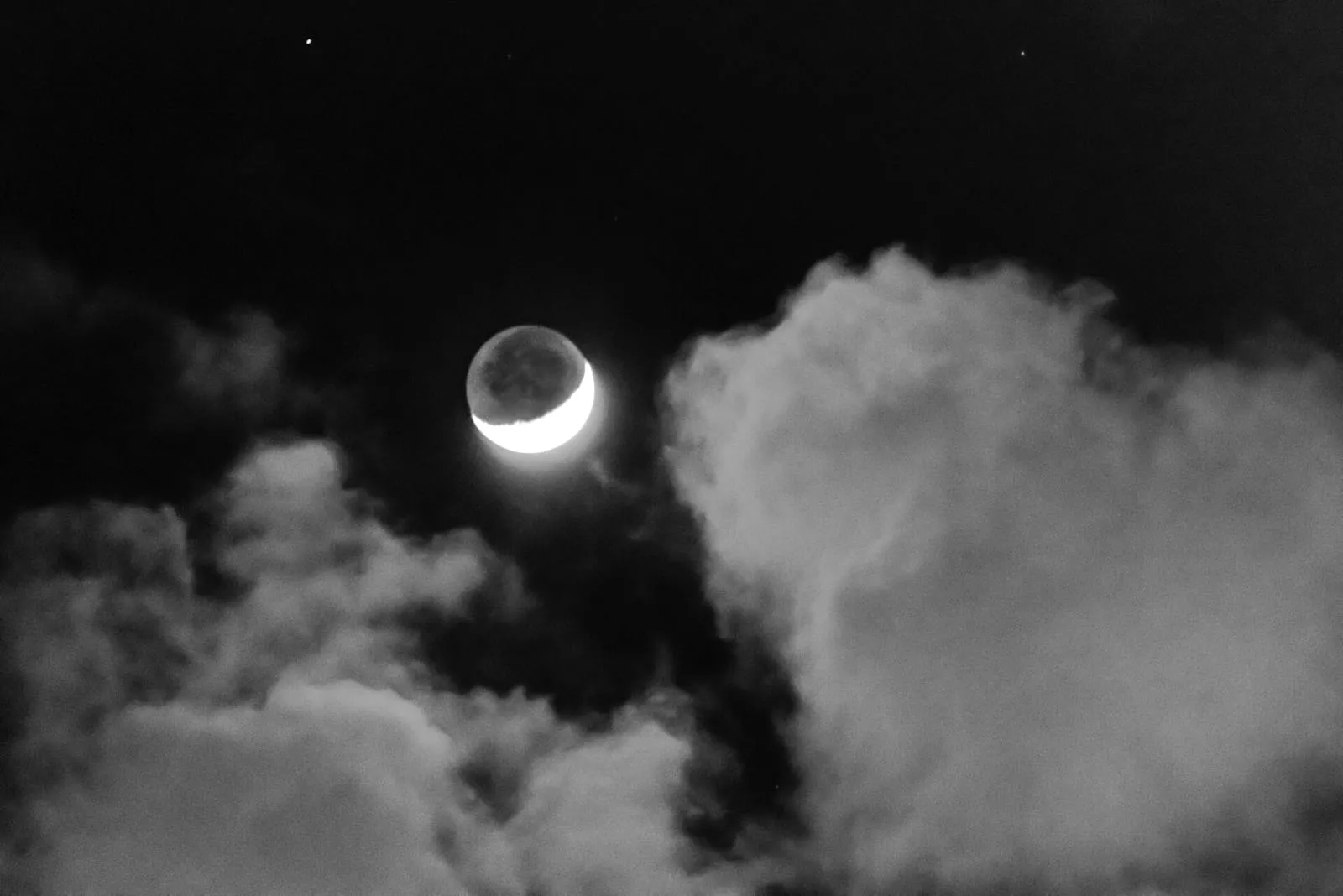
Moon phases: why does the Moon look different every night?
Moon phases appear because we see the half of the Moon lit by the Sun from different angles as it moves along its orbit; its shape does not change.
Photo: Todd Williams, CC0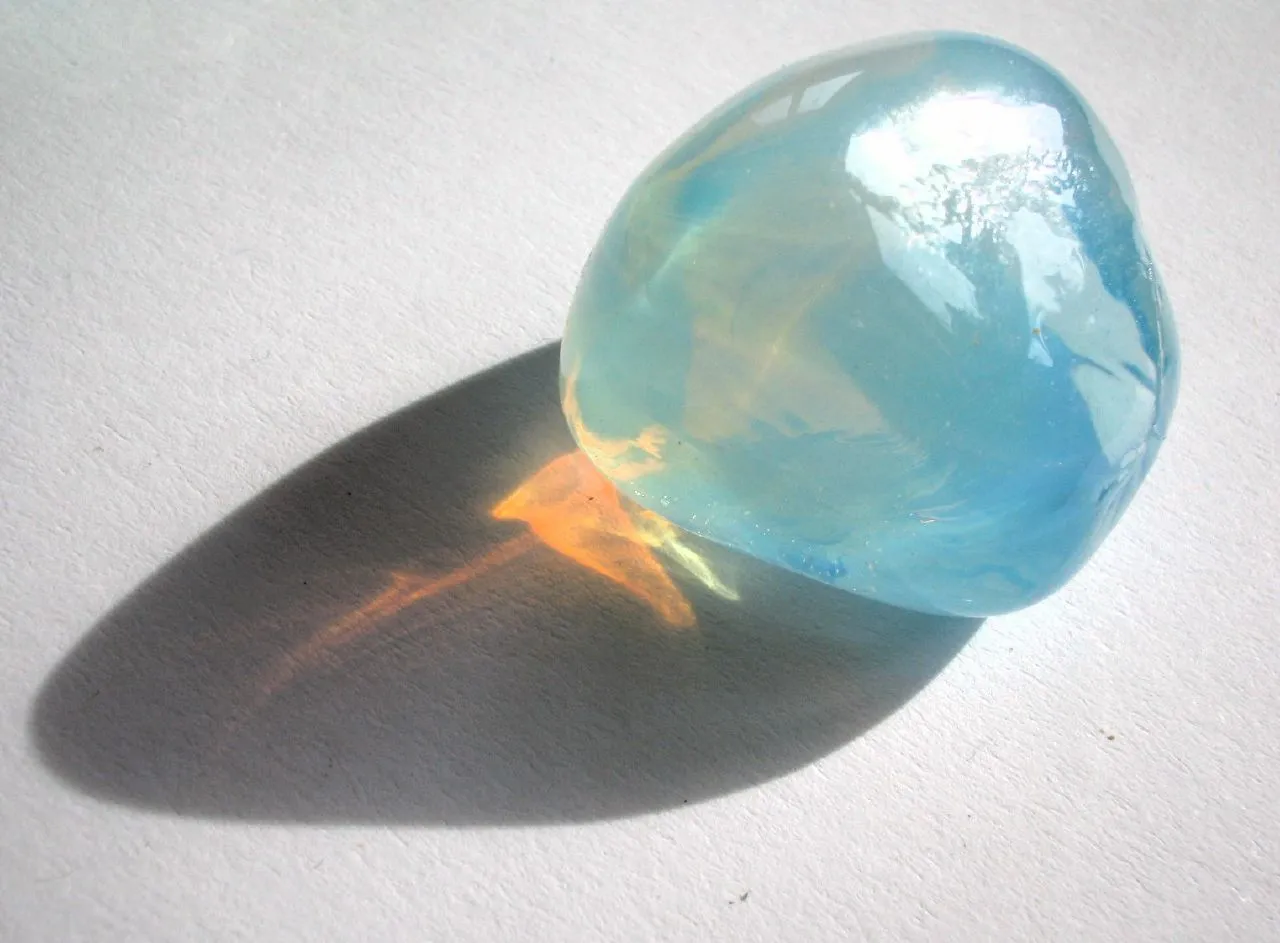
Why is the sky blue and the sunset red?
Sunlight carries every colour. Air scatters blue in all directions, and at sunset mostly red is left over.
Photo: optick, CC BY-SA 2.0