What is the Pacific Ring of Fire? Why so many quakes and volcanoes?
What is the Ring of Fire?
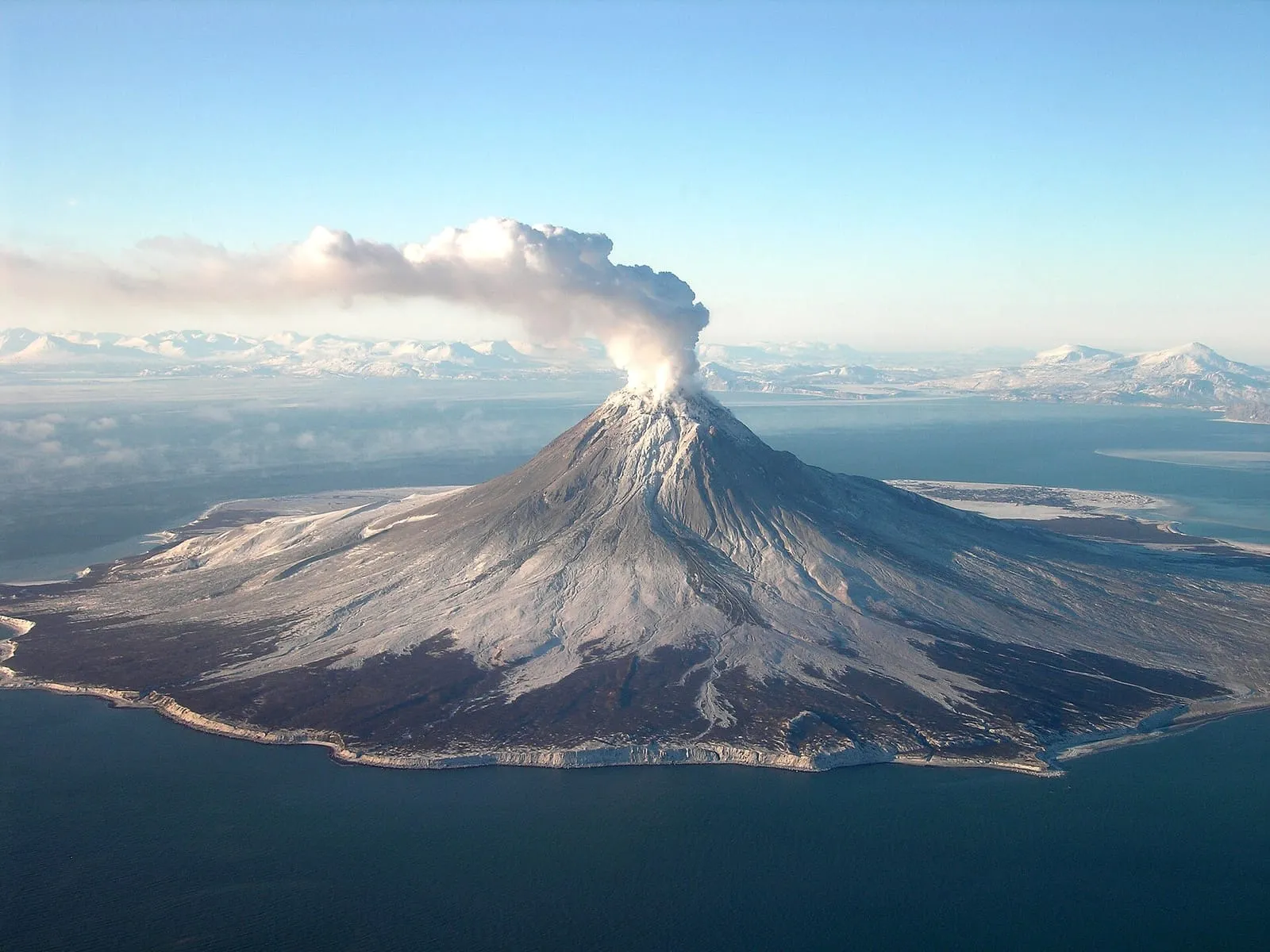
Volcanic arcs and ocean trenches that partly surround the Pacific Basin make up the zone called the Ring of Fire, where earthquakes and eruptions are frequent. It is the region of the world with the most earthquake and volcanic activity.
Most of the world’s active volcanoes lie underwater, along the Ring of Fire in the Pacific Ocean. With more than 450 volcanoes, the Ring of Fire stretches about 40,250 kilometres (25,000 miles).
It is a horseshoe, not a true ring. The horseshoe runs from the southern tip of South America up the west coast of North America, across the Bering Strait, through Japan and down to New Zealand.
Why so many earthquakes and volcanoes?
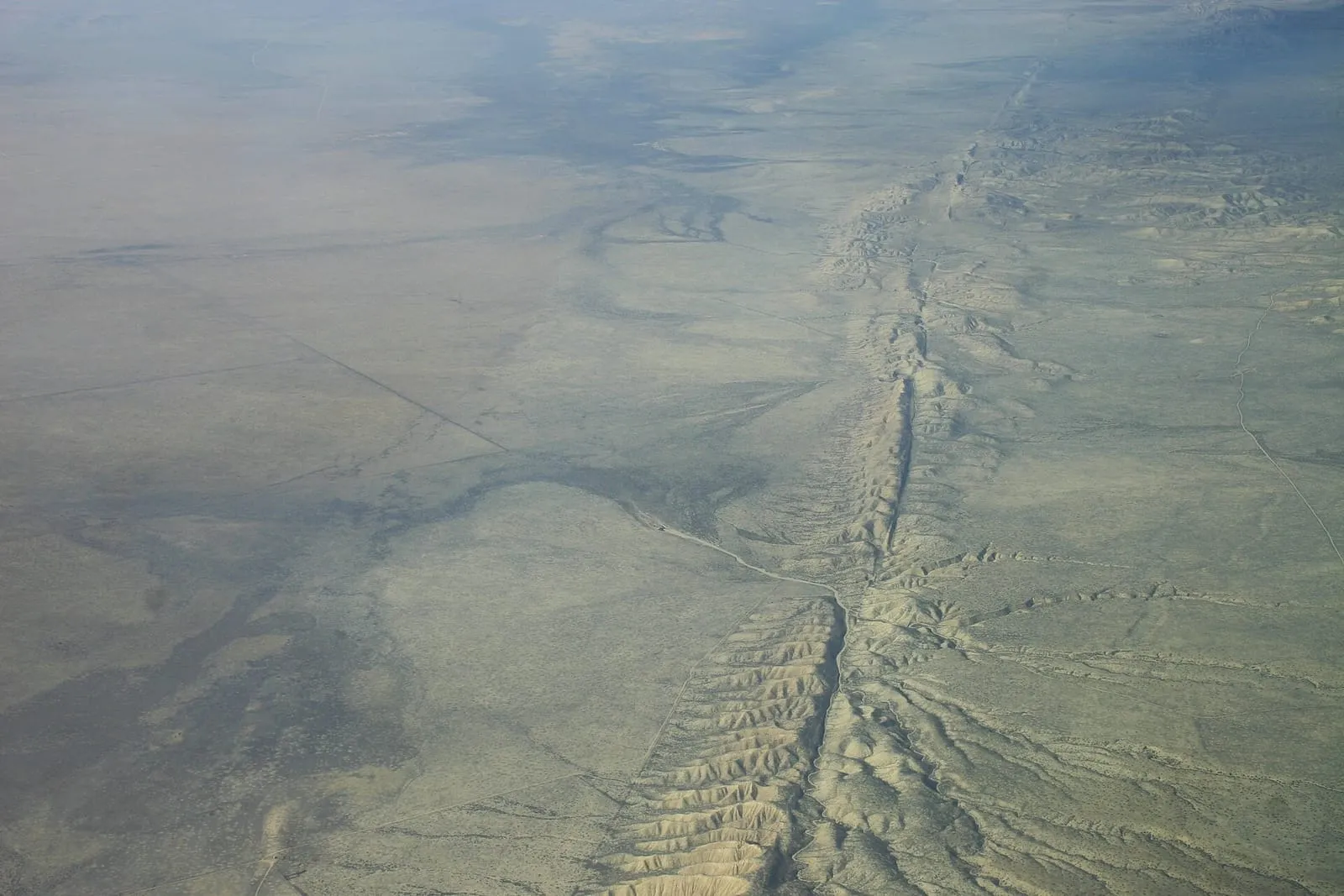
Most earthquakes and eruptions are not random; they happen in particular places, such as along plate boundaries. One such place is the Ring of Fire around the Pacific, where the Pacific Plate meets many of the tectonic plates around it. The Ring of Fire is a result of plate tectonics.
Most volcanic activity happens in subduction zones, where two tectonic plates converge. The heavier plate is pushed under the other. As this happens, the melting of the plates produces magma, which rises through the upper plate and breaks out at the surface as a volcano.
Trenches and earthquakes
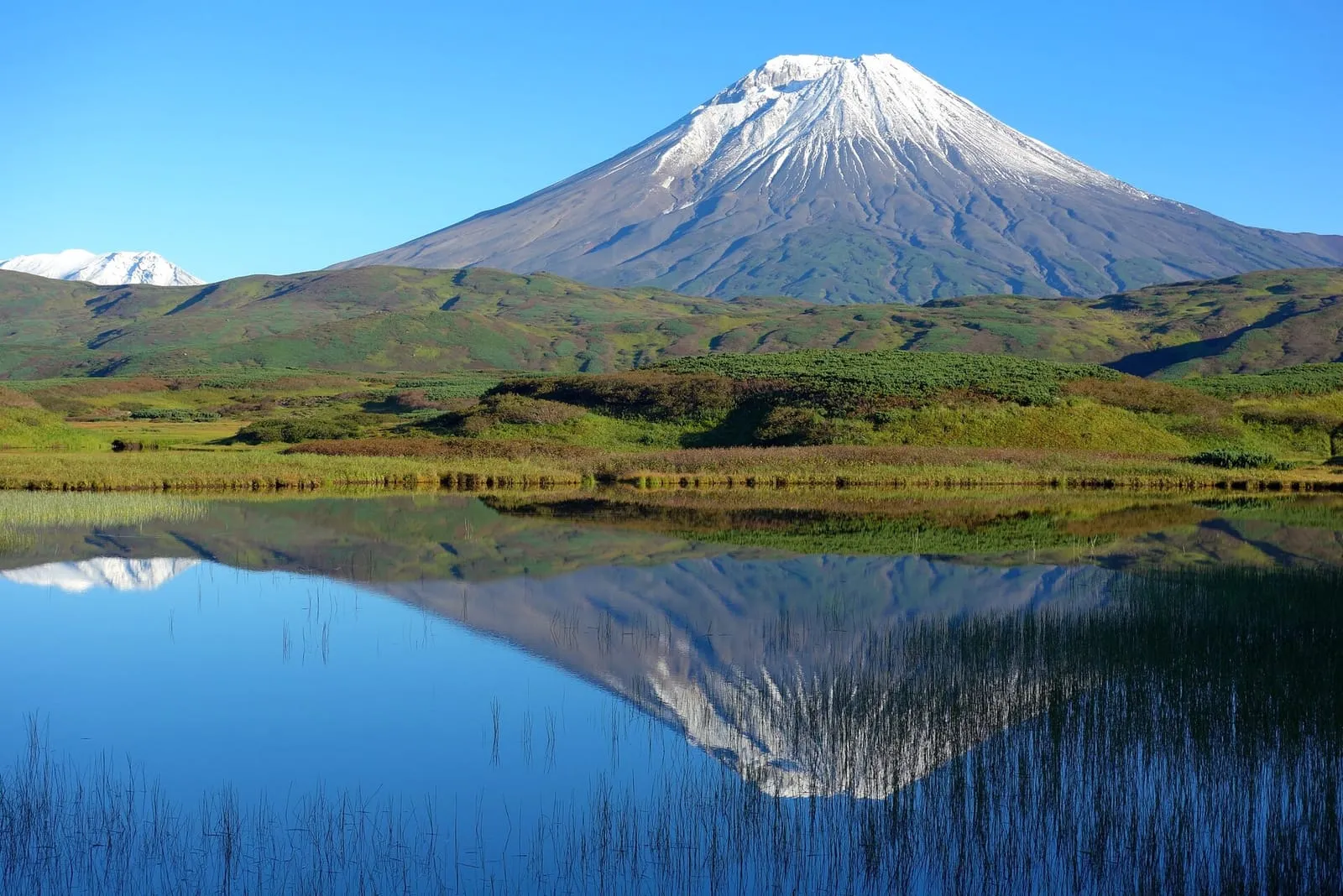
Subduction zones are also where the deepest ocean trenches lie and where deep earthquakes occur. Trenches form because one plate bends downward as it dives beneath another. Earthquakes happen as the two plates grind against each other and as the descending plate bends.
For example, the island arc linked to the Aleutian Trench is the long chain of volcanoes that makes up the Aleutian Islands.
Volcanoes in numbers
Around the world there are roughly 1,350 volcanoes that could be active. About 500 of them have erupted in historical times, and most are found around the Pacific.
The US ranks third, after Indonesia and Japan, for the number of historically active volcanoes. Roughly 10 percent of the 1,500-plus volcanoes with eruptions in the last 10,000 years are in the US.
More than 80 percent of Earth’s surface, above and below sea level, is of volcanic origin. There is no firm evidence that an eruption at one volcano can set off an eruption at another volcano hundreds of kilometres away or on a different continent.
The biggest eruption of the 20th century is estimated to have happened in 1912 at Novarupta on the Alaska Peninsula. An estimated 15 cubic kilometres of magma were blasted out over 60 hours. That volume equals 230 years of eruption at Kilauea in Hawaii, or about 30 times the volume thrown out by Mount St. Helens in Washington.
Novarupta now lies inside Katmai National Park and Preserve.
Test yourself
Three questions from the article. Pick an answer to find out.
Question 1 of 3
What shape does the Ring of Fire have?
The Ring of Fire is a horseshoe rather than a true ring. Source: NOAA
Show answer
Right answer: A horseshoe
The Ring of Fire is a horseshoe rather than a true ring. Source: NOAA
Question 2 of 3
How do volcanoes form in subduction zones?
Melting of the plates produces magma, which rises through the upper plate and erupts as a volcano. Source: NOAA
Show answer
Right answer: Magma from melting plates rises to the surface
Melting of the plates produces magma, which rises through the upper plate and erupts as a volcano. Source: NOAA
Question 3 of 3
Where are most of the world's active volcanoes found?
Most active volcanoes lie underwater, along the Ring of Fire in the Pacific. Source: NOAA
Show answer
Right answer: Underwater
Most active volcanoes lie underwater, along the Ring of Fire in the Pacific. Source: NOAA