What is a lunar eclipse? What is a Blood Moon?
What is a lunar eclipse?
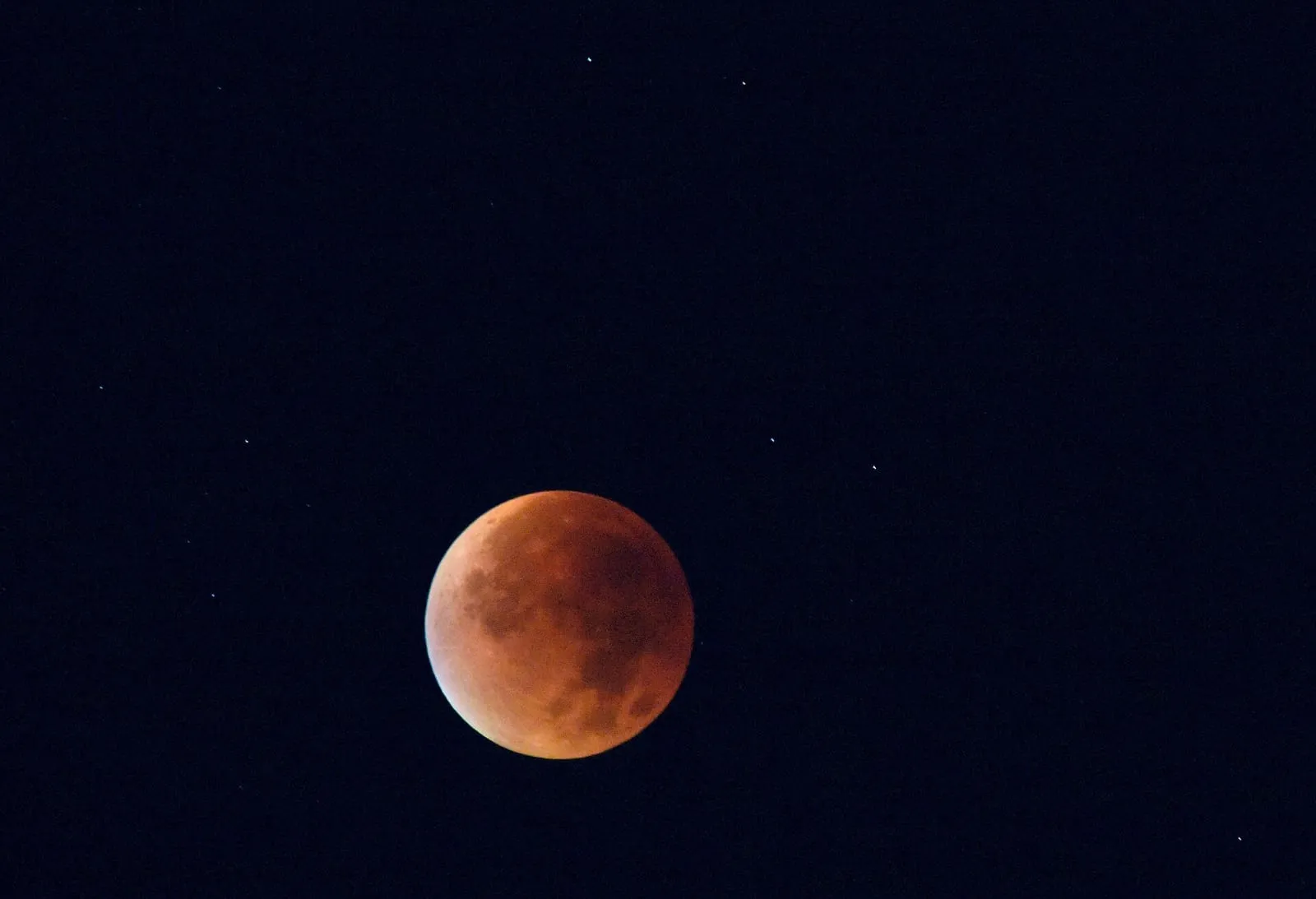
In a lunar eclipse, the Earth’s shadow covers the Moon. When the Earth is exactly between the Sun and the Moon, its shadow falls on the Moon’s surface and dims it. Lunar eclipses happen at full moon. The shadow sometimes turns the Moon’s surface red for a few hours. Every lunar eclipse can be seen from half of the Earth.
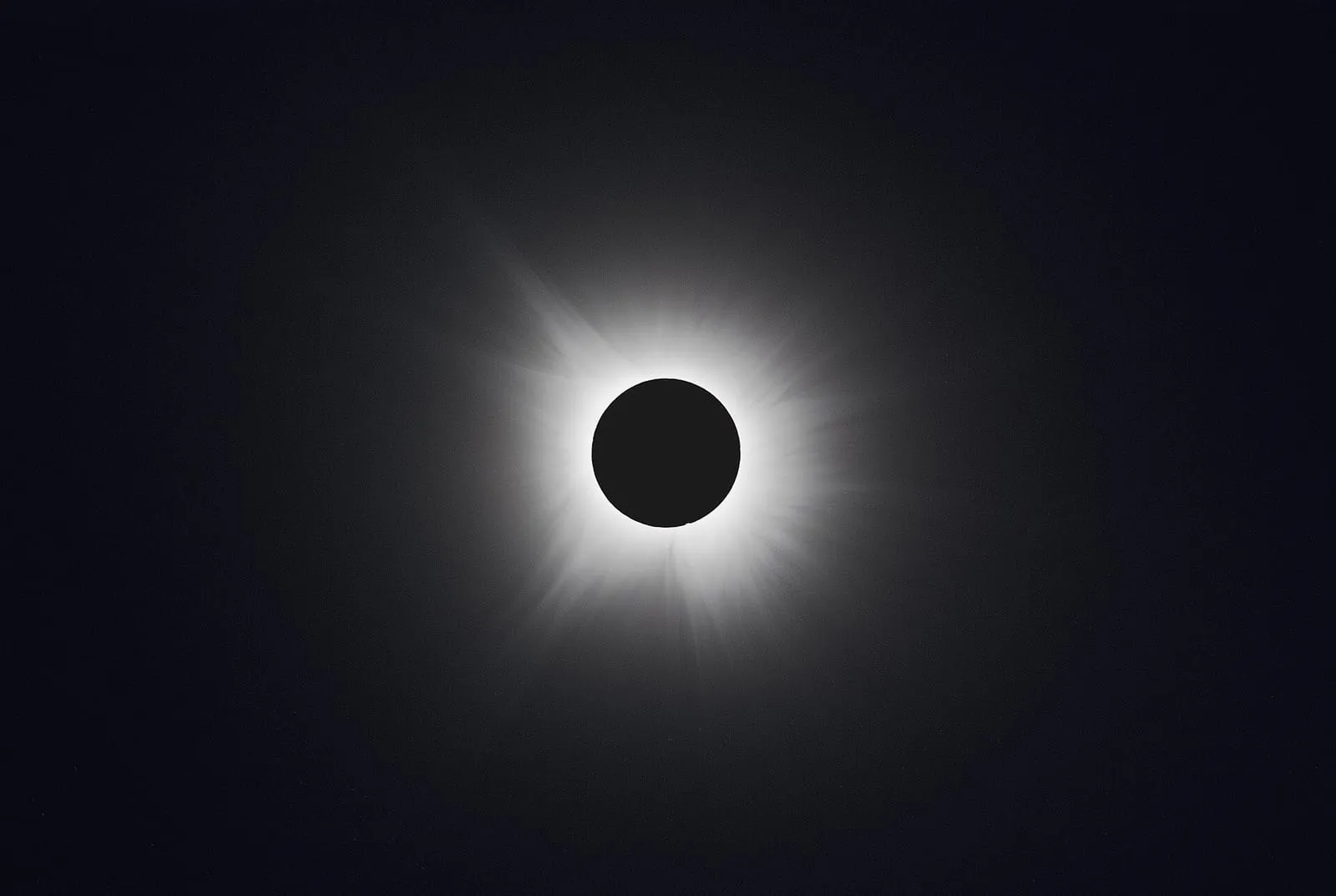
In a solar eclipse, by contrast, the Moon blocks the Sun from our view. Solar eclipses are as frequent as lunar eclipses, but each one is visible from such a small part of the Earth that catching one is far rarer.
Why not every month?
Four to seven times a year, the Earth, Moon and Sun line up in the right way to produce the shadow show we call an eclipse. The Moon’s orbit around the Earth is tilted relative to the Earth’s orbit around the Sun; this tilt is why we do not have an eclipse every month and why eclipses happen only now and then. The Moon’s orbit is tilted by about 5 degrees relative to the plane of the Earth’s orbit around the Sun.
Kinds of lunar eclipse
In a total lunar eclipse, the Moon enters the inner part of the Earth’s shadow, the umbra. Some of the sunlight passing through the Earth’s atmosphere reaches the Moon’s surface and lights it faintly.
If the Sun, Earth and Moon are not perfectly aligned, the Moon passes through only part of the Earth’s umbra. The shadow grows and then shrinks, but never covers the Moon completely.
In a penumbral eclipse, the Moon passes through the penumbra, the pale outer part of the Earth’s shadow; the Moon darkens so little that it can be hard to notice.
What is a Blood Moon? Why does the Moon look red?
The Moon turning reddish orange during a lunar eclipse is also known as a “Blood Moon”. Short wavelengths such as blue and violet are scattered more easily than long wavelengths such as red and orange. Because long wavelengths pass through the Earth’s atmosphere while short ones are scattered away, the Moon looks orange or red during an eclipse. The more dust or cloud there is in the Earth’s atmosphere during the eclipse, the redder the Moon looks.
The sunlight our planet does not block is filtered through a thick slice of the Earth’s atmosphere on its way to the Moon’s surface. The same process that makes the sky blue and sunsets red turns the Moon reddish orange during an eclipse.
At dawn and dusk, with the Sun low on the horizon, light travels a longer, shallower path through the Earth’s atmosphere to reach people on the ground. The bluer part of the light is scattered far away (where it is still daytime); only the part of the spectrum from yellow to red reaches our eyes. It is as if all the sunrises and sunsets in the world were being projected onto the Moon.
Do eclipses repeat?
The time between two consecutive lunar eclipses can be 1, 5 or 6 lunar phase cycles (synodic months). The Saros was first noticed by the Chaldeans as an interval at which lunar eclipses repeat. A Saros cycle lasts about 18 years, 11 days and 8 hours. A Saros equals 223 synodic months. Two eclipses separated by a Saros cycle have similar characteristics. The biggest drawback of the Saros cycle for predicting eclipses is that the following eclipses are visible from different parts of the Earth.
Test yourself
Three questions from the article. Pick an answer to find out.
Question 1 of 3
At which phase of the Moon do lunar eclipses occur?
Lunar eclipses happen at full moon. Source: NASA
Question 2 of 3
How does the Moon look during an eclipse if there is more dust or cloud in the Earth's atmosphere?
The more dust or cloud there is in the Earth's atmosphere during the eclipse, the redder the Moon looks. Source: NASA
Show answer
Right answer: Redder
The more dust or cloud there is in the Earth's atmosphere during the eclipse, the redder the Moon looks. Source: NASA
Question 3 of 3
By about how many degrees is the Moon's orbit tilted relative to the plane of the Earth's orbit around the Sun?
The Moon's orbit is tilted by about 5 degrees relative to the plane of the Earth's orbit around the Sun. Source: NASA
Show answer
Right answer: About 5 degrees
The Moon's orbit is tilted by about 5 degrees relative to the plane of the Earth's orbit around the Sun. Source: NASA