What is a cell and how does it work?
What is a cell?
Every living thing is built from cells, the basic units of life. A human body is made of trillions of cells. The number of cells in an adult human body is thought to lie somewhere between 10 and 100 trillion.
Cells give the body its structure, take in nutrients from food, convert them into energy and carry out specialised functions. Cells also carry the body’s hereditary material and can make copies of themselves.
Two big groups: eukaryotes and prokaryotes
All cells fall into one of two groups: eukaryotes and prokaryotes. A eukaryote has a nucleus and organelles surrounded by membranes; a prokaryote has neither.
Plants and animals are built from large numbers of eukaryotic cells, whereas many microbes, such as bacteria, are made of a single cell.
Organelles
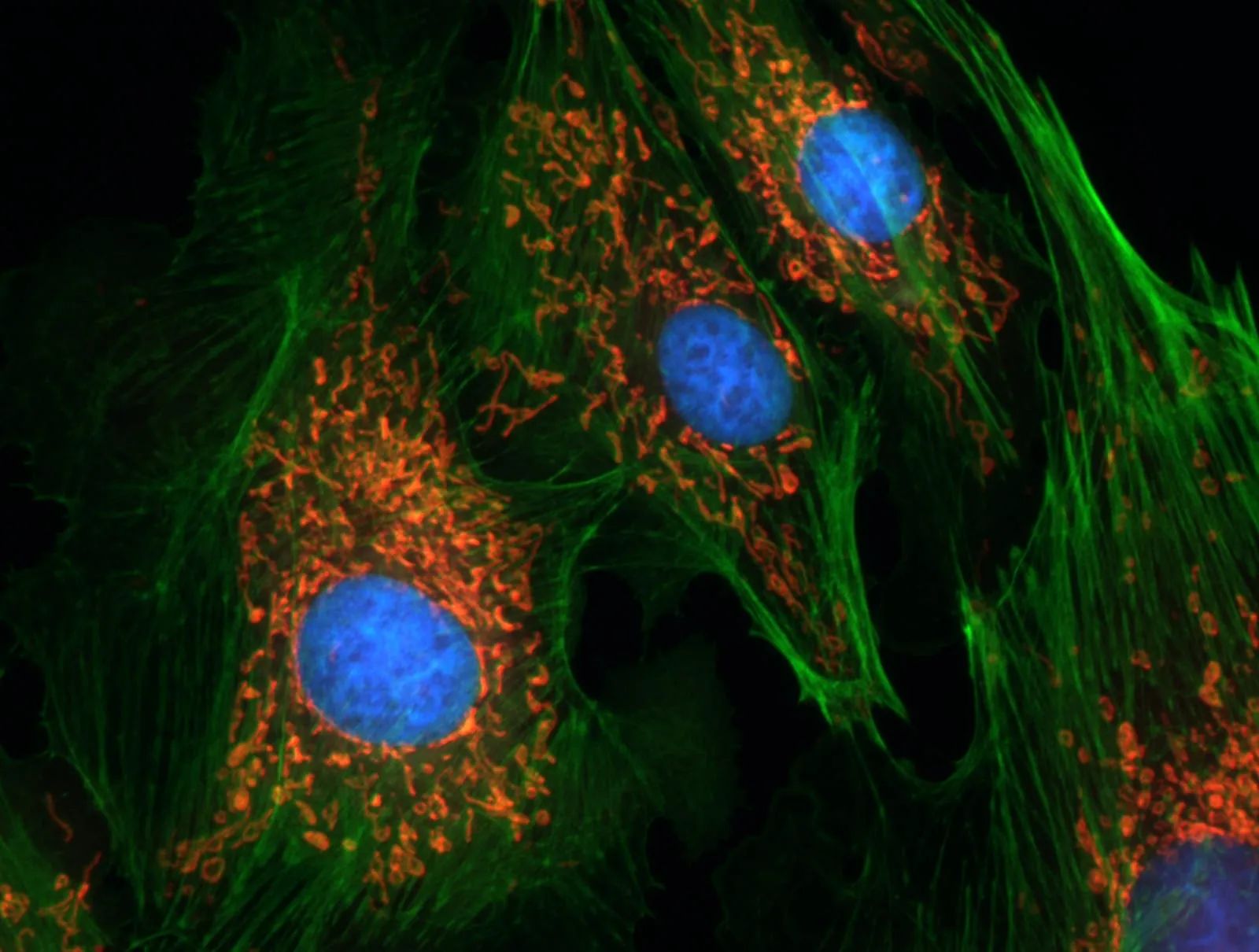
An organelle is a structure within a cell that performs one or more specific jobs, working much like an organ in the body. Some parts of the cell, called organelles, are specialised structures with particular tasks inside it. Among the more important organelles are the nuclei, which store genetic information, the mitochondria, which produce chemical energy, and the ribosomes, which put proteins together.
The plasma membrane is the cell’s outer lining. It separates the cell from its surroundings and lets materials pass in and out. The cytoplasm consists of a jelly-like fluid (the cytosol) and other structures that surround the nucleus.
The nucleus
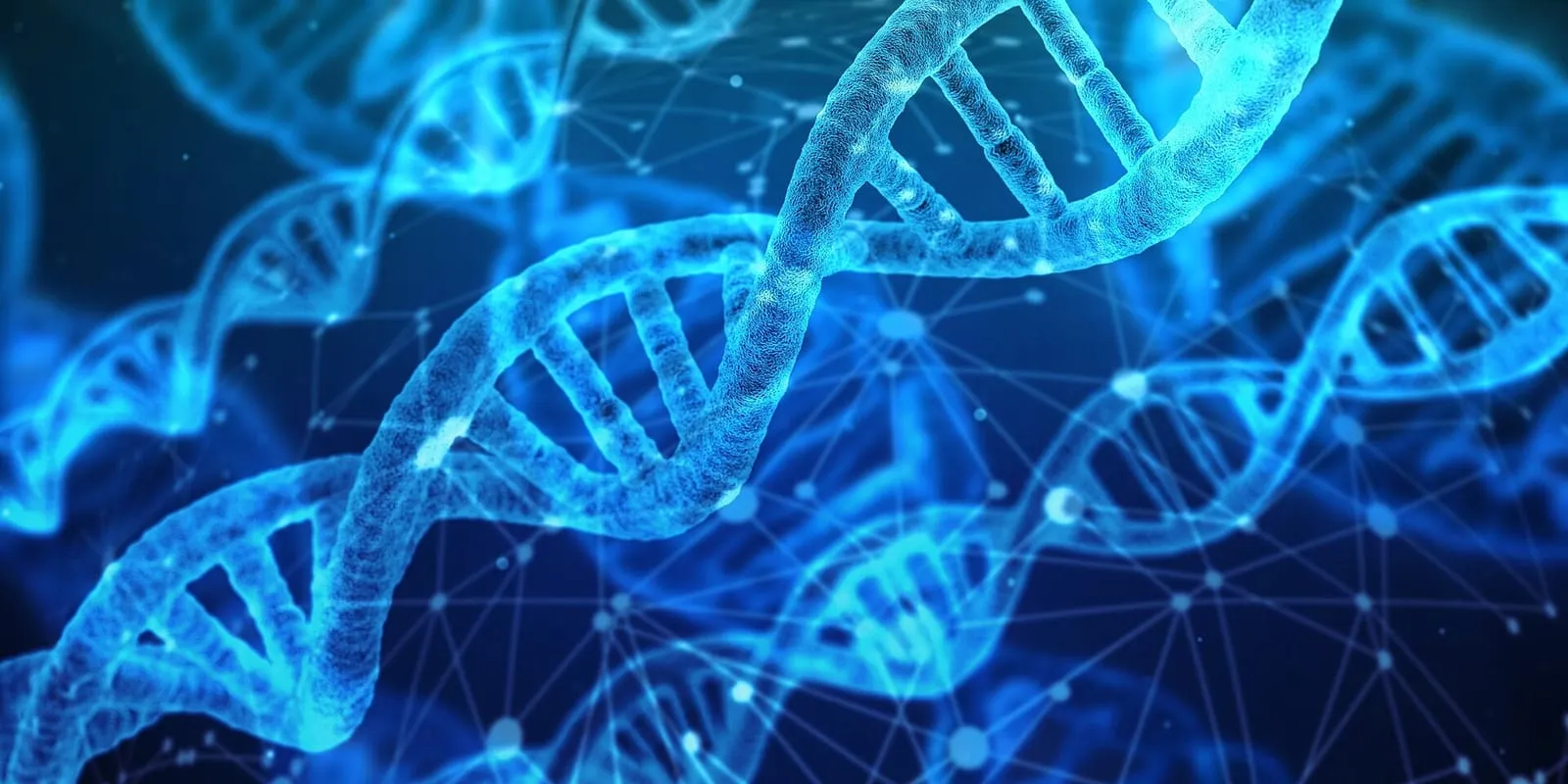
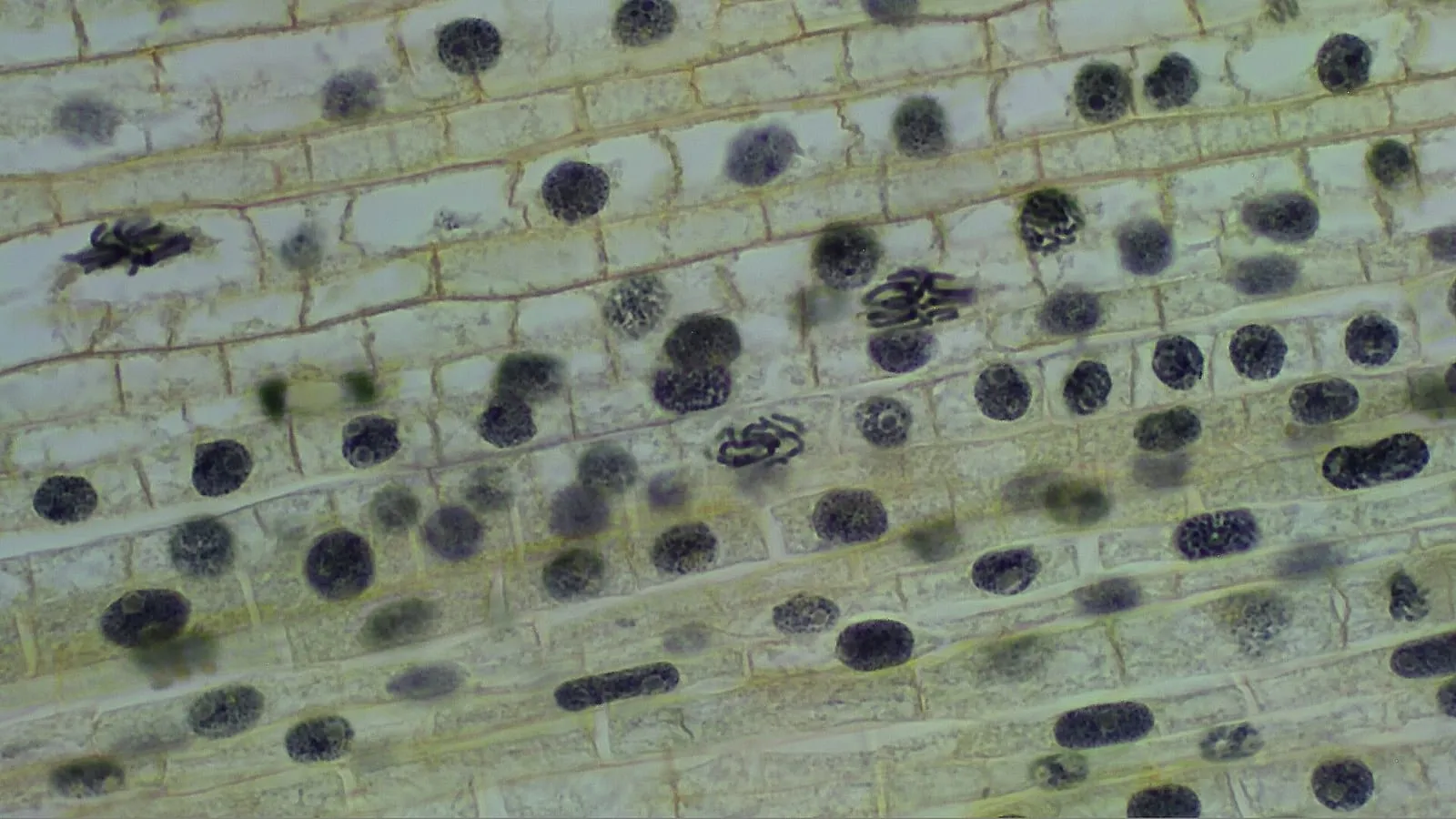
The nucleus acts as the cell’s command centre, sending instructions to the cell telling it to grow, mature, divide or die. It also houses the cell’s hereditary material, DNA (deoxyribonucleic acid). A membrane known as the nuclear envelope wraps around the nucleus; it shields the DNA and divides the nucleus from everything else in the cell.
The cytoskeleton
A web of long fibres known as the cytoskeleton forms the cell’s structural framework. It has several critical functions, such as setting the shape of the cell, taking part in cell division and letting cells move.
Making and moving proteins
Ribosomes are organelles that read the cell’s genetic instructions and build proteins from them. Ribosomes can float freely in the cytoplasm or be attached to the endoplasmic reticulum.
The endoplasmic reticulum helps to process the molecules the cell makes and carries them to particular destinations inside or outside the cell. The Golgi apparatus packages the molecules processed in the endoplasmic reticulum so that they can be transported out of the cell.
Energy and recycling
Complex organelles called mitochondria change the energy in food into a form the cell can use. Mitochondria carry genetic material of their own, distinct from the DNA in the nucleus, and they are able to duplicate themselves.
Lysosomes and peroxisomes are the cell’s recycling centres; they digest foreign bacteria that invade the cell, clear toxic substances out of it and recycle worn-out cell components.
Test yourself
Three questions from the article. Pick an answer to find out.
Question 1 of 3
How many cells is an adult human body estimated to contain?
An adult body is thought to hold between 10 and 100 trillion cells. Source: Genome.gov
Show answer
Right answer: Between 10 and 100 trillion
An adult body is thought to hold between 10 and 100 trillion cells. Source: Genome.gov
Question 2 of 3
Which statement is true of a prokaryotic cell?
A cell with a nucleus and membrane-bound organelles is called a eukaryote; a prokaryote has neither. Source: Genome.gov
Show answer
Right answer: It has no nucleus and no membrane-bound organelles
A cell with a nucleus and membrane-bound organelles is called a eukaryote; a prokaryote has neither. Source: Genome.gov
Question 3 of 3
Which statement about mitochondria is true?
Mitochondria carry genetic material of their own, distinct from the DNA in the nucleus, and they are able to duplicate themselves. Source: medlineplus.gov
Show answer
Right answer: They carry genetic material of their own that is distinct from the DNA in the nucleus
Mitochondria carry genetic material of their own, distinct from the DNA in the nucleus, and they are able to duplicate themselves. Source: medlineplus.gov