What is DNA and how does it work?
What is DNA?
DNA (deoxyribonucleic acid) is a molecule that carries the biological instructions that make each species unique. DNA and the instructions it holds are passed from adult organisms to their offspring when they reproduce. Nearly every cell in a human body has the same DNA.
Where is DNA found?
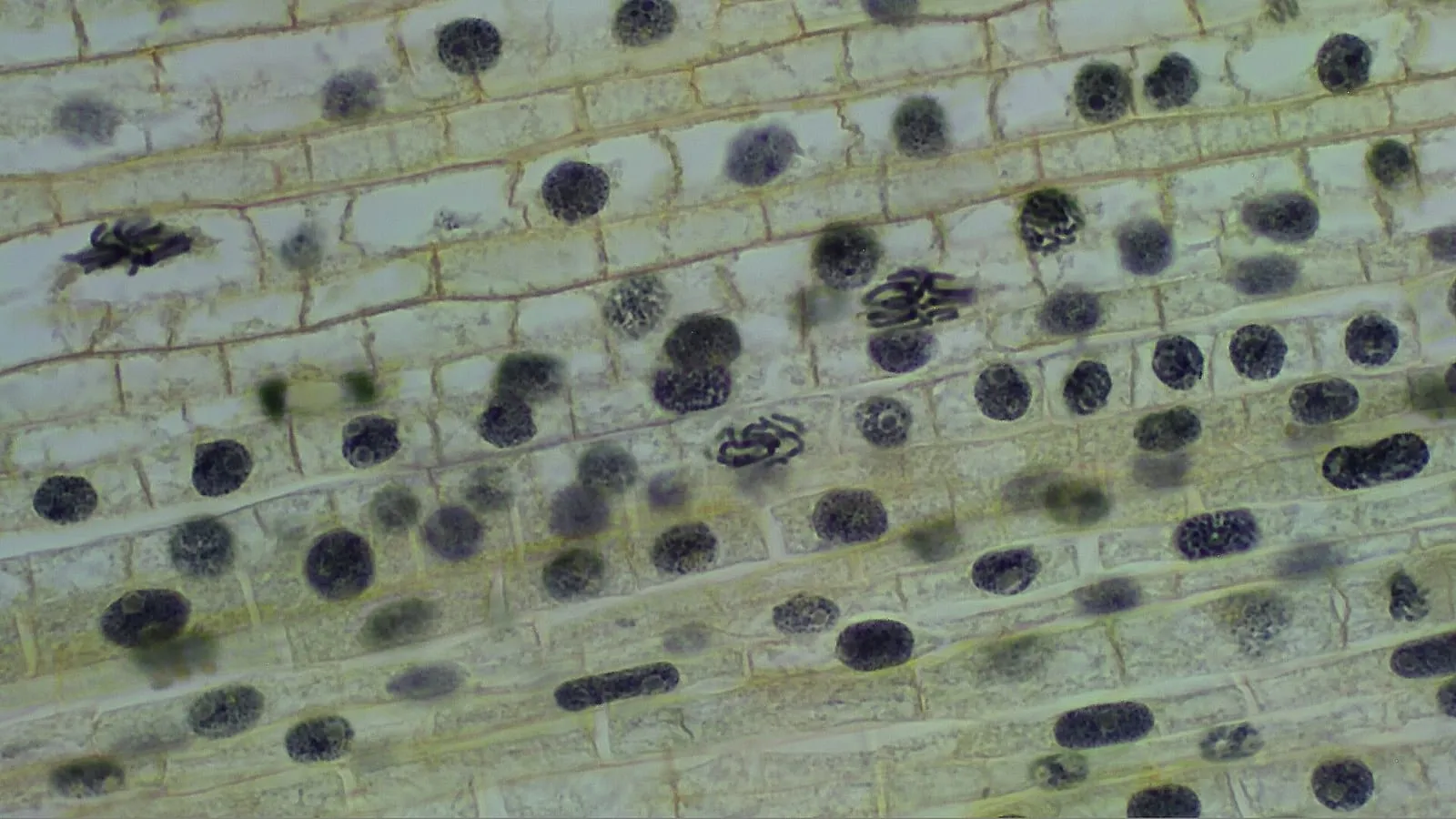
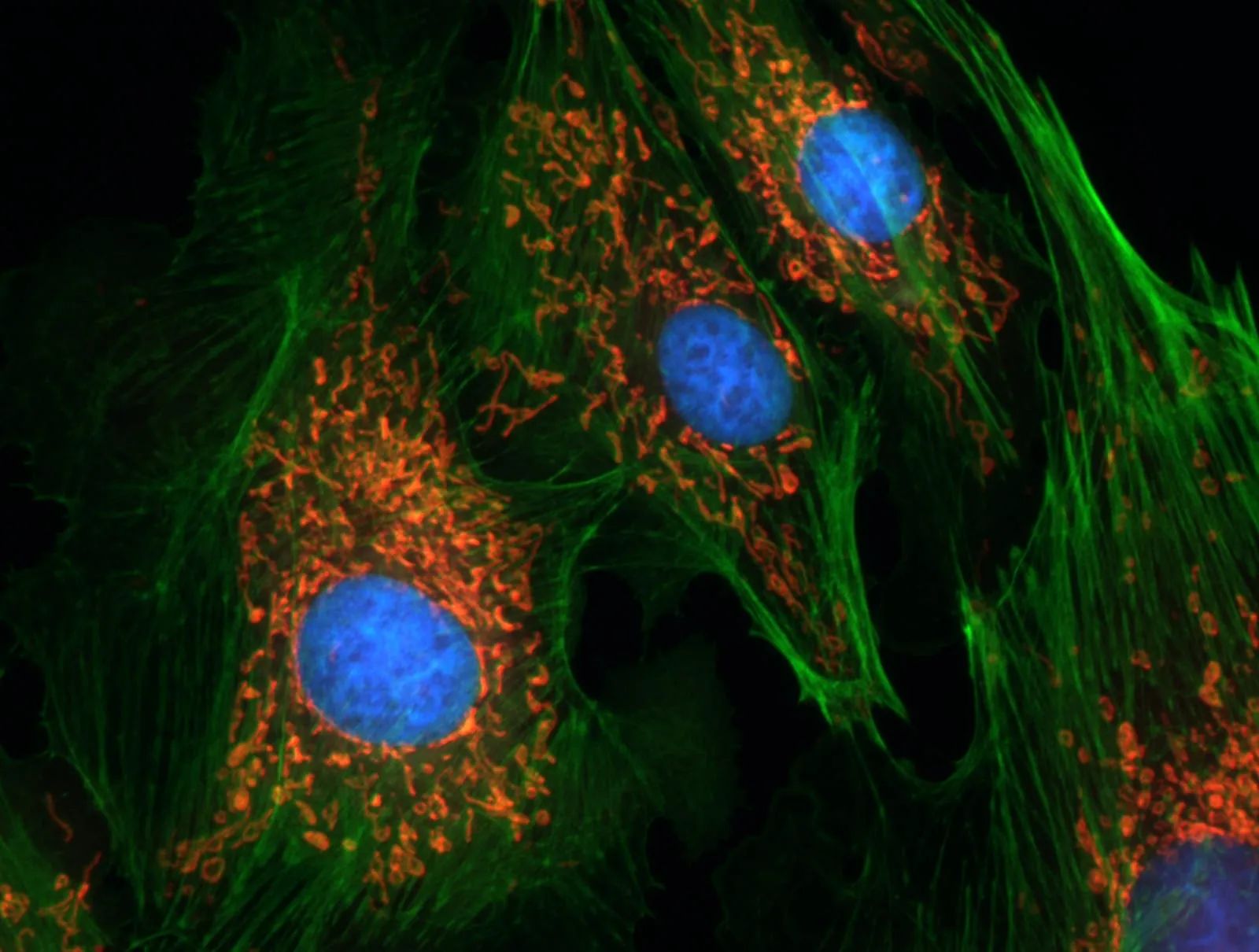
In organisms called eukaryotes, DNA sits in a special part of the cell called the nucleus. Cells are tiny and each one holds many DNA molecules, so every molecule has to be packed away tightly. This packed form of DNA is called a chromosome.
When DNA replicates, it unwinds so that it can be copied. At other stages of the cell cycle, DNA also unwinds, which lets the cell read its instructions to build proteins and carry out other biological jobs. During cell division, though, DNA is in its compact chromosome form so that it can be passed on to new cells. The whole set of nuclear DNA in an organism is known as its genome.
Beyond the nucleus, and inheritance
A small amount of DNA also sits in mitochondria, structures inside the cells of humans and other complex organisms. In sexual reproduction, an organism gets half its nuclear DNA from its male parent and the other half from its female parent. They inherit all of their mitochondrial DNA from the female parent, because during fertilisation only egg cells keep their mitochondria and sperm cells do not.
What is DNA made of?
DNA is built from chemical building blocks called nucleotides. A nucleotide is made of three components: a phosphate group, a sugar group and one of four nitrogen bases. Nucleotides contain one of four bases: adenine (A), thymine (T), guanine (G) or cytosine (C). The order of these bases determines which biological instructions a strand of DNA holds.
The genome, a human’s complete DNA instruction book, contains about 3 billion bases and about 20,000 genes spread over 23 pairs of chromosomes. Human DNA is made of about 3 billion bases, and more than 99 percent of them are the same in all people.
The double helix
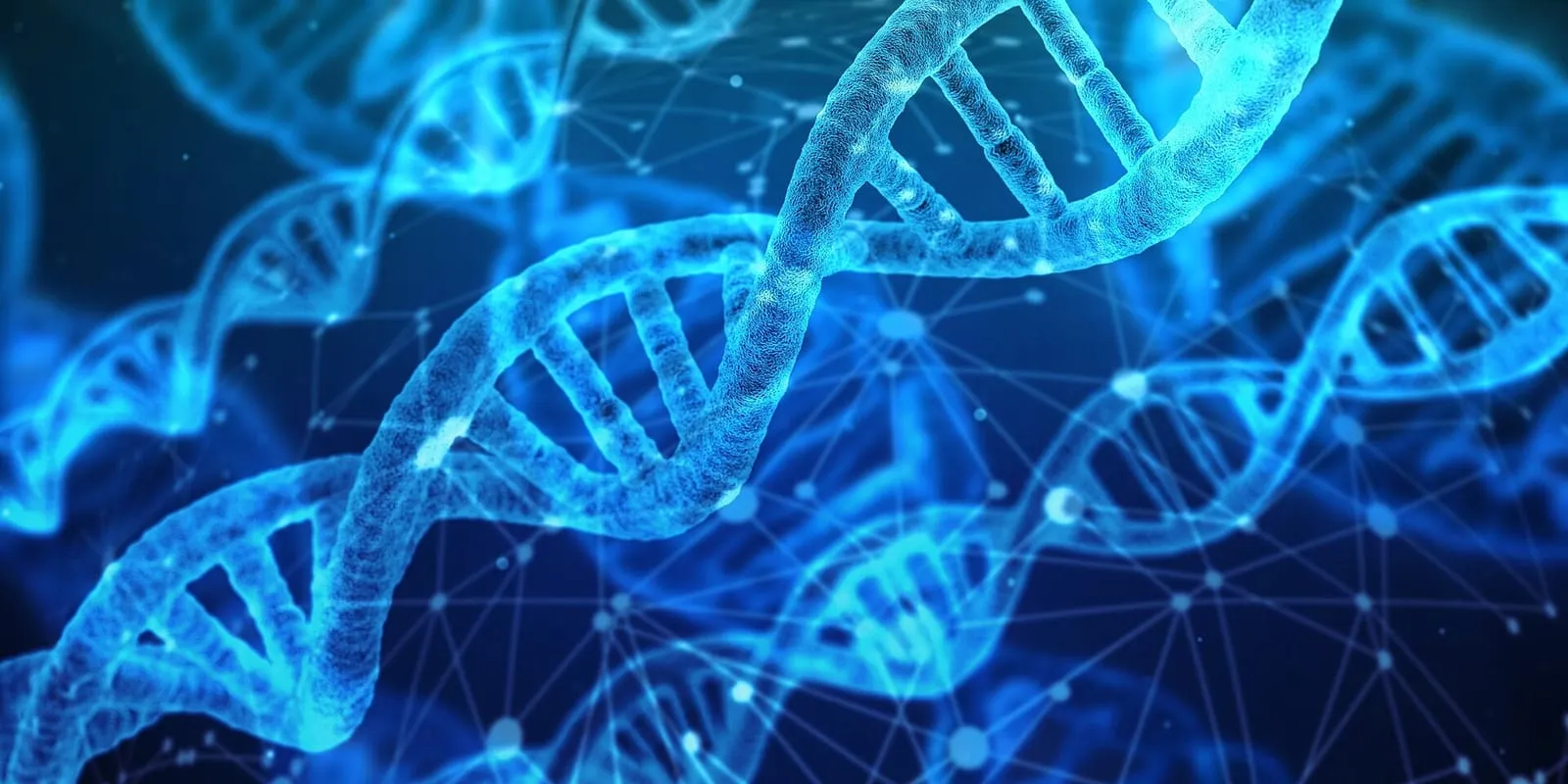
Bases link up in fixed pairs, A with T and C with G, creating units known as base pairs. Two long strands of nucleotides coil around each other into a spiral known as a double helix. The double helix looks somewhat like a ladder: the base pairs form its rungs, and the sugar and phosphate molecules form its vertical sides.
How does DNA copy itself?
One key feature of DNA is replication: it can make copies of itself. Each strand of the double helix can act as a template for copying the sequence of bases. This matters when cells divide, because every new cell needs a complete copy of the DNA in the old cell.
What is DNA for?
DNA holds the instructions an organism needs to develop, survive and reproduce. To be useful, DNA sequences must be turned into messages that cells can use to build proteins, the complex molecules that carry out most of the work in our bodies. Every DNA sequence that carries instructions for making a protein is called a gene.
Genes make up only about 1 percent of the DNA sequence. The DNA sequences outside that 1 percent help regulate when, how and how much of a protein is made.
Making proteins: two steps
Turning DNA’s instructions into proteins happens in two stages. In the first, enzymes read a DNA molecule and write out the information as a go-between molecule known as messenger ribonucleic acid (mRNA). In the second, the mRNA’s information is translated into the “language” of amino acids, which proteins are built from. There are 20 types of amino acids, and they can be arranged in many different orders to form a wide variety of proteins.
The discovery of DNA
The Swiss biochemist Miescher first observed DNA in the late 1800s. However, nearly a century passed between that discovery and the moment researchers worked out the structure of the DNA molecule and grasped its central importance in biology. Many scientists felt DNA was far too simple a molecule for so critical a job.
DNA’s importance became clear in 1953, thanks to the work of researchers. Researchers studied X-ray diffraction patterns and built models, and from these they deduced that DNA has a double helix structure. This double helix allows DNA to carry biological information from one generation to the next.
Test yourself
Three questions from the article. Pick an answer to find out.
Question 1 of 3
Which four nitrogen bases are found in DNA?
Nucleotides contain one of four bases: adenine (A), thymine (T), guanine (G) or cytosine (C). Source: Genome.gov
Show answer
Right answer: Adenine, thymine, guanine and cytosine
Nucleotides contain one of four bases: adenine (A), thymine (T), guanine (G) or cytosine (C). Source: Genome.gov
Question 2 of 3
How much of the DNA sequence do genes make up?
Genes make up only about 1 percent of the DNA sequence. Source: Genome.gov
Show answer
Right answer: Only about 1 percent
Genes make up only about 1 percent of the DNA sequence. Source: Genome.gov
Question 3 of 3
Who do organisms inherit their mitochondrial DNA from?
Only egg cells keep their mitochondria during fertilisation, so all mitochondrial DNA comes from the female parent. Source: Genome.gov
Show answer
Right answer: All of it from the female parent
Only egg cells keep their mitochondria during fertilisation, so all mitochondrial DNA comes from the female parent. Source: Genome.gov