Asteroid, meteorite or comet: what is the difference?
What is the difference between an asteroid, a comet and a meteor?
Asteroids are rocky, comets are icy, and meteors are far smaller: they are the shooting stars you see in the night sky.
What is an asteroid?
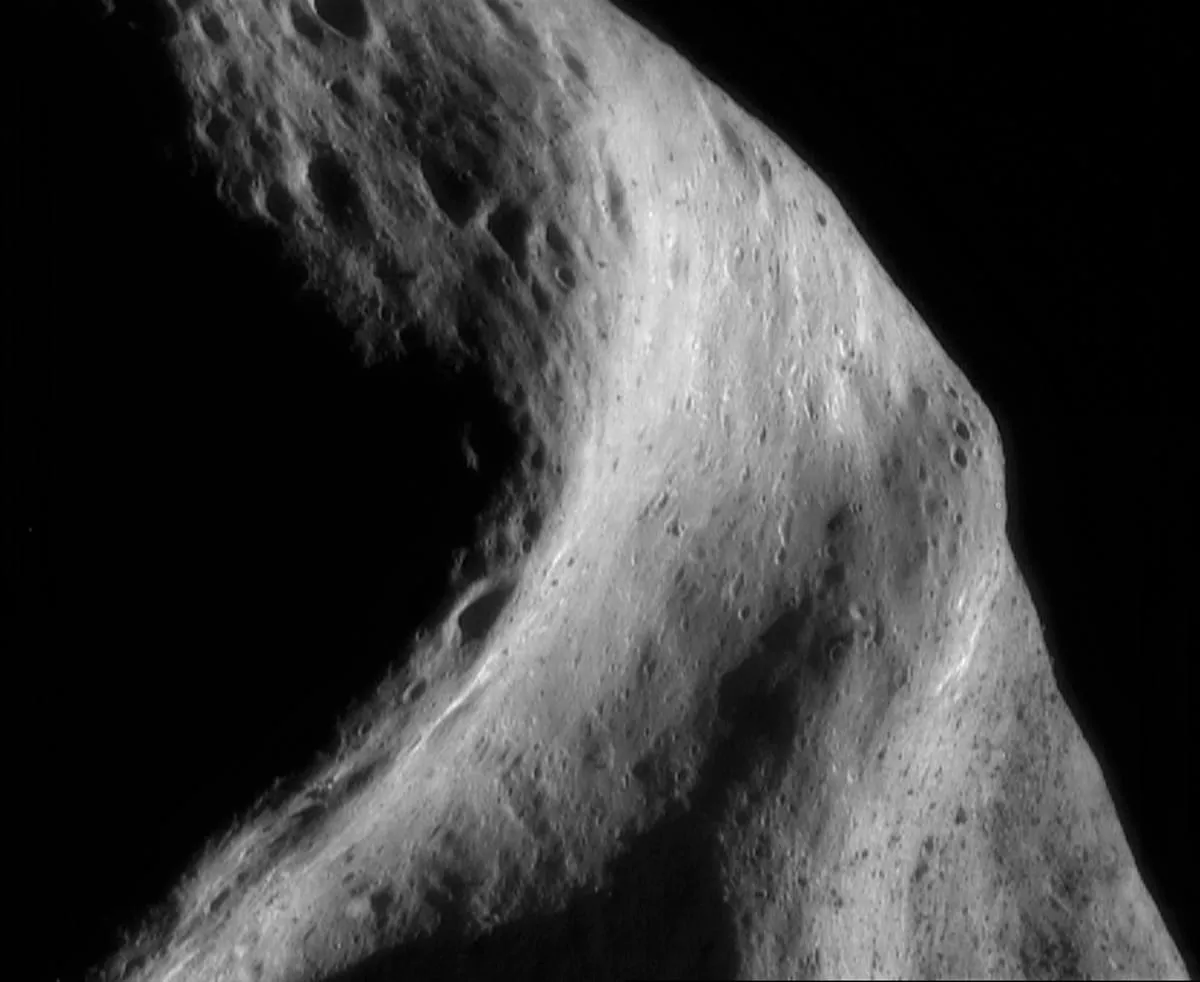
An asteroid is a small, rocky body that orbits the Sun. Asteroids are smaller than planets but larger than the pebble-sized objects called meteoroids. The bulk of the asteroids in our solar system sit in the main asteroid belt, which lies between the orbits of Mars and Jupiter.
Asteroids can turn up elsewhere in the solar system too; some, for example, circle the Sun on paths that bring them close to Earth. Through a telescope, an asteroid looks like a point of light. Asteroids come in different shapes, with round ones and elongated ones, and a few of them have a moon of their own. Asteroids formed in the early days of the solar system, about 4.6 billion years ago.
What is a comet?
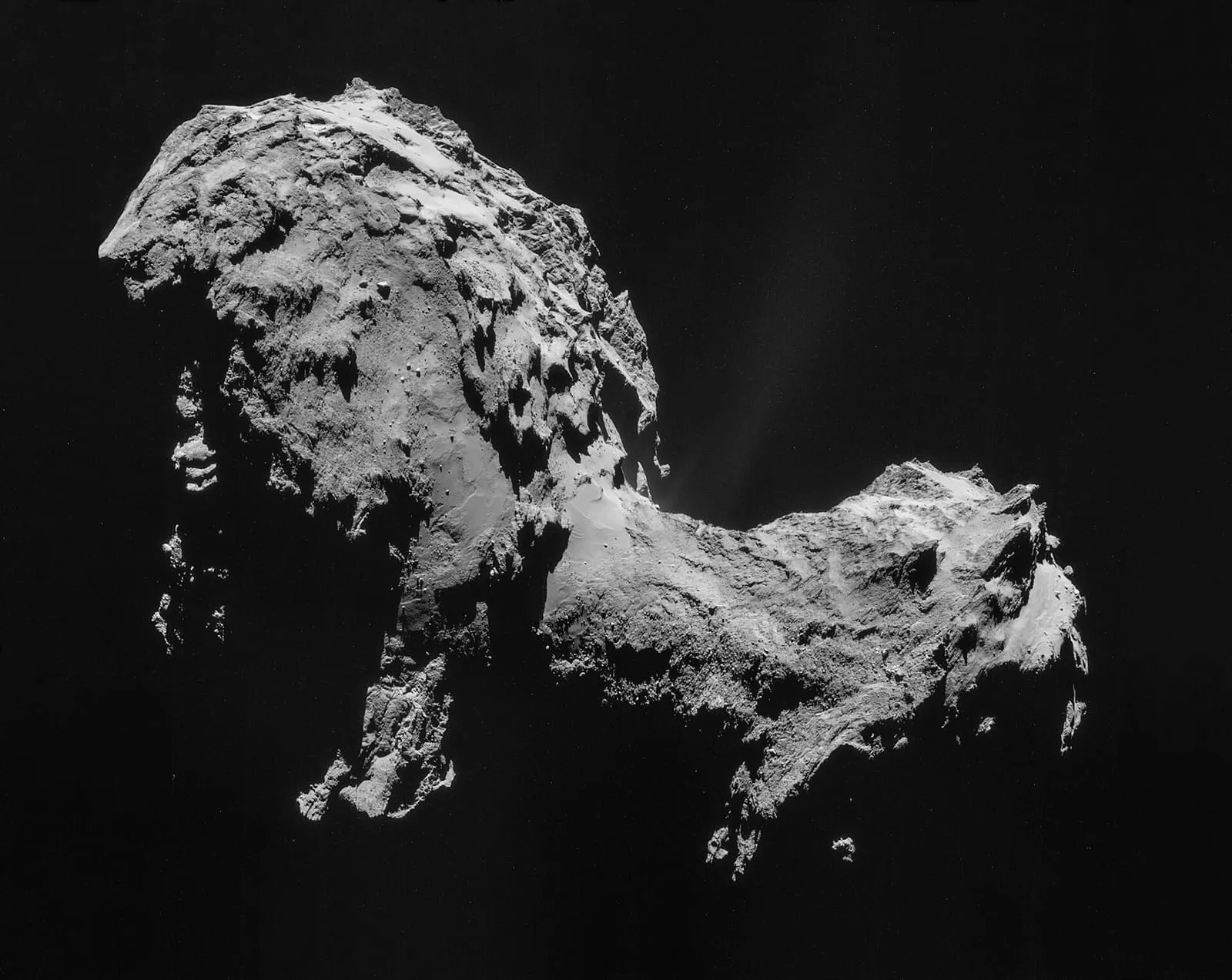
Like asteroids, comets orbit the Sun, but they are made of ice and dust rather than rock. As a comet’s orbit carries it towards the Sun, the ice and dust begin to turn to vapour. That vapourising ice and dust becomes the comet’s tail.
Through a telescope, a comet looks fuzzy and/or has a tail. You can spot a comet even when it is still very far from Earth.
What is a meteoroid?
A meteoroid is a small fragment of an asteroid or a comet. It is usually about the size of a pebble, though it can be a little smaller or a little larger. Meteoroids most often come from collisions.
When one asteroid hits another, small pieces can break off, and these pieces are called meteoroids. Comets can shed meteoroids as well.
Meteoroids are rocks in space of all sizes, from specks of dust up to small asteroids. The word is used only while the rocks are still in space. Most meteoroids are fragments that broke off, or were thrown out, of other and larger bodies. Some come from comets, some from asteroids, and some even from the Moon and other planets. Some meteoroids are rocky, some are metallic, and some are a mix of rock and metal.
What is a meteor?
When a meteoroid gets close to Earth and enters our atmosphere, it is called a meteor. A meteor enters the atmosphere at very high speed, so it burns up and leaves a streak of light known as a shooting star.
Their glowing streaks earn them the nickname shooting stars, yet a meteor has nothing to do with a star. Meteors leave a streak of light across the sky, so they are sometimes mistaken for comets, but the two are very different. When you see a meteor, it is inside our own atmosphere.
Sometimes meteors look brighter than Venus; these are called fireballs. Scientists estimate that about 48.5 tonnes (44,000 kilograms) of meteorite material falls on Earth every day.
What is a meteorite?
If a meteor survives the burn and reaches the ground, it is called a meteorite. Meteorites are usually somewhere between the size of a pebble and a fist.
Space rocks smaller than a football pitch mostly break up as they pass through Earth’s atmosphere. Usually less than 5 percent of the original object reaches the ground.
The meteorites that have been found on Earth mostly originate from shattered asteroids, although a few are pieces of Mars or the Moon. There are three main types of meteorite: iron, stony and stony-iron.
What is a meteor shower?
On most clear nights you can see a few meteors an hour. When there are many more, it is called a meteor shower. Some meteor showers happen every year or at regular intervals, when Earth passes through the trail of dusty debris left behind by a comet (and, in a few cases, by asteroids).
The Perseid meteor shower peaks around 12 August every year. Each Perseid meteor is a tiny piece of Comet Swift-Tuttle, which passes the Sun once every 135 years. Most of this debris is anywhere from a grain of sand to a pea in size, and the atmosphere consumes it before it can reach the ground.
Don’t count on finding a meteorite after a shower, because most showers originate from comets, and a comet’s material is rather fragile.
Test yourself
Three questions from the article. Pick an answer to find out.
Question 1 of 3
Where in the Solar System are most asteroids found?
Most of the asteroids in our Solar System sit in the main asteroid belt, the region between Mars and Jupiter. Source: NASA
Show answer
Right answer: In the main asteroid belt between Mars and Jupiter
Most of the asteroids in our Solar System sit in the main asteroid belt, the region between Mars and Jupiter. Source: NASA
Question 2 of 3
What are comets made of?
Comets circle the Sun like asteroids do, but they are made of ice and dust rather than rock. Source: NASA
Show answer
Right answer: Ice and dust
Comets circle the Sun like asteroids do, but they are made of ice and dust rather than rock. Source: NASA
Question 3 of 3
What is a meteor that survives burning up and lands on the ground called?
When a meteor does not burn up completely and reaches the ground, the piece left is called a meteorite. Source: NASA
Show answer
Right answer: A meteorite
When a meteor does not burn up completely and reaches the ground, the piece left is called a meteorite. Source: NASA