How do diamonds form?
What is a diamond?
A diamond is a solid form of carbon with its own distinctive cubic crystal structure. Diamonds count among the oldest materials found on Earth; some are as much as 3.5 billion years old.
How deep do diamonds form?
Diamonds often crystallise about a hundred miles below the surface. They form in regions called the cratonic roots of the continents, which are ancient, rigid belts of mantle that support the land masses above. Some diamonds come from as deep as 500 to 600 miles.
These depths lie far beyond anywhere people can reach: the deepest drill hole ever made is only a little over 7.6 miles deep. Nobody has ever travelled to the underground world where diamonds form; researchers study it through various indirect measurements.
How does carbon become a diamond?
A diamond forms from carbon squeezed under intense pressure and heat deep in the Earth. Super-deep diamonds form under pressures of up to 240,000 times atmospheric pressure at sea level. They grow from carbon-rich fluids that dissolve minerals, take their place and, over time, turn into diamond.
The formation of many diamonds appears to be linked to subduction of the seafloor: a dense oceanic plate sinks beneath a less dense continental plate. The deeper the seafloor sinks, the hotter it gets, and fluids are squeezed out of its rocks and sediments. Diamonds crystallise from this salty, carbon-rich mixture seeping through the ground.
How do diamonds reach the surface?
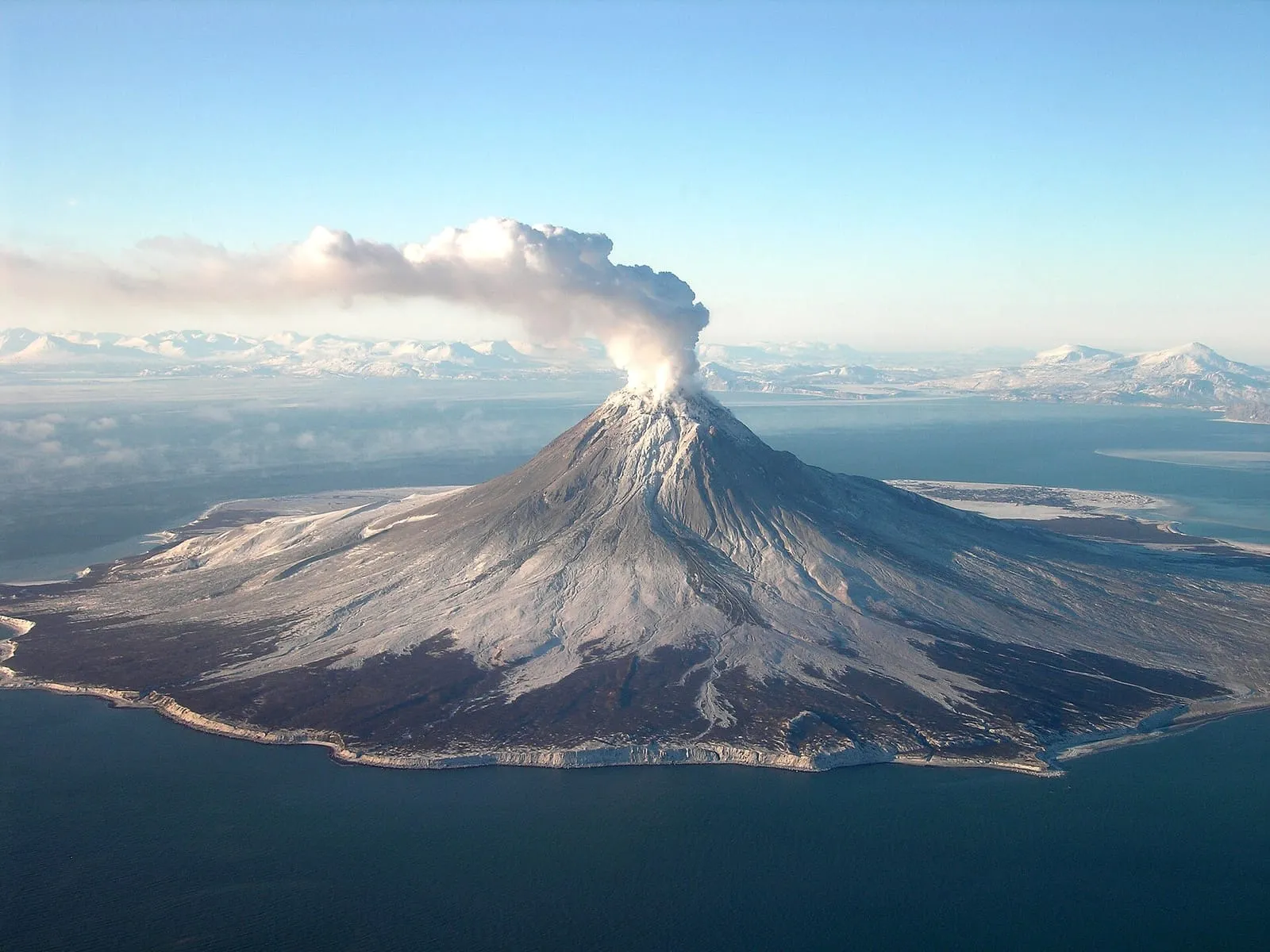
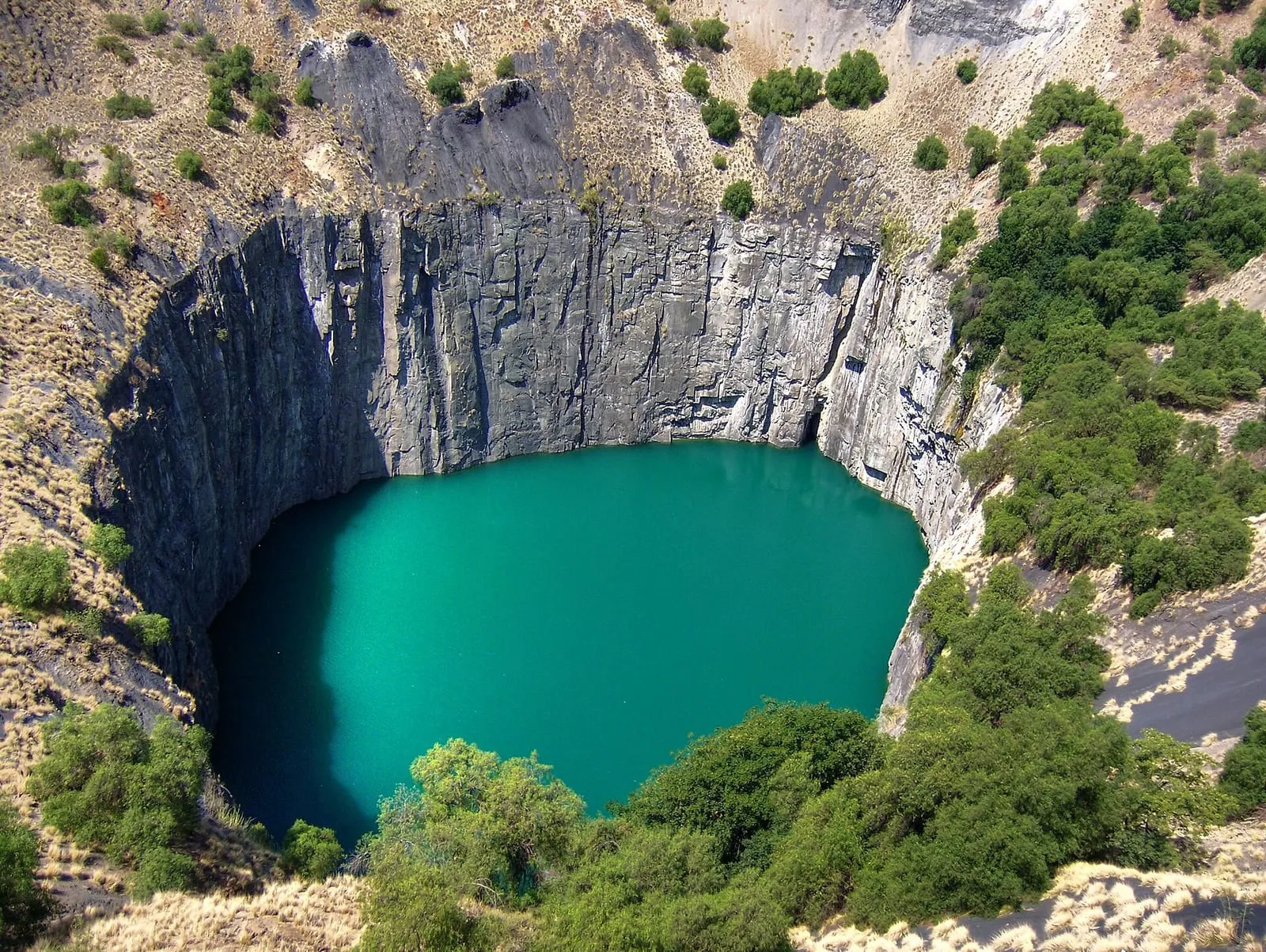
Diamonds are brought to the surface by rare volcanic eruptions that carry deep molten rock, known as kimberlite magma, upwards. This is how diamonds are blasted up to the surface through pipes of kimberlite. Kimberlites take their name from the deposits in South Africa where they were first found, and they form deep in the Earth’s mantle.
Diamonds thrown up by these eruptions end up inside igneous rocks called kimberlite (bluish in tone, with coarse grains) and lamproite. Diamonds that nature has carried elsewhere after reaching the surface are called alluvial diamonds. Canada’s Lac de Gras kimberlite field is one place where diamonds have been pushed up towards the surface.
Clues inside diamonds
Fragments of minerals trapped inside diamonds, known as inclusions, let researchers work out a diamond’s age and the depth at which it formed. Blue diamonds get their colour from boron, which is present in the mantle in trace amounts.
Fabrizio Nestola and colleagues found inside one diamond a mineral that is thought to rank fourth in abundance on Earth, yet had never been found in nature before. Oliver Tschauner and colleagues found, inside several deep diamonds, a type of ice called ice-VII, which forms only under the extreme pressure deep underground. In Russia’s Yakutia region, a small diamond was found trapped inside a larger one.
Are there diamonds in space too?
Diamonds are not unique to Earth. They occur in meteorites in very small sizes. According to researchers, lightning storms on the gas giants turn methane into soot; as this carbon falls, it turns first into graphite and then into diamond under great pressure.
Test yourself
Three questions from the article. Pick an answer to find out.
Question 1 of 3
Which element is diamond a solid form of?
Diamond is a solid form of carbon with its own distinctive cubic crystal structure. Source: NASA Astrobiology
Show answer
Right answer: Carbon
Diamond is a solid form of carbon with its own distinctive cubic crystal structure. Source: NASA Astrobiology
Question 2 of 3
How are diamonds brought up from deep underground to the surface?
Diamonds reach the surface in rare volcanic eruptions that carry kimberlite magma from deep underground. Source: National Geographic
Show answer
Right answer: By rare volcanic eruptions that carry deep kimberlite magma upwards
Diamonds reach the surface in rare volcanic eruptions that carry kimberlite magma from deep underground. Source: National Geographic
Question 3 of 3
What event does the formation of many diamonds appear to be linked to?
The formation of many diamonds appears to be linked to subduction, where a dense oceanic plate sinks beneath a less dense continental plate. Source: National Geographic
Show answer
Right answer: An oceanic plate sinking beneath a continental plate
The formation of many diamonds appears to be linked to subduction, where a dense oceanic plate sinks beneath a less dense continental plate. Source: National Geographic