Can earthquakes be predicted in advance?
Verdict: no
Not one scientist has ever predicted a major earthquake in advance. We do not know how it could be done, and we do not expect to find out any time soon.
Scientists can only work out how likely it is that a significant earthquake will strike a particular area within a certain number of years. A proper earthquake prediction must pin down three things: the date and time, the location and the magnitude.
Prediction, forecast and early warning
A prediction means saying when, where and how big an earthquake will be, and that is not yet possible. If there is a scientific basis, a forecast can be given in terms of probability. An early warning, by contrast, is a message sent out after an earthquake has already begun.
Why are such predictions not scientific?
Statements by people who claim to predict earthquakes rest on no scientific evidence. Earthquakes have nothing to do with clouds, aches and pains in the body, or slugs. These statements do not name all three things a prediction needs. They are also so vague that some earthquake will always fit. If an earthquake comes along that loosely matches, the predictors claim success even when one or more of the details were far off.
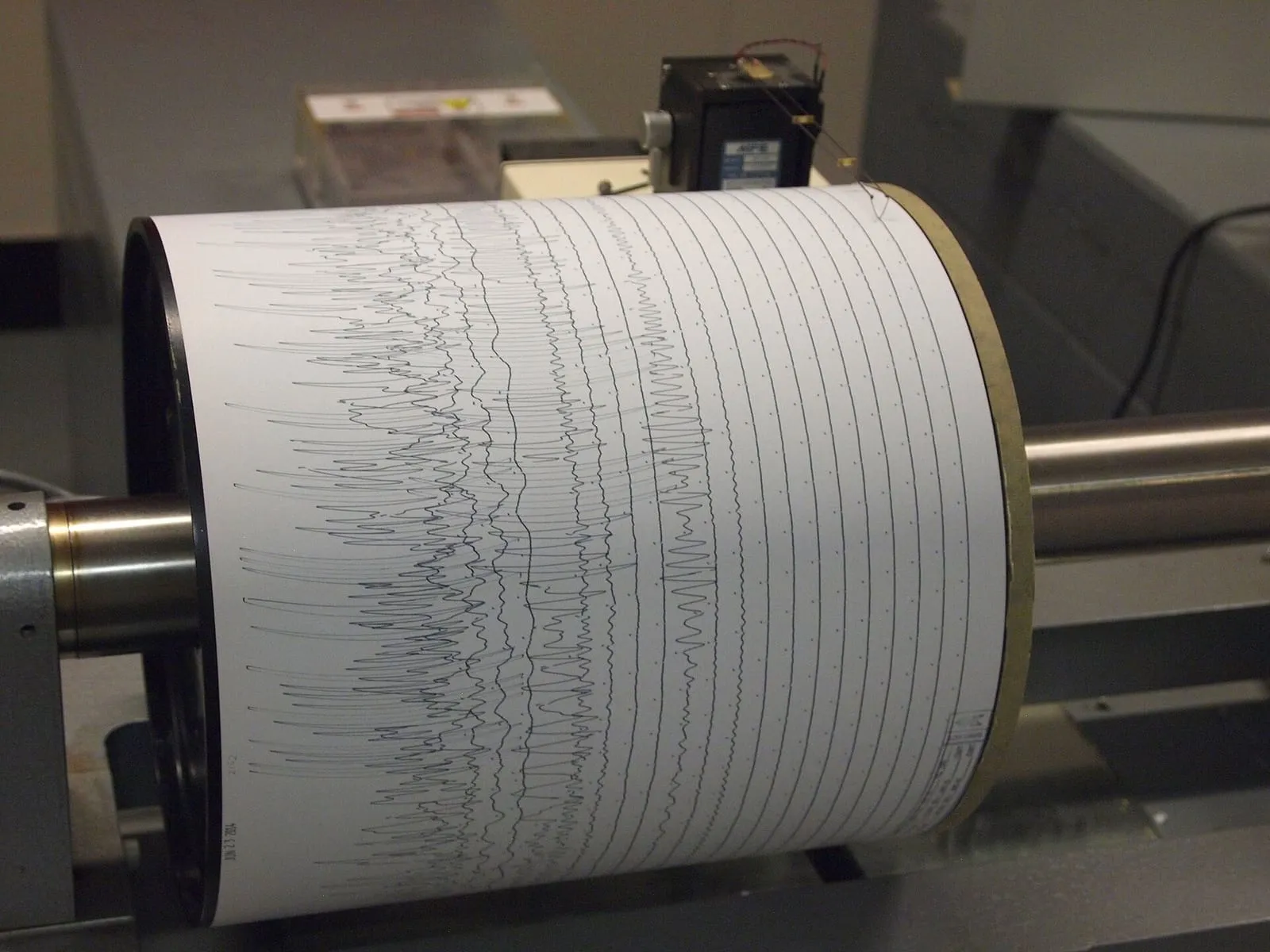
So-called warning signs
Predictions by non-scientists tend to start circulating on social media after something happens that is believed to be a sign of an earthquake soon to come. The usual supposed signs are a cluster of small earthquakes, more radon in local water and animals behaving strangely. Most of these signs show up again and again without an earthquake following, which is why predicting an earthquake in advance is not possible.
The symptoms some people say they feel before an earthquake have no scientific explanation. More often than not, no earthquake follows them.
A short-lived rise or fall in seismicity is part of the normal ups and downs of earthquake rates. Neither a rise nor a fall across the world is a reliable sign that a large earthquake is about to happen.
Animals and old forecasts
The oldest known record of unusual animal behaviour before an earthquake comes from Greece in 373 BC. According to it, rats, weasels, snakes and centipedes left their homes several days before a destructive earthquake.
A forecast was issued in China a few decades ago, based on small earthquakes and odd animal behaviour. Many people chose to sleep outdoors and were unharmed when the main earthquake did strike. Yet a large earthquake seldom follows this kind of activity, and most earthquakes have no warning events at all. China’s next big earthquake had no warning signs.
What are scientists focusing on?
The effort goes less into short-term prediction and more into reducing earthquake hazards over the long term and making buildings safer.
Test yourself
Three questions from the article. Pick an answer to find out.
Question 1 of 3
Which three things must an earthquake prediction specify?
An earthquake prediction must pin down three things: the date and time, the location and the magnitude. Source: USGS
Show answer
Right answer: The date and time, the place and the magnitude
An earthquake prediction must pin down three things: the date and time, the location and the magnitude. Source: USGS
Question 2 of 3
Have scientists so far been able to predict a major earthquake in advance?
No scientist has ever predicted a major earthquake in advance. Source: USGS
Show answer
Right answer: No, they have not predicted any major earthquake
No scientist has ever predicted a major earthquake in advance. Source: USGS
Question 3 of 3
When is an earthquake early warning sent?
An early warning is a message sent out after an earthquake has already begun. Source: USGS
Show answer
Right answer: After the earthquake has begun
An early warning is a message sent out after an earthquake has already begun. Source: USGS