How do clouds form?
What is a cloud?
Many people think clouds are made only of water vapour (a gas), but that is not quite true. Water vapour is invisible and is always around us in the air. Clouds appear when there is more water vapour than the air can hold.
Water vapour (a gas) condenses into tiny water droplets (a liquid), and it is this water that makes a cloud visible. The droplets are so small that they stay suspended in the air. The diameter of a water droplet is only about one hundredth of a millimetre, but a cloud is made of a vast number of them.
What happens when air rises?
When air rises it cools, much as the air gets colder when you climb a mountain. Cold air holds less water vapour than warm air, so the cooling air eventually reaches saturation and its water vapour condenses. Condensation is the change from a gas into a liquid, much like the mist that forms on a cold window.
When water vapour turns to liquid in the sky, a great many tiny water droplets form, clinging to particles of dust. This mass of droplets hanging in the air becomes visible as the cloud we see.
If the cloud is high enough and the air is cold enough, the cloud is made of tiny ice crystals. A cloud made of ice crystals looks thin and feathery.
How else do clouds form?
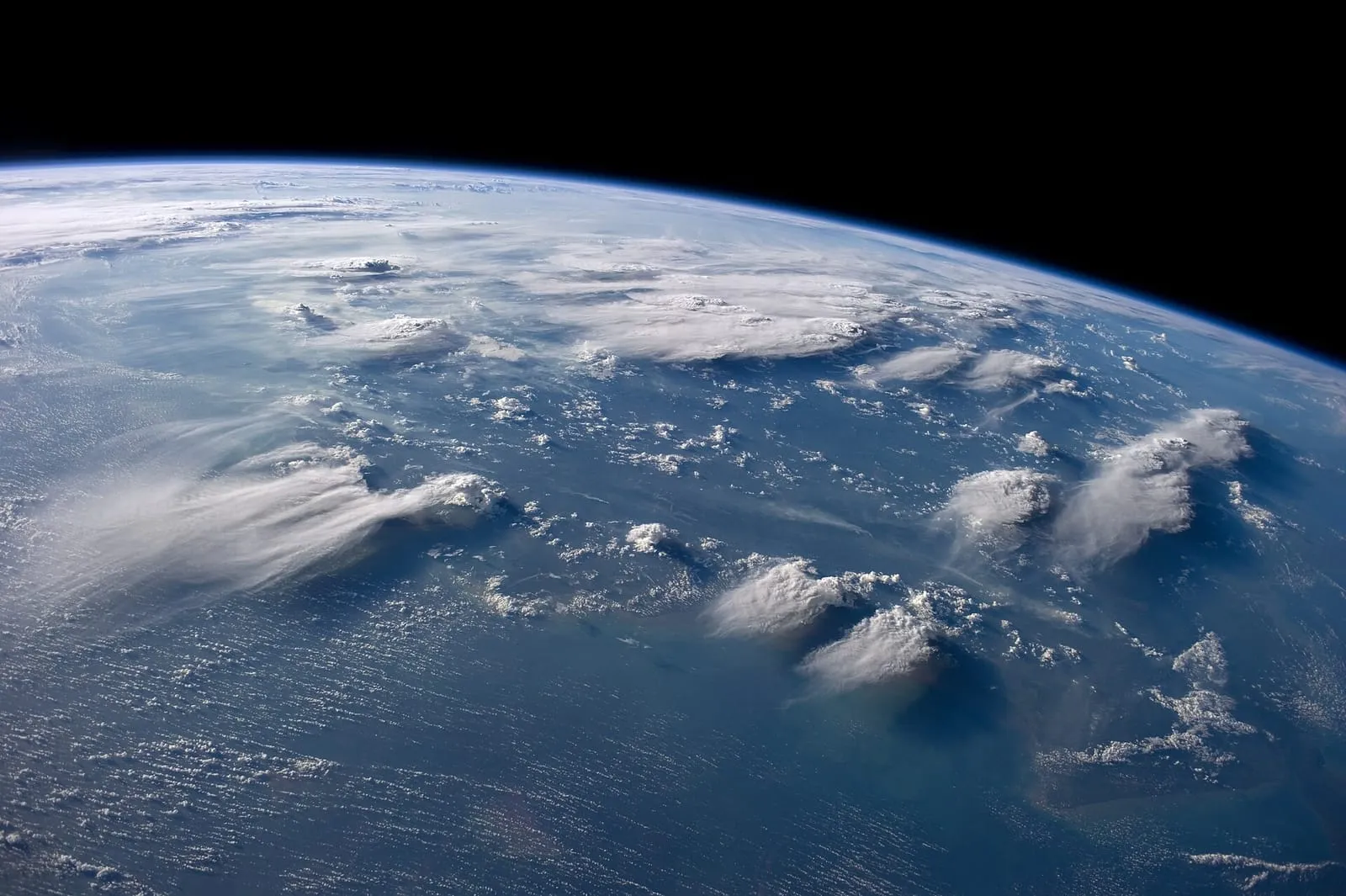
Clouds can also form when more water vapour is added to the air; for example, air passing over a lake can pick up moisture.
Why does air rise?
The Sun heats the ground, and the ground heats the air just above it, making it rise up into the sky. Cumulus clouds usually form this way.
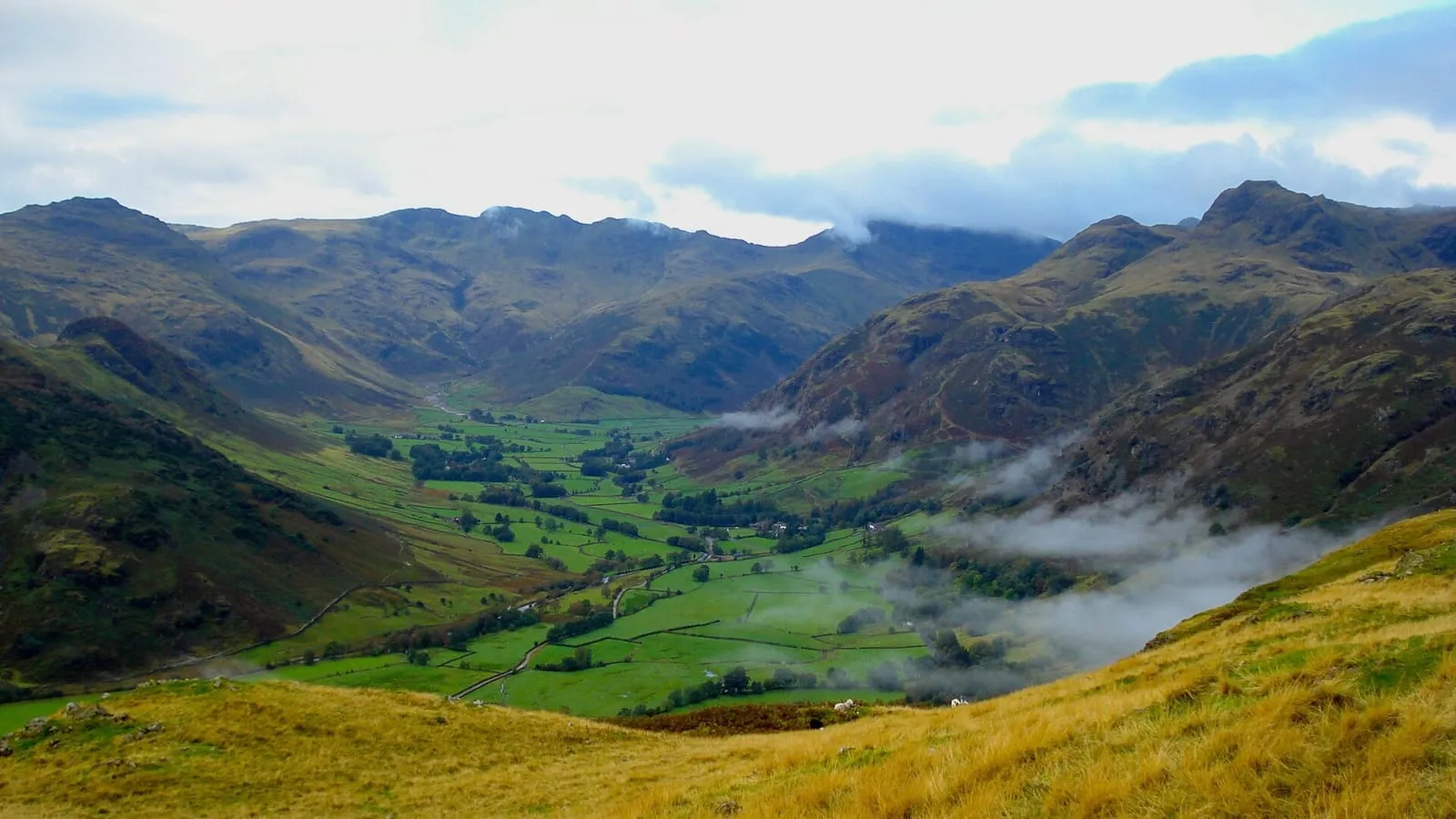
When air heads towards a mountain or hill it cannot pass through, so it rises along the terrain. Stratus clouds often form this way.
At a weather front, warm air runs into cold air. The lighter warm air is pushed above the cold air. Nimbostratus clouds, among others, form in this way.
When air currents flowing towards each other from different directions meet, they are forced to rise. This can lead to cumulus clouds and showery conditions.
An abrupt shift in wind speed at height can set up air circulations that lift surface air high into the sky.
How are clouds named?
In 1802, Luke Howard, a London pharmacist and amateur meteorologist, was the first to propose sorting clouds into types. His system divides clouds into three main types: stratus, cumulus and cirrus. Howard’s classification was later extended, and clouds were divided into 10 main groups. These groups are usually split into three levels, according to which part of the atmosphere they are found in.
Stratus clouds spread out as a long, low, grey layer with an almost even base. Most cloud names come from Latin.
Stratus describes flat, layered clouds. Cumulus describes heaped, cauliflower-like fluffy clouds. Cirrus describes high, wispy clouds. Nimbus means a cloud that brings rain.
Nimbostratus is a flat, layered cloud that carries the potential for rain.
Test yourself
Three questions from the article. Pick an answer to find out.
Question 1 of 3
What does condensation mean in the formation of a cloud?
Condensation is the change from a gas into a liquid, much like the mist that forms on a cold window. Source: Met Office
Show answer
Right answer: A gas turning into a liquid
Condensation is the change from a gas into a liquid, much like the mist that forms on a cold window. Source: Met Office
Question 2 of 3
Which statement about the classification of clouds into types is correct?
Luke Howard, a London pharmacist and amateur meteorologist, was the first to propose sorting clouds into types, in 1802. Source: Met Office
Show answer
Right answer: It was first proposed by Luke Howard
Luke Howard, a London pharmacist and amateur meteorologist, was the first to propose sorting clouds into types, in 1802. Source: Met Office
Question 3 of 3
Which statement about the water droplets that make up a cloud is correct?
The diameter of a water droplet is only about one hundredth of a millimetre, but a cloud is made of a vast number of them. Source: Met Office
Show answer
Right answer: Their diameter is about one hundredth of a millimetre
The diameter of a water droplet is only about one hundredth of a millimetre, but a cloud is made of a vast number of them. Source: Met Office