How do tides work?
What creates tides?
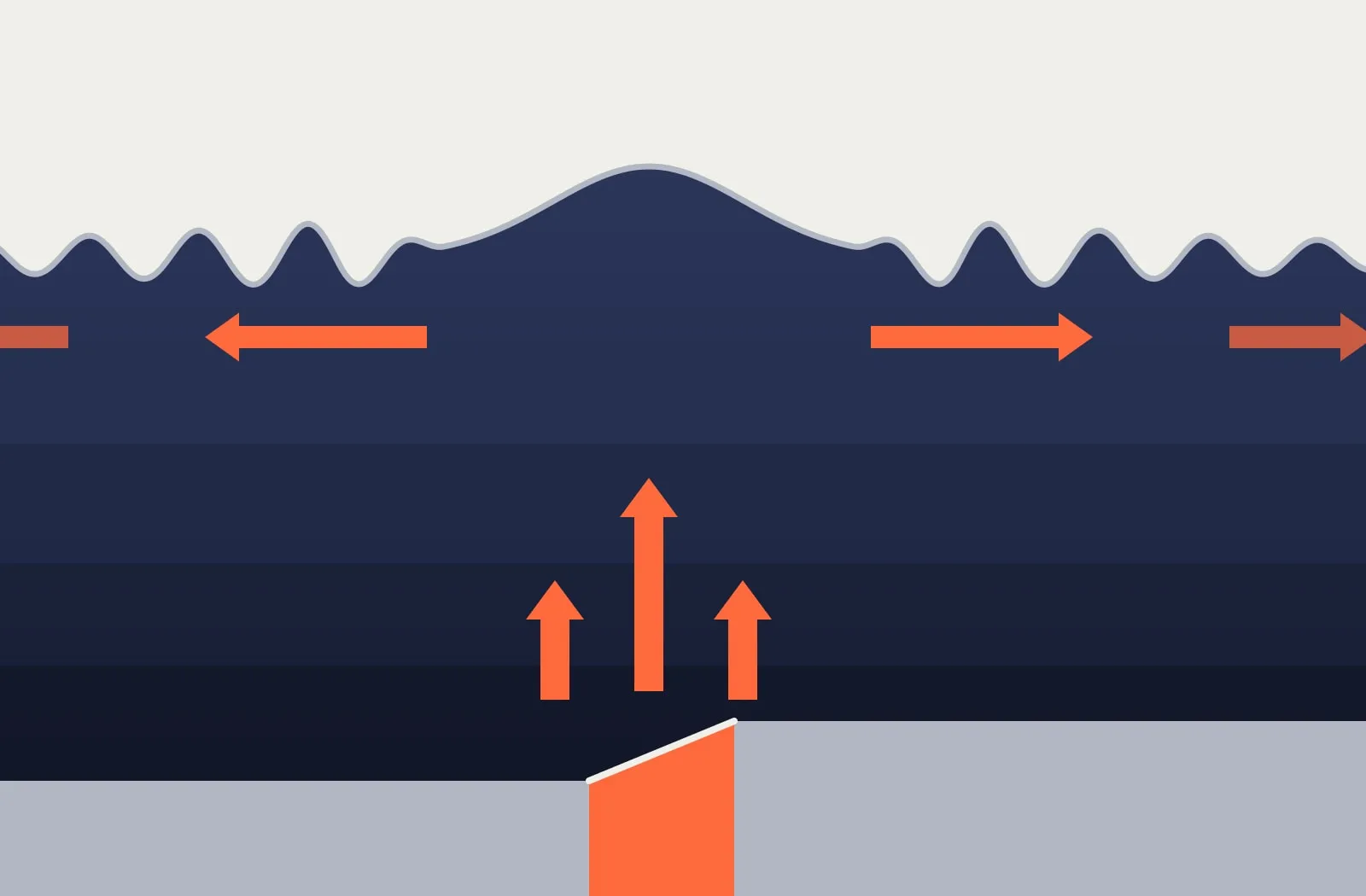
Gravity is among the main forces behind tides. In 1687, Isaac Newton explained that ocean tides come from the pull of the Sun and Moon on Earth’s oceans. Tides are the result of forces acting on the movement of Earth’s oceans.
Most people assume tides are regular and predictable. They are the rise and fall of coastal waters as the Moon and Sun tug on them, and sailors’ tide tables can forecast them down to the minute. The regular lunar tide happens about twice a day.
Why does the Moon beat the Sun?
The bigger the objects and the closer they are to each other, the stronger the gravitational pull between them. For tidal forces on Earth, the distance between two objects is usually more decisive than their masses. According to Newton’s law of universal gravitation, the pull between two objects grows with their masses and shrinks with the square of the distance between them.
The Sun is 27 million times more massive than the Moon, but it is 390 times farther from Earth than the Moon is. That is why the Sun’s tide-raising force is about half the Moon’s, and the Moon is the dominant force acting on Earth’s tides.
Tide-raising forces change in inverse proportion to the cube of the distance to the object causing the tide. Gravitational forces, by contrast, change only in inverse proportion to the square of the distance between objects.
Can tides change?
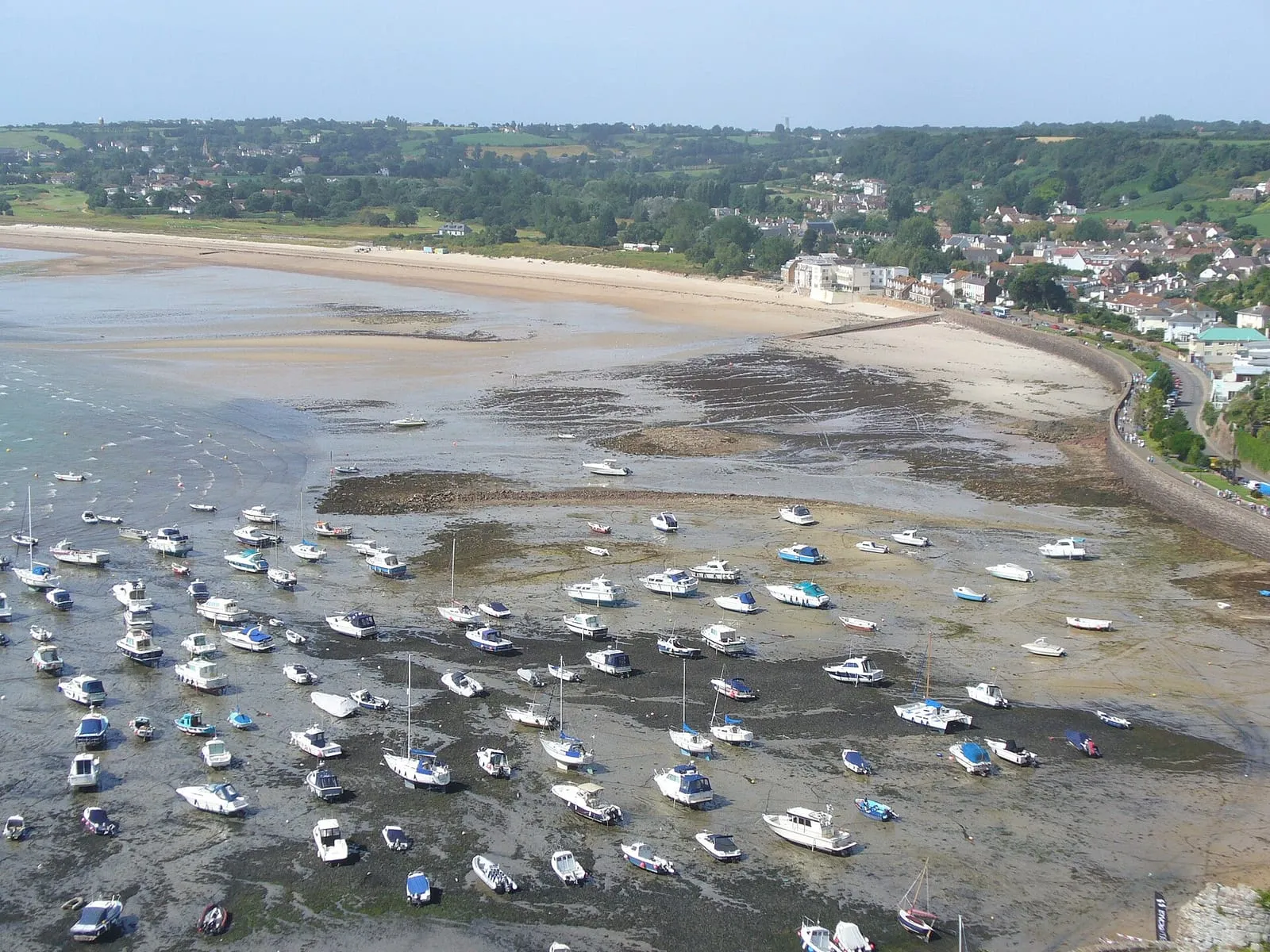
Oceanographers have only recently begun to notice that in many parts of the world, tides are changing markedly in ways that interactions between celestial bodies cannot explain. Dredging river channels such as the Ems, or filling in coastal wetlands, can shift tides. In some places the tidal range grows, while in others it shrinks.
Decades ago, engineers began dredging parts of the Ems so that newly built ships could sail from a shipyard farther upriver. Those changes altered the rhythm of the tides. The changing tides stirred up the sediment in the river and muddied the water. Over the last 120 years, the tidal range in the Ems estuary, meaning the difference between high and low tide, has increased fivefold.
Global warming is melting ice sheets and making the volume of the oceans expand. In many coastal cities, seawater now reaches higher than ever before. Perhaps the biggest worry is how changing tides could add to the risks of rising sea levels.
According to the oceanographer Ivan Haigh, if the tidal range is growing, that problem gets even worse. Shifting tides have major consequences for hundreds of millions of coastal residents.
Test yourself
Three questions from the article. Pick an answer to find out.
Question 1 of 3
Which force has the biggest influence on Earth's tides?
The Sun's tide-raising force is about half the Moon's, so the Moon is the dominant force. Source: NOAA
Show answer
Right answer: The Moon's influence
The Sun's tide-raising force is about half the Moon's, so the Moon is the dominant force. Source: NOAA
Question 2 of 3
What happened to the tidal range in the Ems estuary over the last 120 years?
In the Ems estuary, the tidal range has grown fivefold over the last 120 years. Source: BBC
Show answer
Right answer: It increased fivefold
In the Ems estuary, the tidal range has grown fivefold over the last 120 years. Source: BBC
Question 3 of 3
Which is usually more decisive for tidal forces on Earth?
For tidal forces, the distance between two objects is usually more decisive than their masses. Source: NOAA
Show answer
Right answer: The distance between the two objects
For tidal forces, the distance between two objects is usually more decisive than their masses. Source: NOAA