How do fossils form?
What is a fossil?
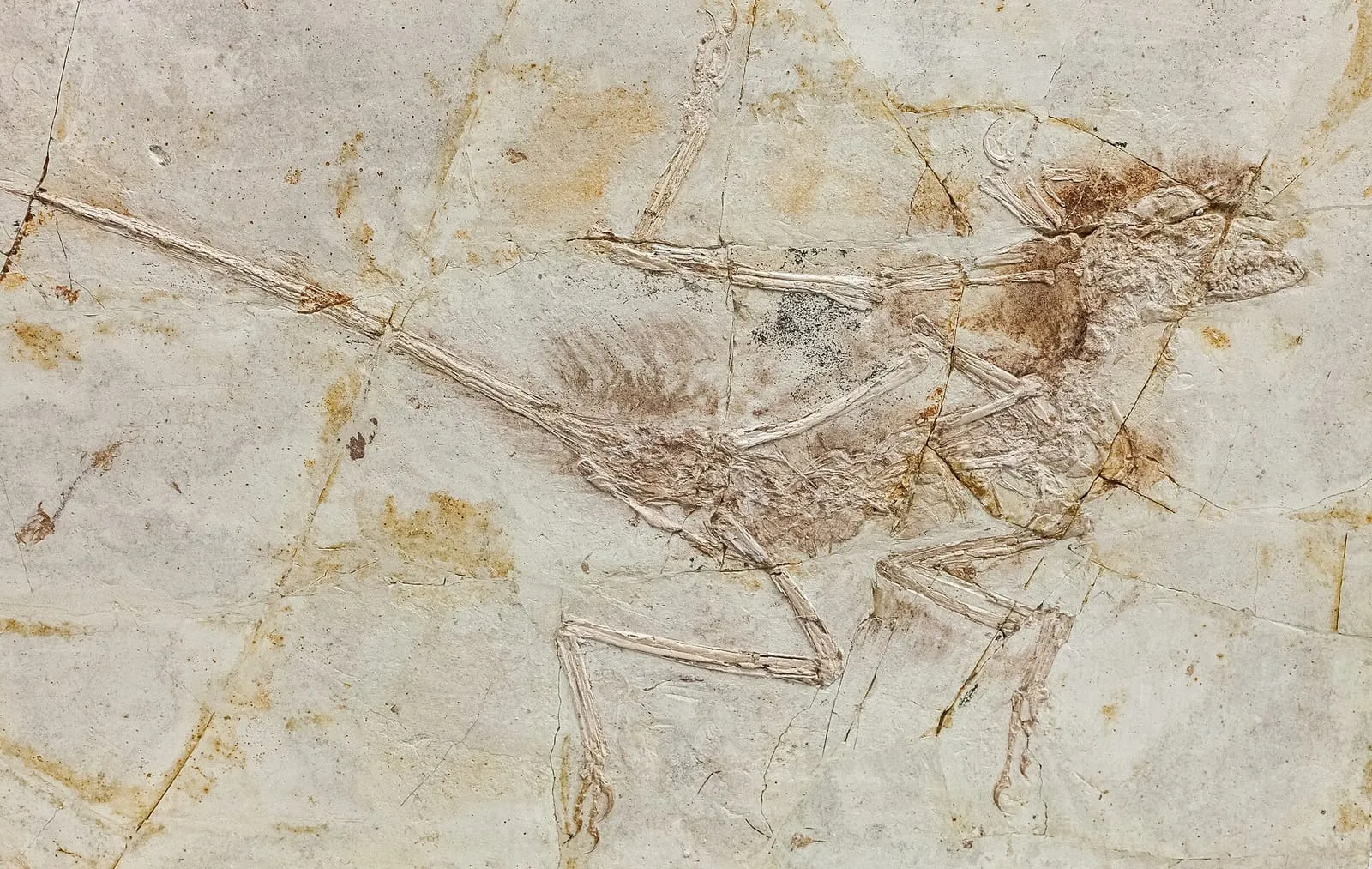
Fossils are preserved evidence of life in a geological setting. Sometimes the whole of an ancient organism, or part of it, survives as a fossil. Sometimes all that is left is a trace of the organism, such as a fossil footprint left in wet sand.
Why are the odds of fossilisation so low?
The chance of any individual organism fossilising is very small, though as a whole the fossil record gives a rich history of life on Earth. Even so, that record is incomplete.
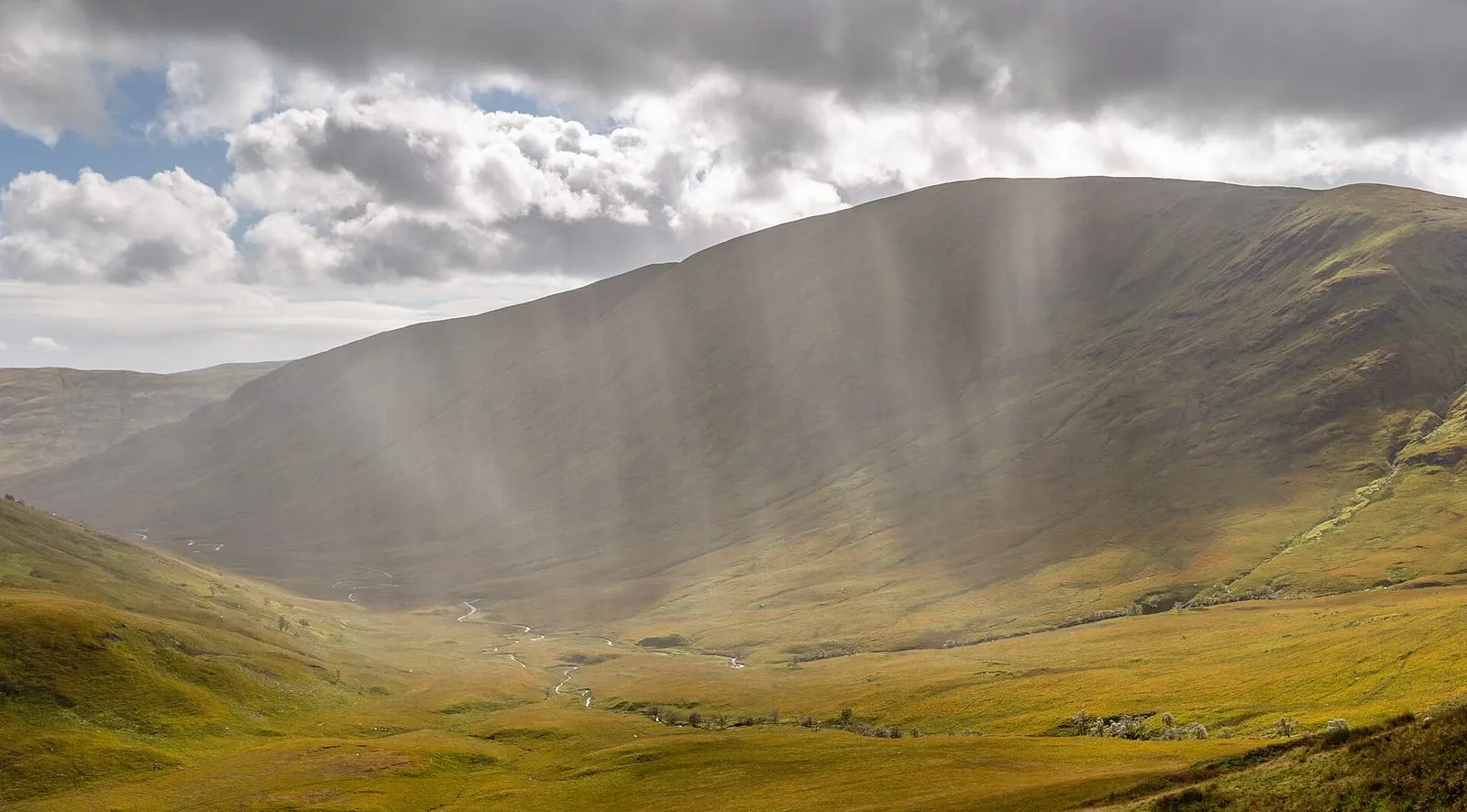
Fossils are far more likely to form if the organisms lived where sediment was actively building up. Fossils of creatures from marine environments, rivers and floodplains are much more common than those of creatures from mountainous terrain or other high ground.
Burial under sediment soon after an organism dies protects its remains from decay, weathering and scavengers. In the geological record, body fossils made of hard parts are far more common than those made of soft parts. Most body fossils are not the whole organism, only its toughest parts.
Types of fossil
Fossils fall into two main categories: body fossils and trace fossils. Remains of plants, animals and microorganisms that survive in a geological setting are called body fossils. Footprints and trails are typical trace fossils, while bones or petrified wood are body fossils.
How fossilisation happens
Permineralisation is when minerals fill the natural pores of the original organic material. Replacement, by contrast, is when inorganic minerals take the place of an organism’s hard parts after they have dissolved away. Recrystallisation is when one mineral is swapped for another with the same chemical makeup.
Natural moulds and casts of organisms, especially the hard parts of invertebrates, are an important way fossils are preserved. Impressions and compressions can keep the fine detail of every kind of organism. Drying, freezing, or being trapped in amber or natural asphalt can preserve the bodies of plants, vertebrates, invertebrates and microorganisms.
Why are soft parts so rare?
Bones and teeth often become fossils. Skin and organs rarely show up in the fossil record. Soft body parts are so delicate that they last in the record only in particularly unusual geological conditions. Organisms made entirely of fragile, non-resistant material, such as insects, jellyfish or various worms, leave a poor fossil record.
Taphonomy studies everything that happens to an organism from its death until it becomes a fossil. Occasionally, rare conditions come together to create exceptionally rich fossil deposits called Lagerstätten.
Test yourself
Three questions from the article. Pick an answer to find out.
Question 1 of 3
What raises a living thing's chances of fossilising?
Quick burial under sediment protects remains from decay, weathering and scavengers. Source: nps.gov
Show answer
Right answer: Being buried under sediment soon after death
Quick burial under sediment protects remains from decay, weathering and scavengers. Source: nps.gov
Question 2 of 3
Into which two main categories are fossils generally divided?
Fossils generally fall into two main categories: body fossils and trace fossils. Source: nps.gov
Show answer
Right answer: Body fossils and trace fossils
Fossils generally fall into two main categories: body fossils and trace fossils. Source: nps.gov
Question 3 of 3
Fossils of creatures from which environments are more common?
Fossils of marine, river and floodplain creatures are far more common than those of mountain dwellers. Source: nps.gov
Show answer
Right answer: Marine environments, rivers and floodplains
Fossils of marine, river and floodplain creatures are far more common than those of mountain dwellers. Source: nps.gov