Is the dark side of the Moon really dark?
Verdict: false
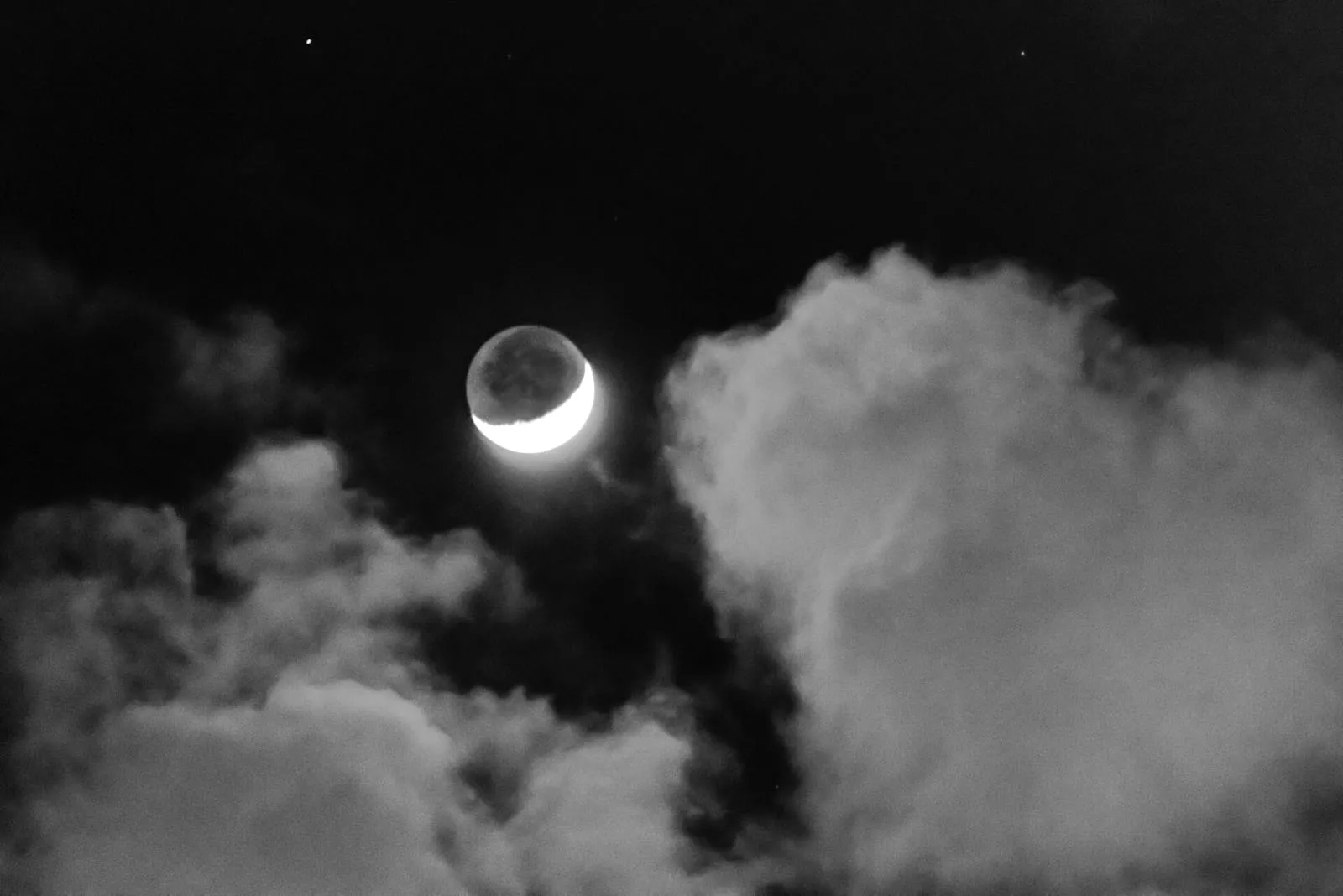
The dark side of the Moon is not actually dark. The face we cannot see directly from Earth is brighter than the face we can. The Moon’s real dark side is whichever side is turned away from the Sun at a given moment.
The part of the Moon that stays hidden from Earth receives as much sunlight as the part we see.
Why do we always see the same face?
One trip round the Earth takes the Moon about 29 days. One full turn on its own axis takes almost exactly as long. For this reason, the same side of the Moon always faces us.
The phrase “the dark side of the Moon” usually means the side we cannot see from Earth. More accurately, that side should be called the far side. The phrase is used for something mysterious or unknown. The far side earned the nickname because nobody knew what it looked like, not because sunlight fails to reach it.
Why do the two faces look so different?
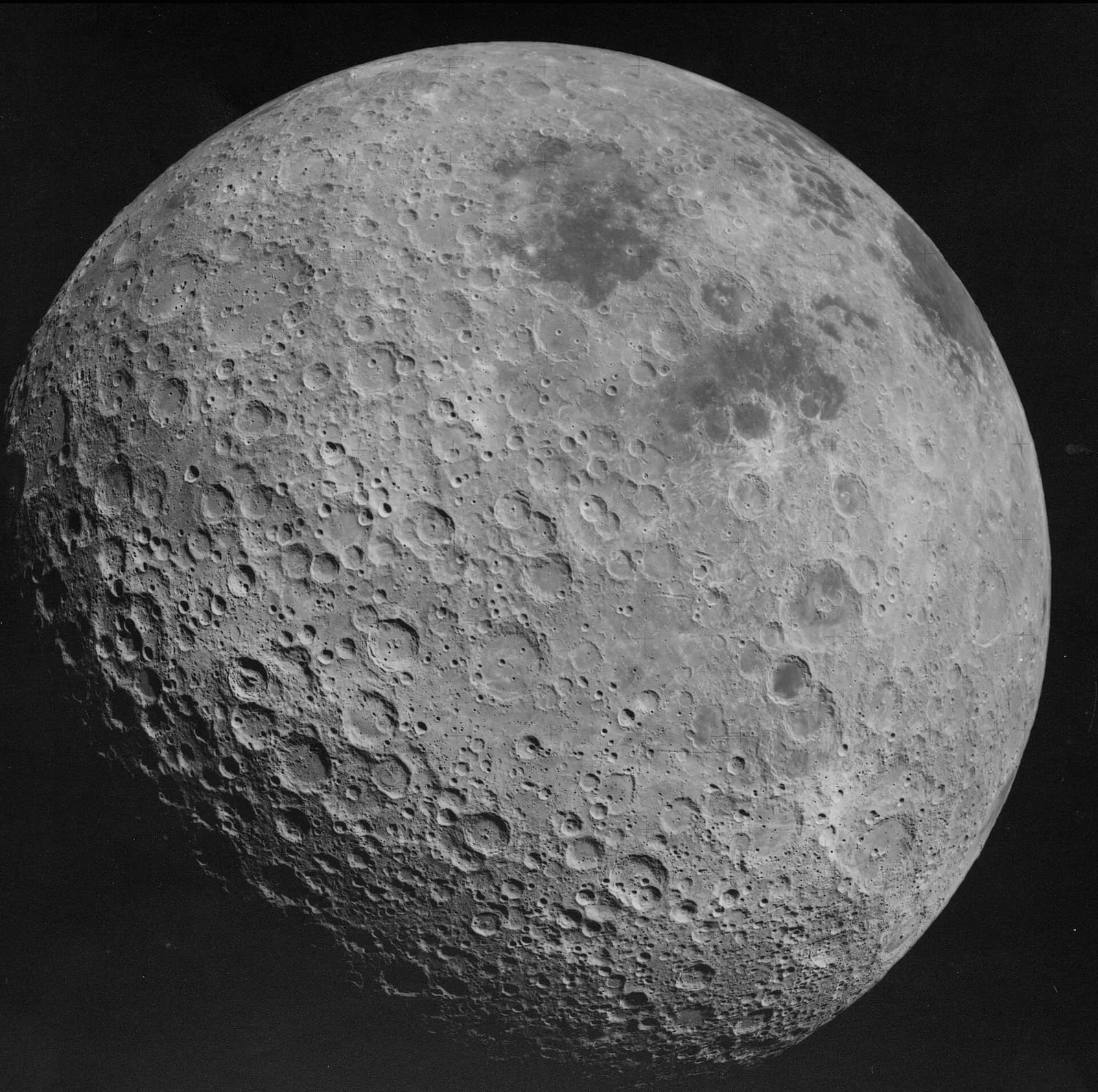
The far side has only a few dark patches, whereas the side we see from Earth is almost covered in dark patches called maria. Maria are ancient lava flows that spilled into the basins left by huge impact craters. These dark lava flows are what make the near side look darker than the far side.
When meteoroids hit the Earth-facing side of the Moon, vast flat seas of basalt formed, and we see them as the dark areas known as maria. According to researchers, the shortage of maria comes from a difference in the thickness of the crust between the side we see and the hidden side. That difference is a result of how the Moon first formed.
The researchers found that, back when the Moon was 10 to 20 times closer to Earth than now, it quickly became tidally locked. The crust of the far side is thicker. When meteoroids struck the far side, the crust was in most cases too thick for basalt lava to reach the surface.
That the far side has so few maria is what makes it mysterious, and scientists are still trying to understand fully why.
When did we first see the far side?
For most of human history we had no idea what the far side of the Moon looked like. The Soviet Luna 2 became the first successful mission to the Moon when it deliberately crashed into the surface in September 1959. Luna 3 followed in October 1959, flying from Earth around the Moon and back towards Earth. In 1959, then, the Soviet Union’s Luna 3 spacecraft gave us our first look at the far side.
The Tsiolkovskiy crater on the far side was put forward as one of the landing sites for the Apollo 17 mission. It was judged too risky, because being on the far side would make contact with Earth harder.
In 2019, China’s Chang’e 4 probe became the first spacecraft to land on the Moon’s far side. Chang’e 4 touched down in the South Pole-Aitken Basin, the largest known impact structure in the Solar System. Signals were passed on through a satellite called Queqiao (Magpie Bridge). In the final stage of the landing, Chang’e 4 could not be operated remotely.
Test yourself
Three questions from the article. Pick an answer to find out.
Question 1 of 3
How much sunlight does the side of the Moon we cannot see from Earth receive?
The Moon's hidden side is lit by the Sun just as much as the side we see. Source: NASA
Show answer
Right answer: As much as the side we can see
The Moon's hidden side is lit by the Sun just as much as the side we see. Source: NASA
Question 2 of 3
Which spacecraft first photographed the far side of the Moon?
We first saw the far side in 1959, thanks to the Soviet Union's Luna 3 spacecraft. Source: airandspace.si.edu
Show answer
Right answer: The Soviet Union's Luna 3 (1959)
We first saw the far side in 1959, thanks to the Soviet Union's Luna 3 spacecraft. Source: airandspace.si.edu
Question 3 of 3
Which side is the Moon's real dark side?
The Moon's true dark side is simply the side turned away from the Sun at that moment. Source: NASA
Show answer
Right answer: Whichever side is facing away from the Sun at the moment
The Moon's true dark side is simply the side turned away from the Sun at that moment. Source: NASA