World & Culture
Natural wonders around the world, famous structures and shared systems such as calendars and clocks: plain-language answers to curious questions about our planet and its cultures.
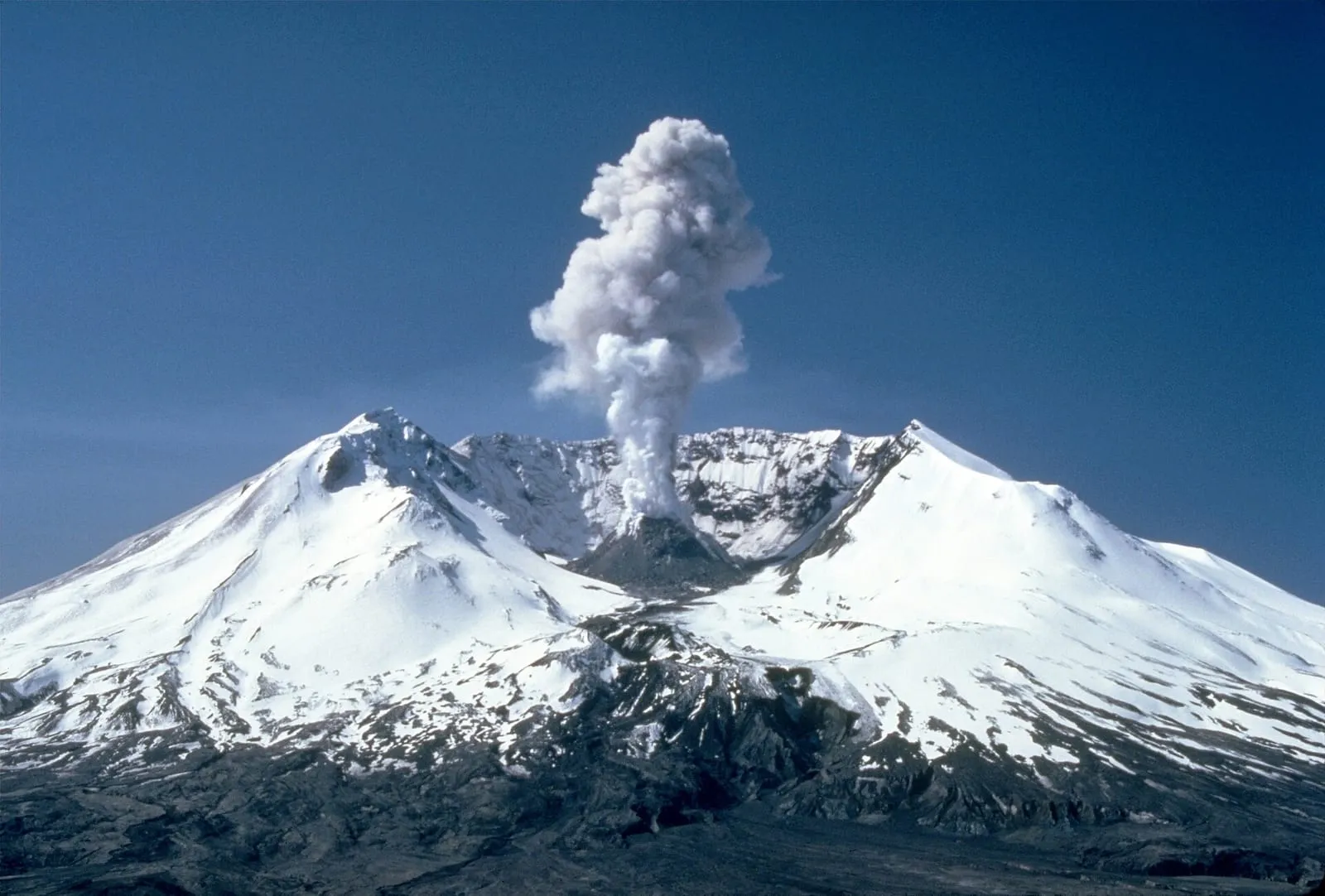
How did Mount St. Helens erupt in 1980?
How the 1980 eruption of Mount St. Helens began with earthquakes, how a landslide turned into a sideways blast, and how it changed science.
Photo: Lyn Topinka, Public domain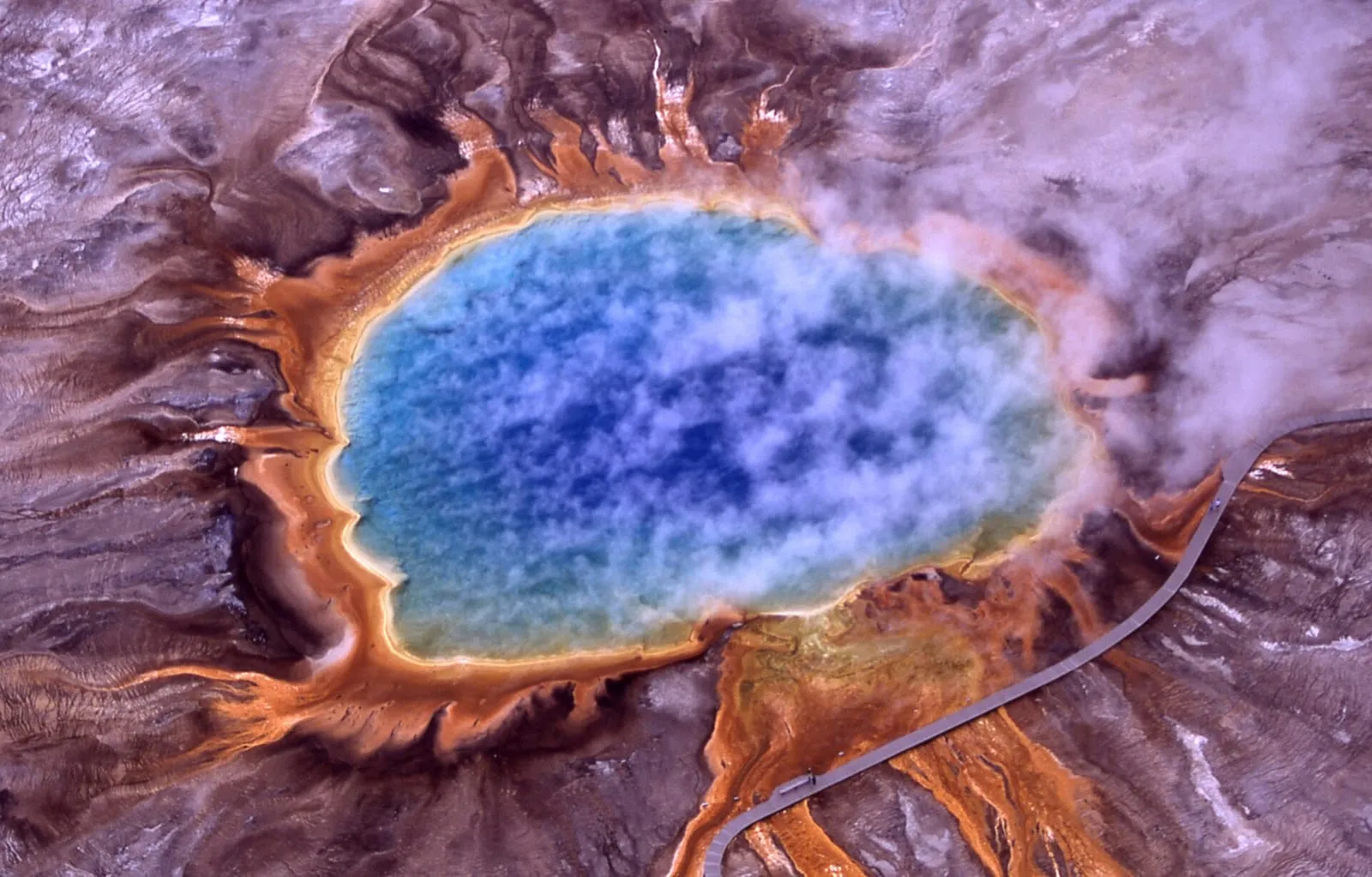
How did the volcano under Yellowstone form?
How the hot spot beneath Yellowstone works, why its line of calderas gets younger toward the northeast, and how giant eruptions made the calderas.
Photo: Jim Peaco, National Park Service, Public domain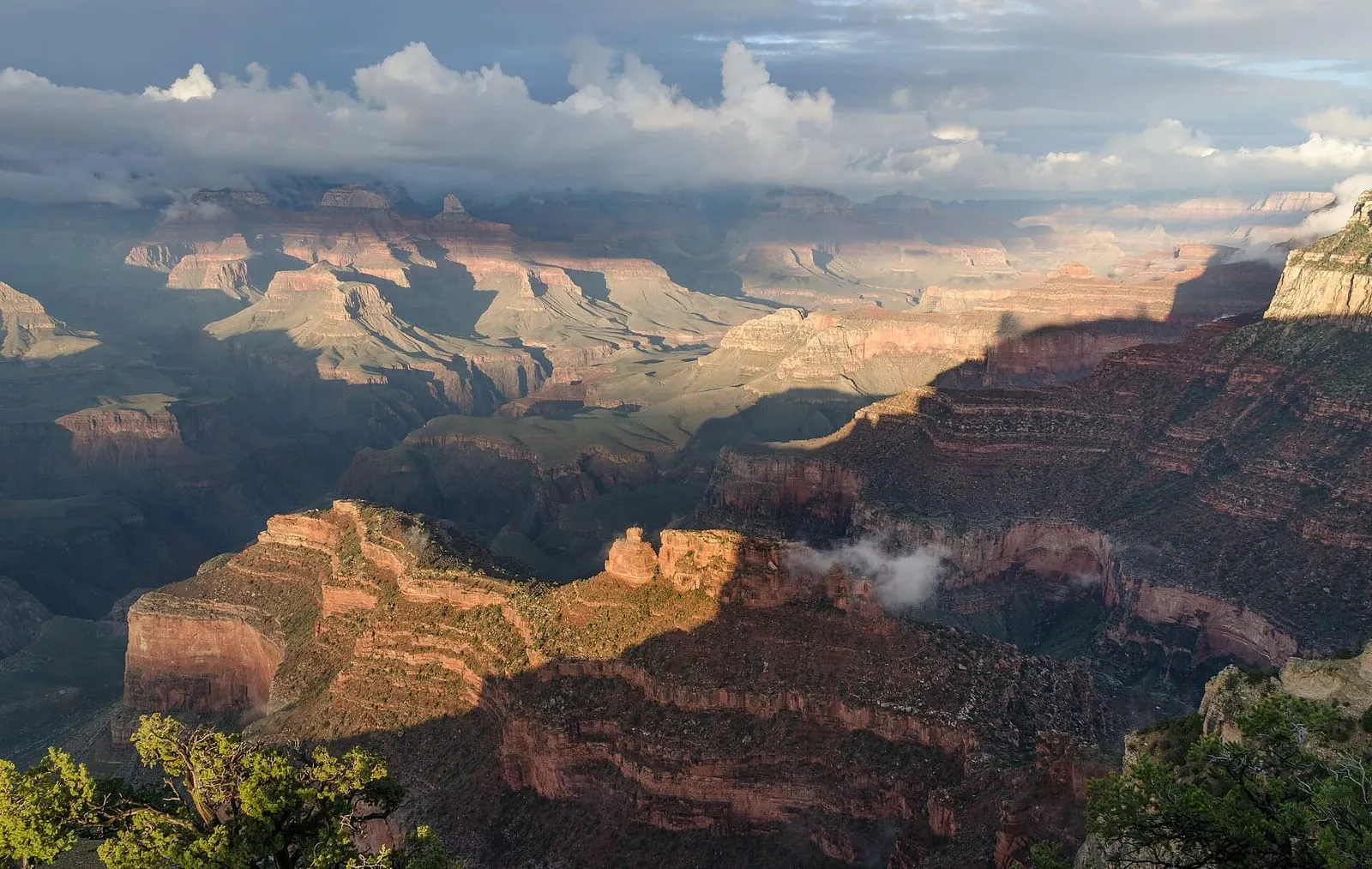
How was the Grand Canyon formed?
How the Grand Canyon came from layered rock, the rise of a plateau, and about five million years of carving by the Colorado River, explained simply.
Photo: Tuxyso, CC BY-SA 3.0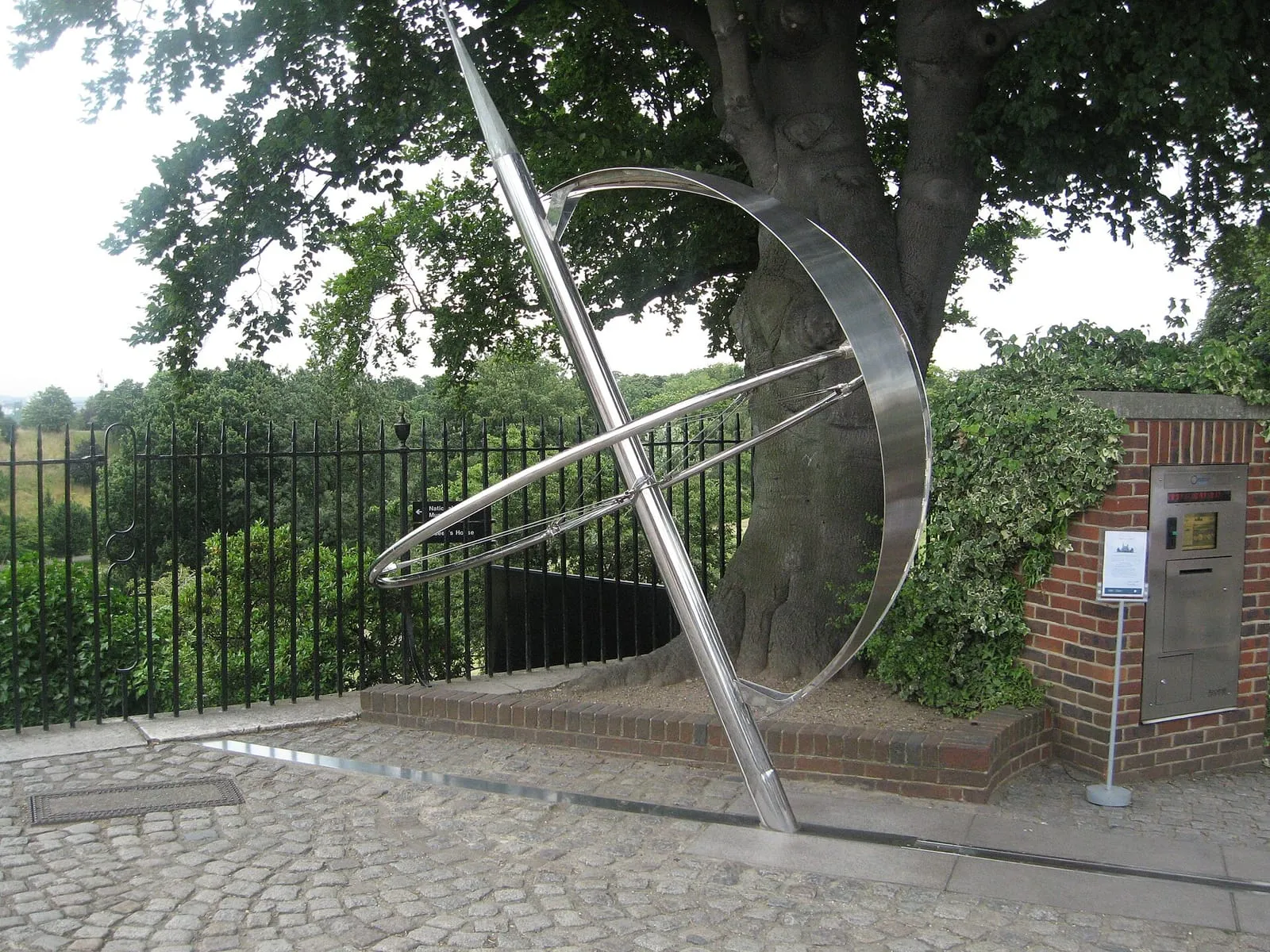
Why do time zones exist?
A plain explanation of how time zones were born out of the railways, how Greenwich became the prime meridian, and why zones in Russia and India are so uneven.
Photo: Apletters, CC BY-SA 3.0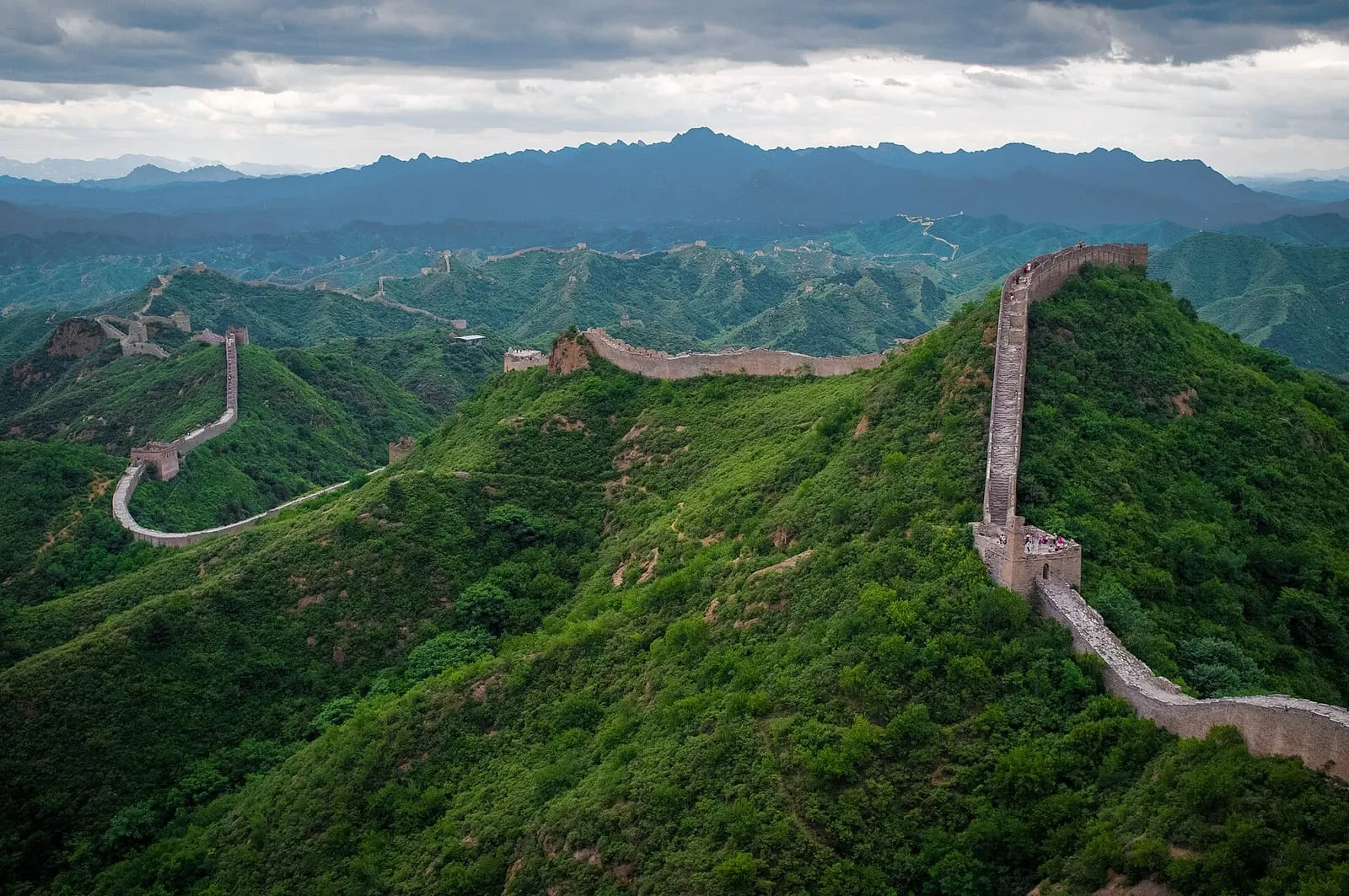
Can you see the Great Wall of China from space? How long is it?
The Great Wall can't be seen from the Moon and is hard or impossible to see by eye from orbit; figures for its length differ widely.
Photo: Severin.stalder, CC BY-SA 3.0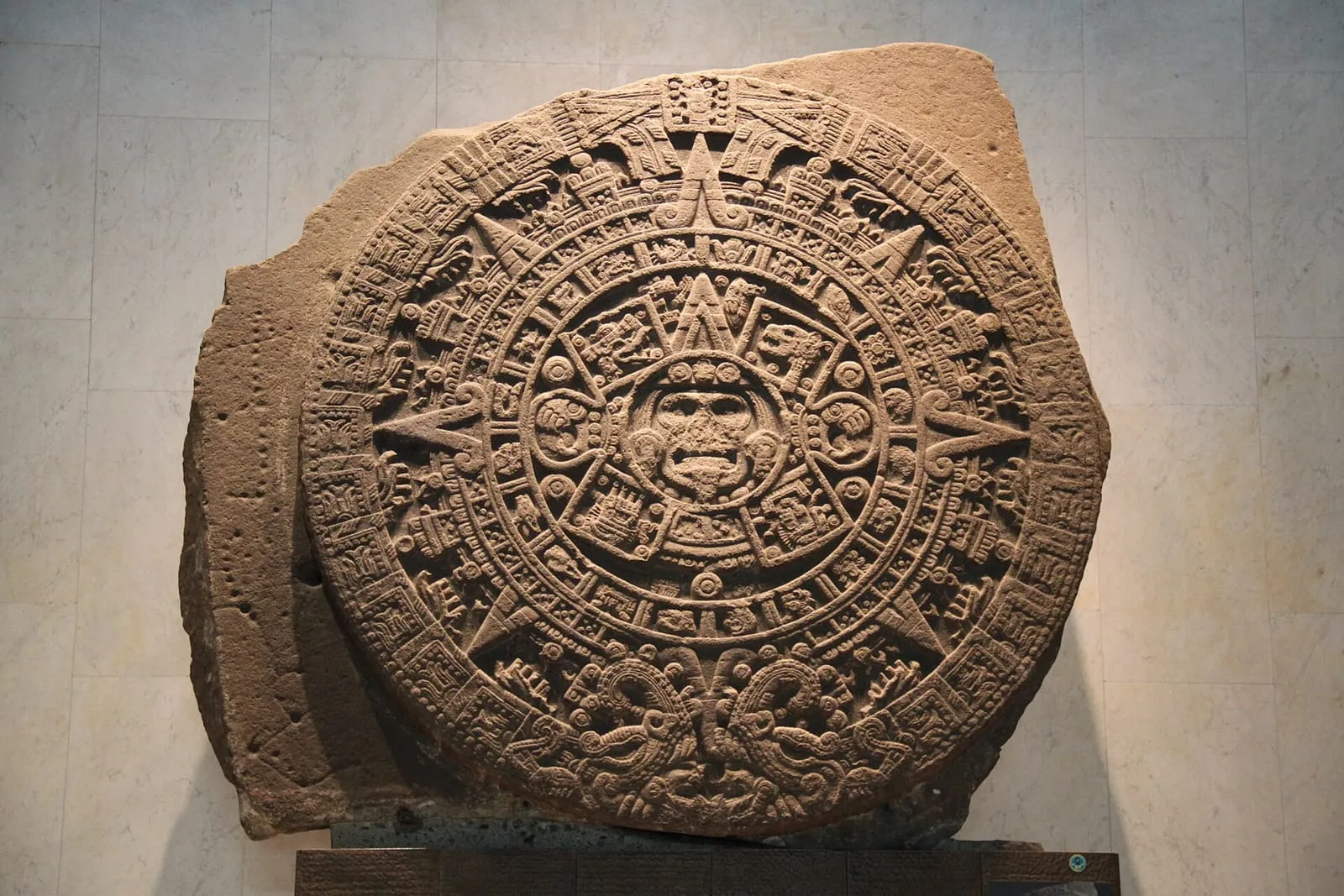
What is a leap year? Why do we have one?
Because Earth's trip around the Sun does not take a whole number of days, a day is added to the calendar about every four years, and that year is a leap year.
Photo: Gary Todd, CC0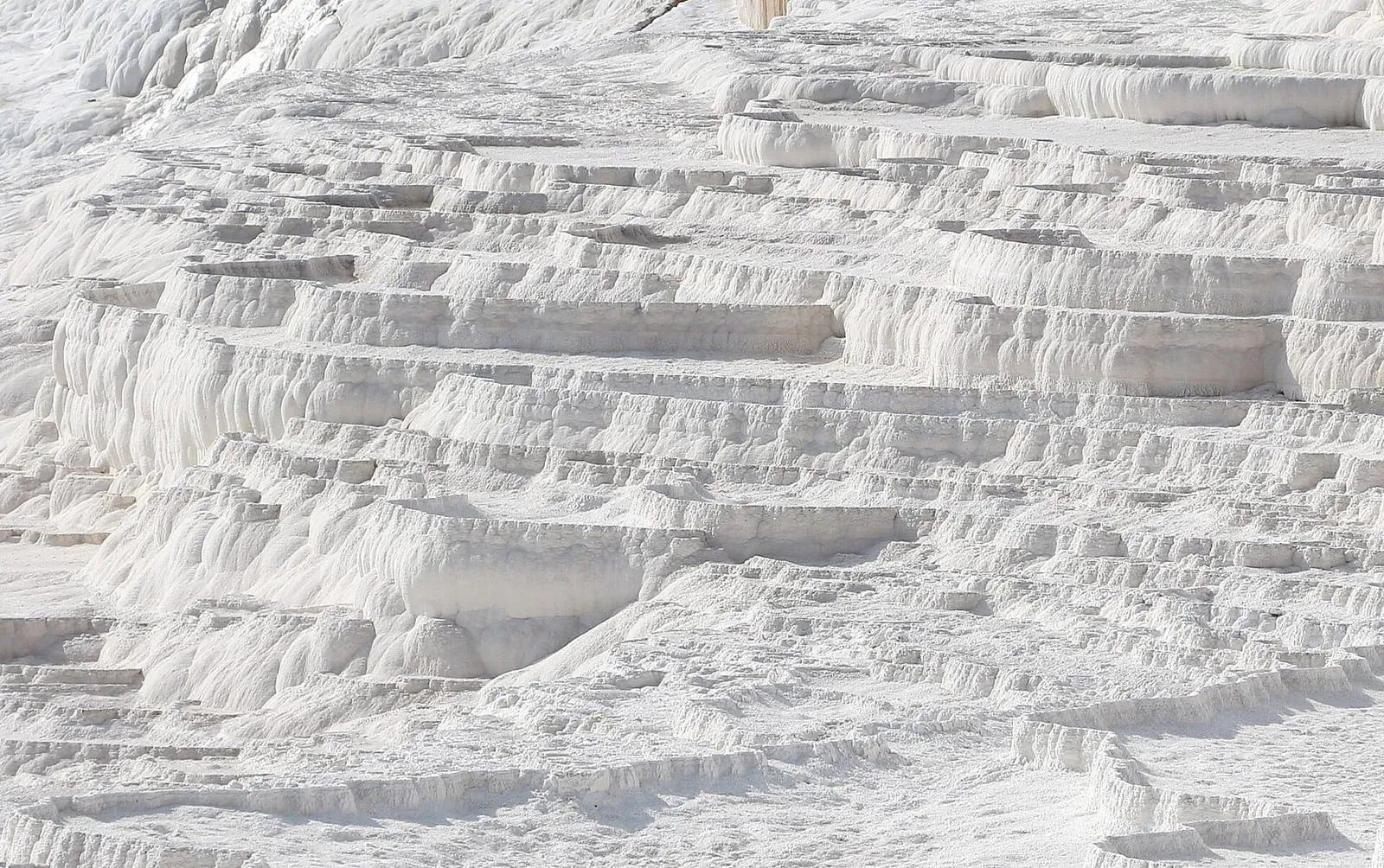
How did Pamukkale form?
Pamukkale's white terraces formed when water heated underground dissolved minerals from limestone and left them behind at the surface.
Photo: Bernard Gagnon, CC BY-SA 3.0