How does the water cycle work?
What is the water cycle?
The water cycle is a way of tracing where Earth’s water sits and how it travels. It is the route every drop follows around the planet. In the water cycle, water changes between three states: solid, liquid and gas.
Water is held in the air, on the land surface and below ground. It is also present inside us, as well as in plants and other living things.
Where is water stored?
The oceans hold 96 percent of all the water on Earth. The rest of the planet’s water is fresh. Fresh water is stored as liquid in freshwater lakes, artificial reservoirs, rivers and wetlands.
Water is stored as solid, frozen water in ice sheets, glaciers and the snowpack at high altitudes or near the poles. Water vapour is a gas, and it is stored as atmospheric moisture over the ocean and the land.
Within the ground, frozen water exists as permafrost, while liquid water makes up soil moisture. Further down, liquid water collects as groundwater in aquifers.
How does water get into the atmosphere?
There are two main ways for water to enter the atmosphere. The heat of sunlight makes water in oceans, lakes and rivers evaporate. Evaporation is the change of liquid water into water vapour, a gas.
Plants and trees release water into the air too, which is known as transpiration. Together, these processes are the chief route by which water leaves the land and the oceans for the atmosphere.
How do clouds form?
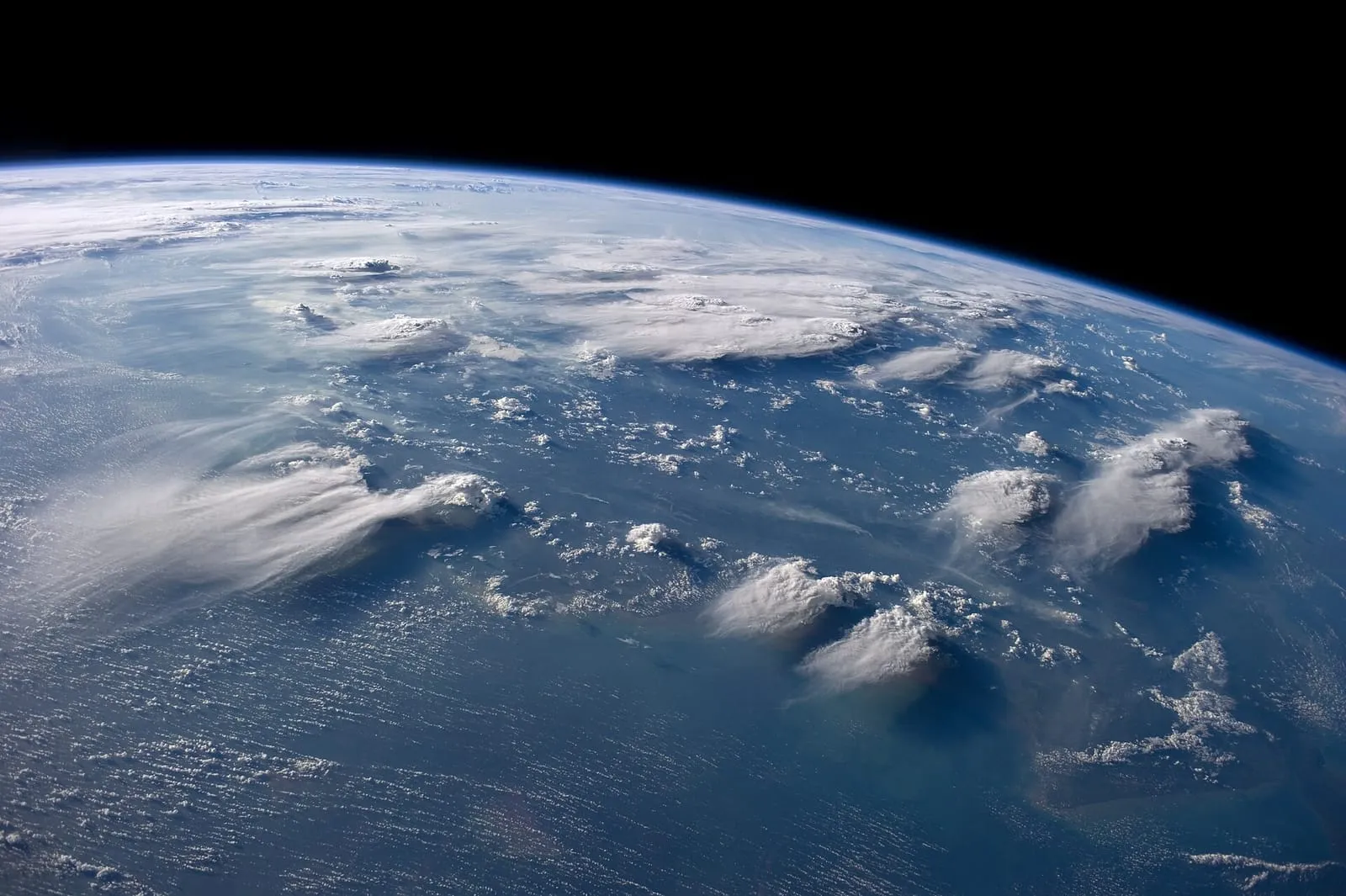
Warm water vapour rises through Earth’s atmosphere. As the water vapour rises, the air of the atmosphere gets colder. This makes the water vapour turn back into liquid water in a process called condensation. When condensation takes place, clouds form.
Precipitation and the return to the surface
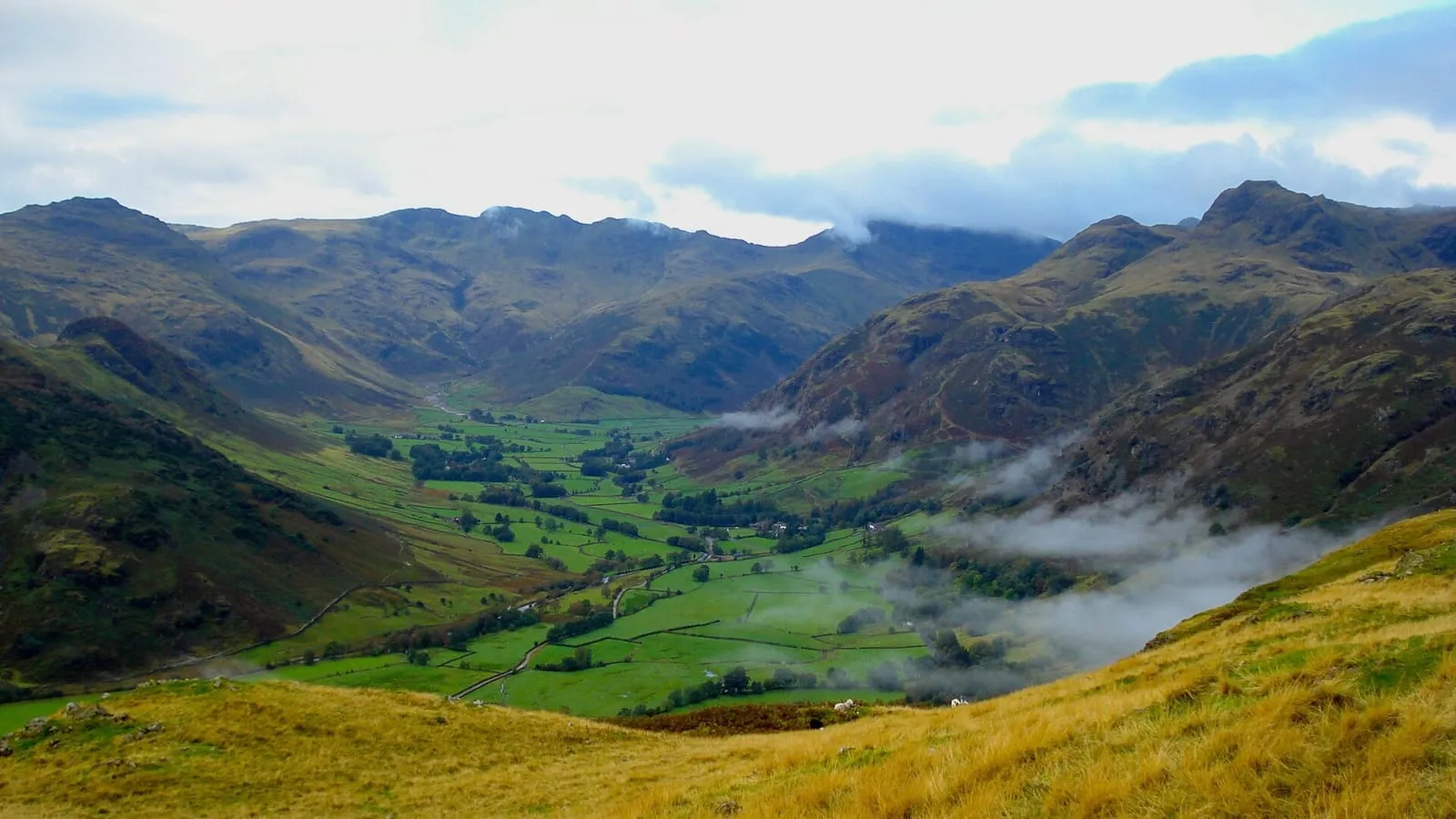
When a cloud fills with liquid water, the water falls from the sky as rain or snow, which is precipitation. Rain falls into the ocean, lakes and rivers, and onto the ground. There it waters plants and refills the groundwater we drink.
In winter, snow settles on mountains and glaciers and stays frozen. When the weather warms, the snow melts and the water runs into the oceans, lakes and rivers. Then the process starts again.
How does water move on the surface and underground?
Water passes between the air and the ground by way of evaporation, evapotranspiration and precipitation. Across the surface, it travels as snowmelt, runoff and flowing streams.
Water enters the ground through infiltration and groundwater recharge. Below ground, groundwater flows through aquifers. Groundwater can return to rivers, the ocean and springs through natural discharge.
What drives the water cycle?
The Sun’s energy and the force of gravity drive the constant movement of water between the places where it is stored. Gravity makes water flow downhill on land. Gravity also makes rain, snow and hail fall from clouds.
How do people change the water cycle?
People shape where water is kept, how it moves and how clean it is. We change the course of rivers, build dams to store water and drain wetlands to make room for development.
We use this water to supply our homes and communities, for agricultural irrigation and for livestock grazing. In farming and urban areas, irrigation and rainfall carry fertilisers and pesticides into rivers and groundwater.
How is climate change affecting the water cycle?
Climate change is affecting the water cycle and changing the amount and timing of water. The frequency, intensity and duration of extreme weather events such as floods and droughts are changing as well. Sea levels are rising, which leads to coastal flooding.
Test yourself
Three questions from the article. Pick an answer to find out.
Question 1 of 3
What share of all the water on Earth do the oceans hold?
The oceans hold 96 percent of the water on Earth. Source: USGS
Question 2 of 3
What is it called when water from plants and trees passes into the atmosphere?
Plants and trees also release water into the air, and this is known as transpiration. Source: NASA
Show answer
Right answer: Transpiration
Plants and trees also release water into the air, and this is known as transpiration. Source: NASA
Question 3 of 3
Which two things drive the water cycle?
Solar energy and gravity keep water moving between the places where it is stored. Source: USGS
Show answer
Right answer: The Sun's energy and gravity
Solar energy and gravity keep water moving between the places where it is stored. Source: USGS