How is electricity generated?
How does a generator make electricity?
A generator is a machine that turns one form of energy into electricity. Most electricity generation comes from generators based on scientist Michael Faraday’s discovery of 1831. Faraday found that moving a magnet inside a coil of wire induces an electric current to flow along the wire.
In a simple electromagnetic generator, a stationary cylinder of insulated wire coils (the stator) surrounds a shaft fitted with electromagnets (the rotor). As the rotor turns, an electric current flows in every section of the coil wire, and each section becomes a separate conductor. The currents of the individual sections combine into one large current. This current is the electricity that travels from generators to consumers along power lines.
How does a turbine spin the generator?
In the US and around the world, most electricity comes from power plants that spin generators with turbines. In a turbine-driven generator, a moving fluid such as water, steam, combustion gases or air pushes blades attached to a rotor shaft. The force the fluid exerts on the blades turns the generator’s rotor shaft. The generator in turn converts the rotor’s mechanical (motion) energy into electrical energy. Turbine types include steam turbines, combustion (gas) turbines, hydroelectric turbines and wind turbines.
Steam and gas turbines
Steam turbines are used to produce most of the world’s electricity. In most steam turbines, fuel is burned in a boiler to heat water into steam, and the steam drives the turbine that spins the generator. Nuclear reactors use nuclear fuel rods to make steam. Most solar thermal and geothermal power plants also use steam turbines.
Combustion gas turbines burn gas or liquid fuel to produce hot gases that turn the turbine blades. Combined cycle systems use the exhaust gases of one turbine to generate more electricity in another turbine.
Water and wind
Hydroelectric turbines draw on the force of moving water, which turns the turbine blades and drives the generator. Many hydroelectric plants use water stored behind a dam or diverted from a river or stream. Other hydroelectric turbines, called hydrokinetic turbines, are used in tidal energy and wave energy systems. OTEC (ocean thermal energy conversion) systems run a turbine on the temperature difference between ocean waters at different depths and so generate electricity.
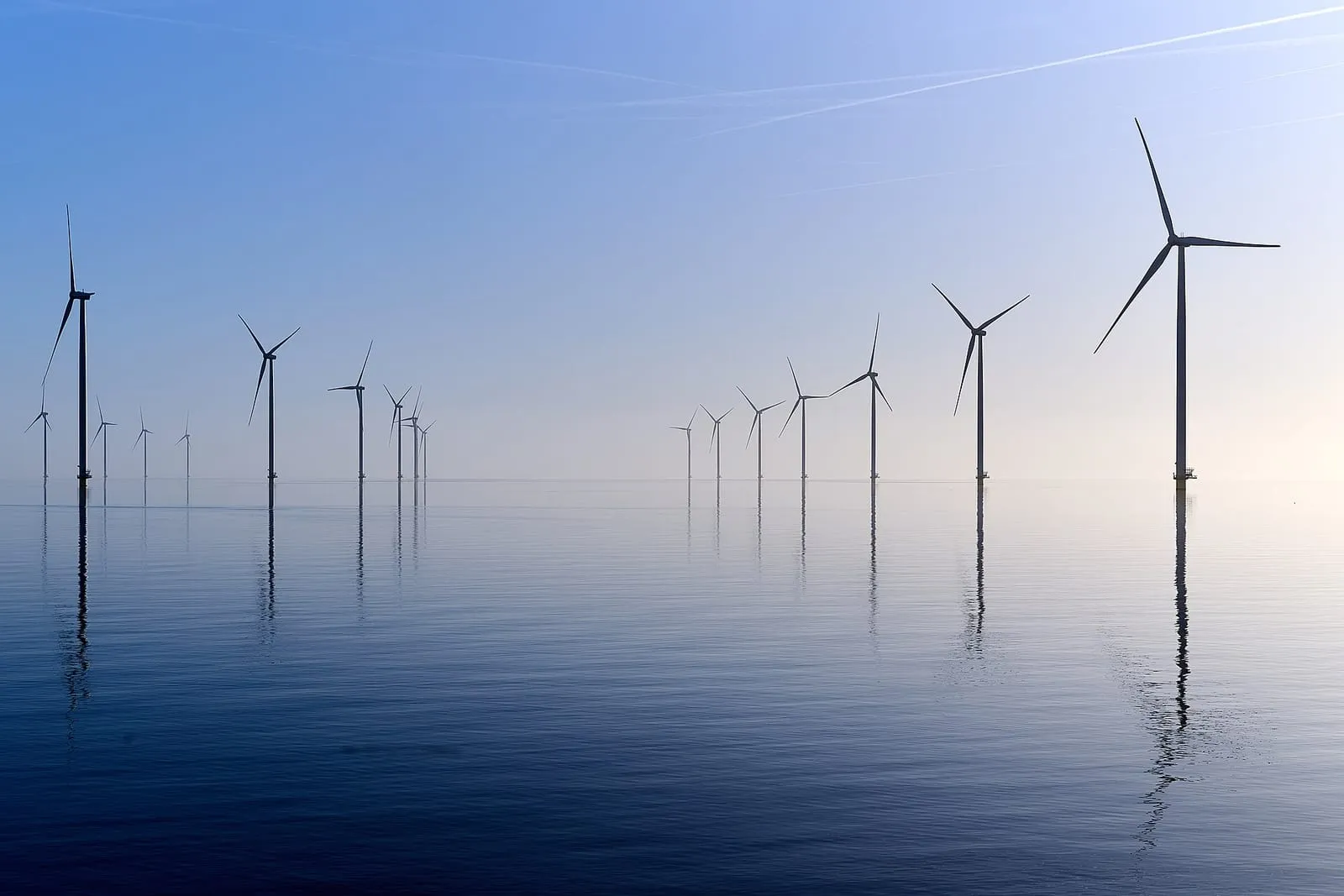
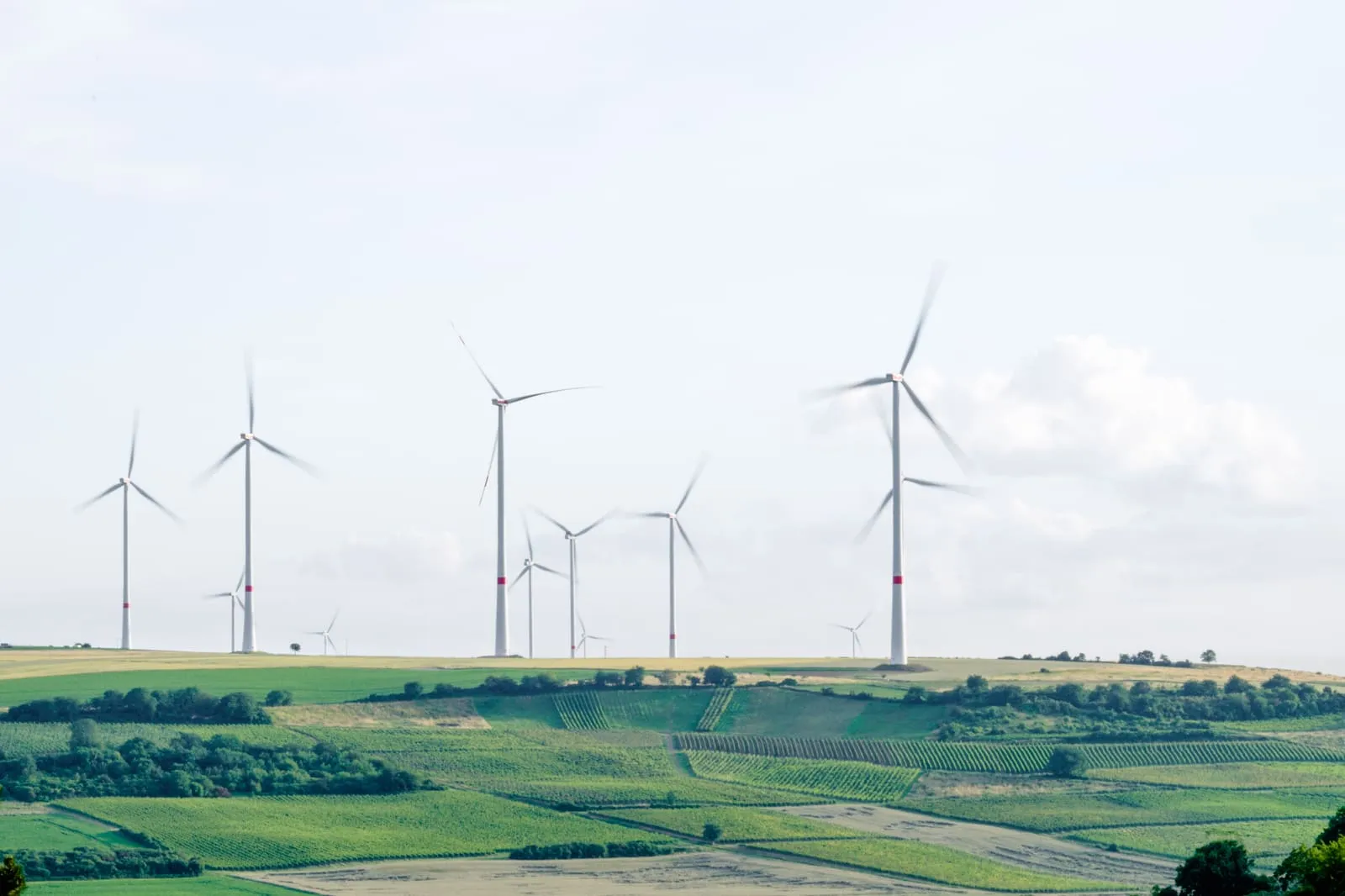
Wind turbines use the force of the wind moving the rotor’s blades to drive the generator. Unlike a fan, which uses electricity to make wind, a wind turbine uses wind to make electricity. The wind turns the propeller-like blades around a rotor; the rotor spins the generator, and the generator produces electricity. The lift on the blades is stronger than the drag, and this makes the rotor turn.
Wind is a form of solar energy that arises from three phenomena occurring together. These are the uneven heating of the atmosphere by the Sun, irregularities on the Earth’s surface and the rotation of the Earth. There are two general types of wind turbine: horizontal-axis (the most common) and vertical-axis turbines.
Generators without turbines
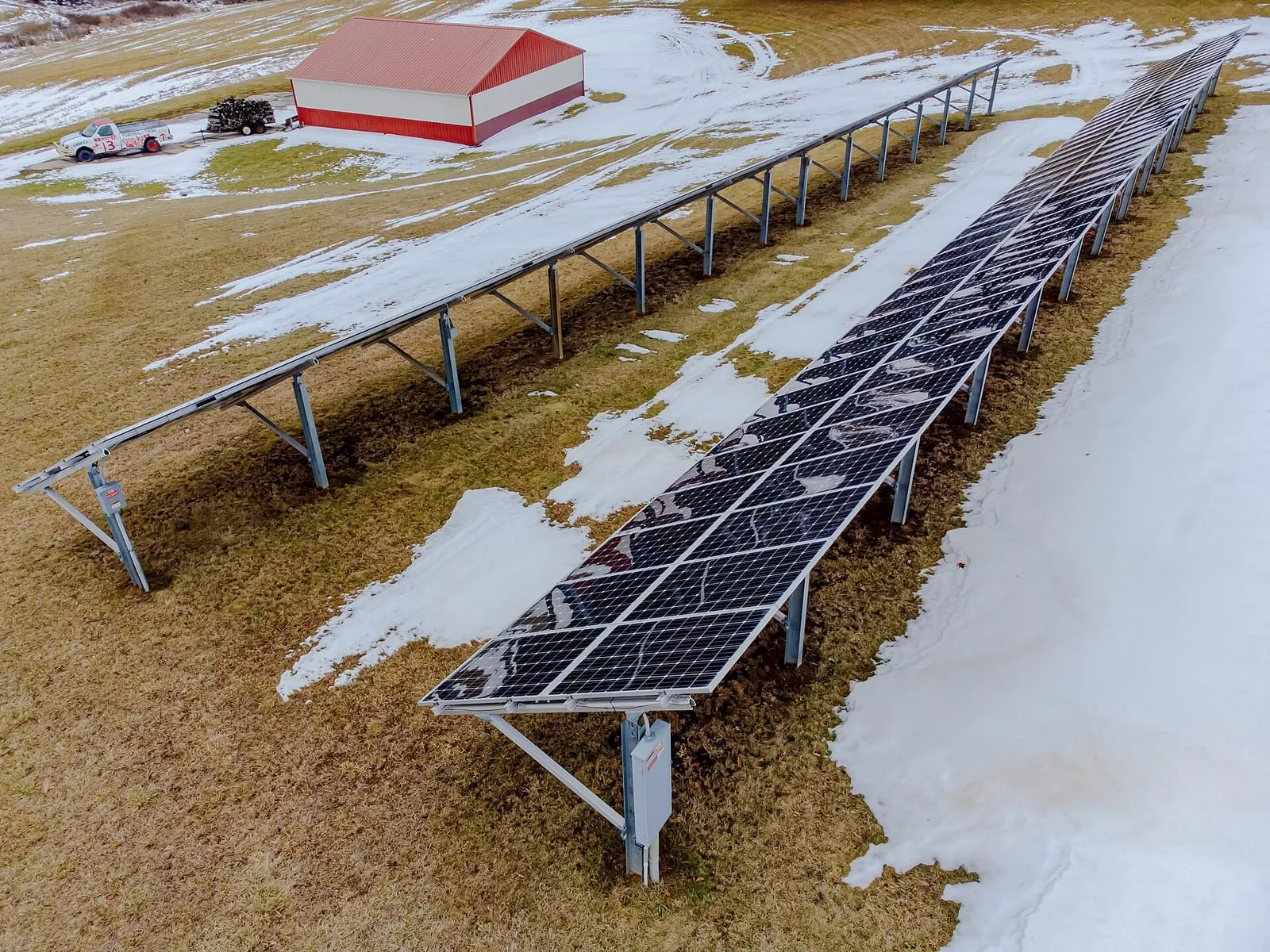
There are many types of generator that do not use turbines; today the most common are solar photovoltaic systems and internal combustion engines. Photovoltaic solar cells turn sunlight straight into electricity. Solar cells (photovoltaic cells) can power devices as small as a wristwatch.
Test yourself
Three questions from the article. Pick an answer to find out.
Question 1 of 3
Most electricity generation comes from generators based on Michael Faraday's discovery in which year?
Most electricity generation comes from generators based on scientist Michael Faraday's discovery of 1831. Source: U.S. Energy Information Administration (EIA)
Show answer
Right answer: 1831
Most electricity generation comes from generators based on scientist Michael Faraday's discovery of 1831. Source: U.S. Energy Information Administration (EIA)
Question 2 of 3
What type of turbine is used to produce most of the world's electricity?
Steam turbines are used to produce most of the world's electricity. Source: U.S. Energy Information Administration (EIA)
Show answer
Right answer: Steam turbines
Steam turbines are used to produce most of the world's electricity. Source: U.S. Energy Information Administration (EIA)
Question 3 of 3
A turbine-driven generator converts which kind of the rotor's energy into electrical energy?
The generator in turn converts the rotor's mechanical (motion) energy into electrical energy. Source: U.S. Energy Information Administration (EIA)
Show answer
Right answer: Mechanical (motion) energy
The generator in turn converts the rotor's mechanical (motion) energy into electrical energy. Source: U.S. Energy Information Administration (EIA)