How do wind turbines make electricity?
How does a wind turbine work?
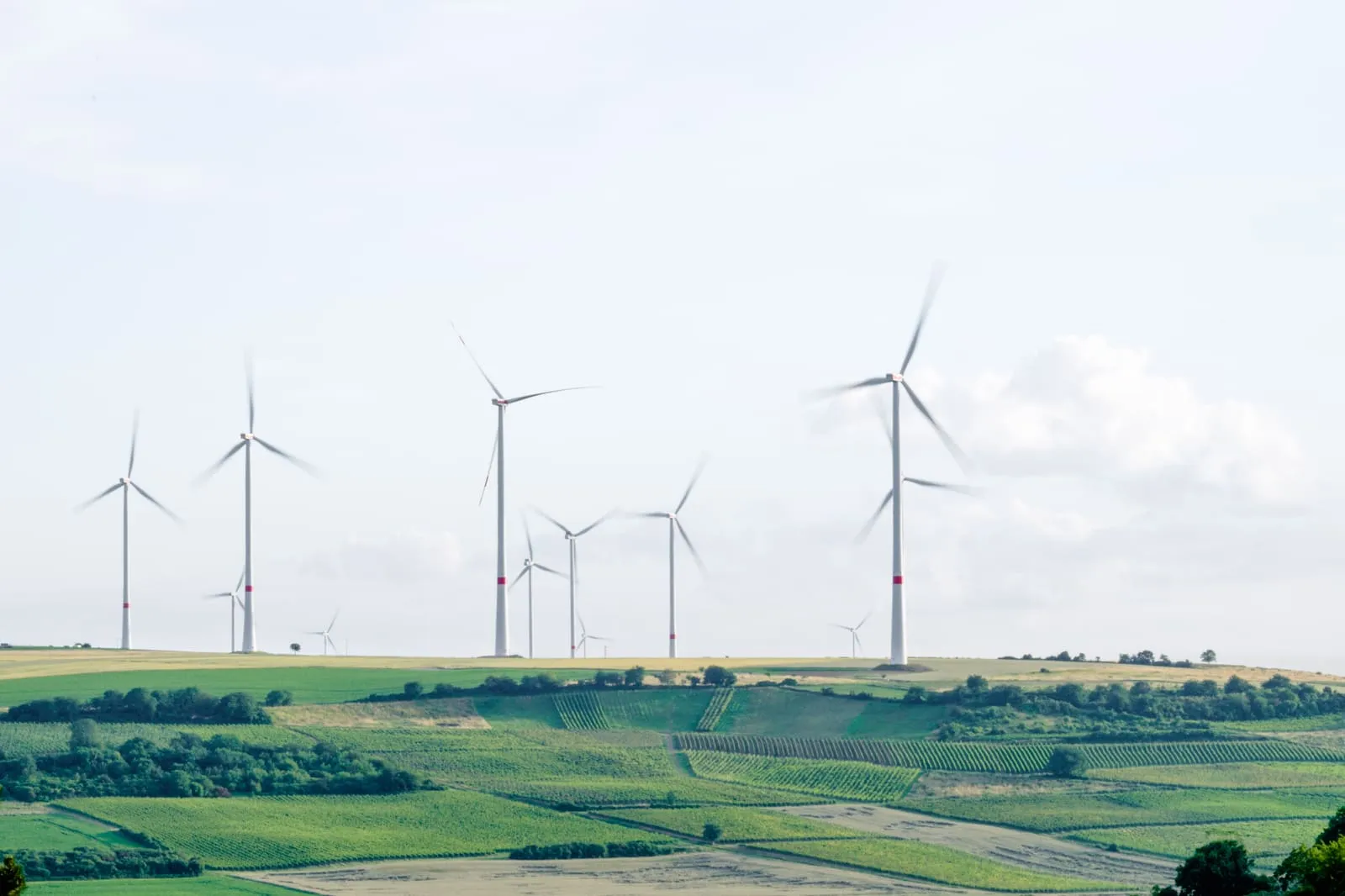
Wind turbines work on a simple principle: a fan uses electricity to create wind, while a turbine does the reverse and uses wind to create electricity. Wind turns propeller-like blades around a rotor, the rotor spins a generator, and the generator produces electricity. Wind turbines are the modern form of what used to be called windmills, devices that capture the motion energy of the wind and turn it into electricity.
The rotor blades of a wind turbine behave like an aeroplane wing or a helicopter rotor, and their aerodynamic force is what converts wind energy into electricity. As wind flows across a blade, the air pressure on one side of the blade drops. The difference in pressure between the two sides creates both lift and drag. Lift is stronger than drag, and that is what makes the rotor turn.
The rotor can be connected straight to the generator, which is called a direct-drive turbine. It can also be connected through a shaft and a gearbox; the gears speed up the rotation, which lets a smaller generator be used. In the generator, copper windings spin inside a magnetic field to produce electricity.
Where does wind come from?
Wind is a by-product of solar energy. It comes from three things happening at once: the Sun heating the atmosphere unevenly, the irregularities of Earth’s surface, and Earth’s rotation. As long as the Sun keeps heating the planet, wind will be plentiful. The mechanical power from wind can also be used for jobs such as grinding grain or pumping water.
The parts of a turbine
Towers are made of tubular steel and carry the structure of the turbine. Because wind speed rises with height, taller towers let a turbine catch more energy. At heights of 30 metres and above, winds are less turbulent.
Most turbines have three blades, and the blades are mostly made of fibreglass. The blades of a typical modern land-based turbine are longer than 52 metres. The nacelle, the housing at the top of the tower, holds the gearbox, the drive shafts, the generator and the brake.
The yaw system turns the nacelle when the wind direction changes, keeping the turbine facing into the wind. A wind vane measures the wind direction and passes it to the yaw system. An anemometer measures wind speed and sends the data to the controller.
The pitch system controls the rotor speed by adjusting the angle of the blades to the wind. When the wind is too strong to operate safely, the blades are turned to slow the rotor and protect the machine from damage. The controller starts the machine in winds of about 7 to 11 mph and shuts it down when the wind passes 55 to 65 mph. The low-speed shaft turns at 8 to 20 revolutions per minute.
The wind farm and the grid
Wind farms produce electricity with a group of turbines in one place. The location of a farm depends on things such as wind conditions, the surrounding land and access to transmission lines. On a large wind farm, the electricity from each turbine goes to a substation and from there to the grid. The farm uses a transformer to raise the voltage, which cuts losses over long distances.
Types of turbine
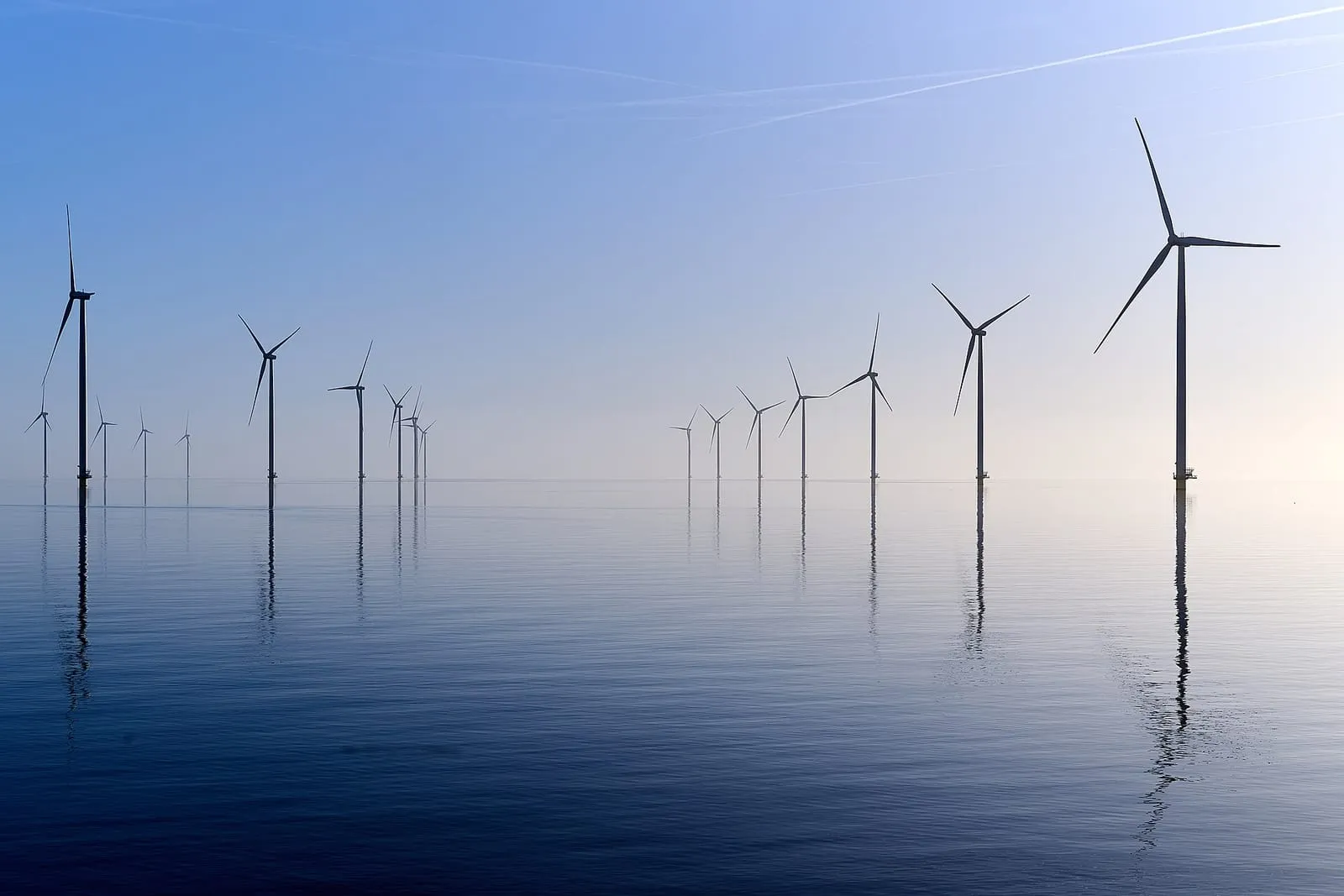
Most wind turbines fall into one of two basic types. Vertical-axis turbines can work in wind from any direction without having to be turned to face it. Turbines can stand on land, or out at sea and on large lakes. The giant parts of offshore turbines can be moved by ship instead of by road. Small turbines under 100 kilowatts are usually used for homes, farms and small businesses.
Test yourself
Three questions from the article. Pick an answer to find out.
Question 1 of 3
Why does the rotor of a wind turbine turn?
Lift is stronger than drag, and that makes the rotor turn. Source: Energy.gov
Show answer
Right answer: Because lift is stronger than drag
Lift is stronger than drag, and that makes the rotor turn. Source: Energy.gov
Question 2 of 3
Why do taller towers let a turbine catch more energy?
Wind speed rises with height, so taller towers catch more energy. Source: Energy.gov
Show answer
Right answer: Because wind speed rises with height
Wind speed rises with height, so taller towers catch more energy. Source: Energy.gov
Question 3 of 3
How is electricity made in the generator?
In the generator, copper windings spin inside a magnetic field to produce electricity. Source: Energy.gov
Show answer
Right answer: Copper windings spin inside a magnetic field
In the generator, copper windings spin inside a magnetic field to produce electricity. Source: Energy.gov