How does the eye see? Its structure and how vision works
The structures of the eye
The eye is the organ of sight; it is like a slightly irregular, hollow ball that takes in light and turns it into an image. If we could enlarge the eye and look inside, we could discover how this is done. Inside the eye are several structures that work together to build an image the brain can understand. These include the dome-like transparent cornea that covers the iris, the coloured part of the eye, the lens just beneath it, and the retina lining the back of the eye. The retina is made of thin layers of light-sensitive tissue.
The journey of light through the eye
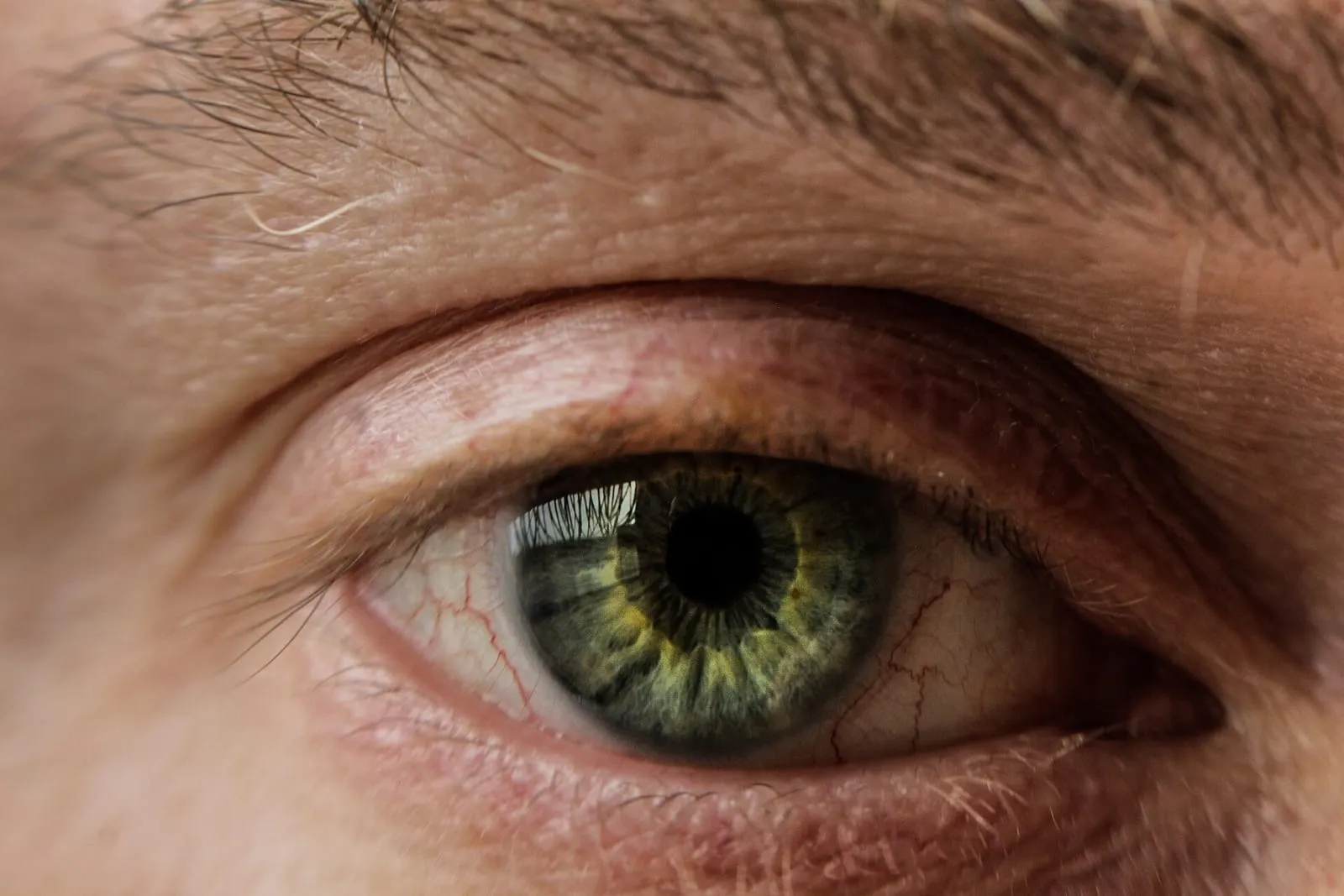
We see when the eye handles the light and the brain makes sense of it. Light passes through the cornea, the eye’s transparent surface. The pupil, the black opening at the front of the eye, is a hole that leads into the eye. The pupil can widen and narrow to adjust the amount of light entering the eye. The iris, the coloured part, is actually a muscle that controls the size of the pupil. The inside of the eye is filled with a jelly-like fluid.
A flexible, transparent lens focuses the light so that it lands on the retina at the back of the eye. The retina turns the energy of the light into a nerve signal; the signal travels to the brain, where it is interpreted.
How the image forms
Light first passes through the cornea, which bends it onto the lens. On its way through the lens, the light is bent a second time. Finally, the light reaches the retina and the image forms there. This double bending turns the image upside down. If the story ended here, the world would always look upside down. Fortunately, the image is turned the right way up again in the brain. For this to happen, the image has to travel as nerve signals along the optic nerve and enter the occipital lobe at the back of the brain.
The shape of the eye and focus
The shape of the eye is important for keeping everything in focus. In normal vision, light is focused exactly on the retina, at a spot called the focal point. The longer the eye, the greater the distance between the lens and the retina. But the cornea and lens still bend the light in the same way. If the eye is longer than normal, the focal point lies somewhere in front of the retina rather than on it. This makes it hard to see distant things, and a person with a longer eye is called myopic, or short-sighted.
Hypermetropia, or long-sightedness, is the exact opposite: the eye is too short and the focal point lies behind the retina. This makes it hard to see things nearby.