What causes hiccups?
What is a hiccup?
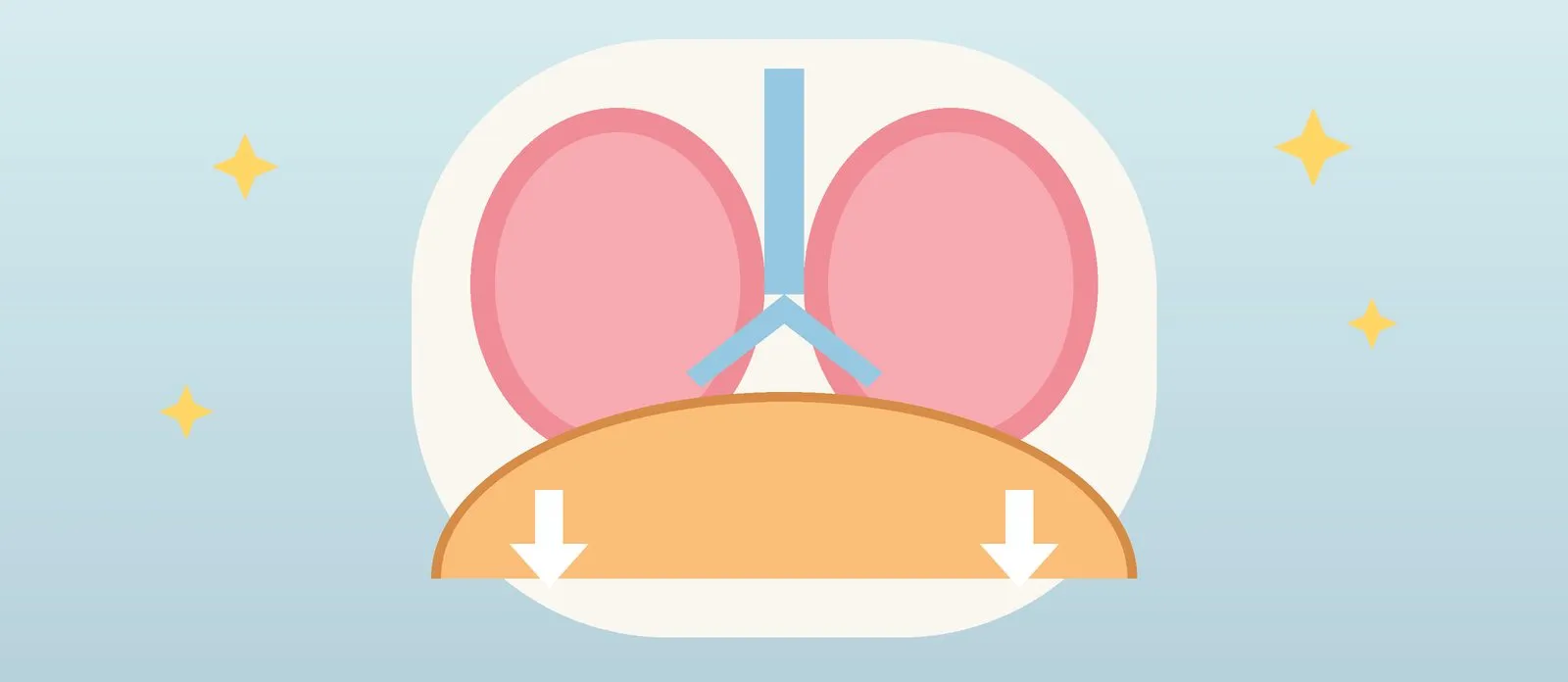
Hiccups are an involuntary movement of the diaphragm, the muscle at the base of the lungs. The spasm is followed by a quick closing of the vocal cords, and that closing makes the typical sound. A hiccup is an irregular, sudden contraction of the diaphragm and the muscles between the ribs, after which the larynx shuts at once.
The diaphragm is a thin, dome-shaped muscle that separates the chest from the abdomen. In a hiccup, the diaphragm is pulled down suddenly between breaths and air rushes in. At the same moment the glottis, the gap between the vocal cords, snaps shut to stop any more air coming in.
A hiccup feels as if it comes from the chest, but the spasm actually starts in the diaphragm or in the nerves that control it.
What causes hiccups?
Hiccups come about when something irritates the nerves that make the diaphragm contract. These nerves, including the vagus nerve and the phrenic nerve, form a pathway that experts call a reflex arc. Reflex arcs manage the body’s involuntary functions.
A reflex arc is very probably responsible for hiccups, involving peripheral phrenic, vagal and sympathetic pathways and central control in the midbrain.
Common triggers
Hiccups often begin for no visible reason. One or two random hiccups often have no clear cause.
Eating too much or too fast can be a trigger. Spicy food, or food that is very hot or very cold, can be a trigger. Fizzy drinks can be a trigger. Swallowing too much air (aerophagia) can be a trigger. Alcoholic drinks can be a trigger. Feeling excited, nervous or afraid can bring on hiccups. An abrupt shift in temperature can also set hiccups off.
How long do hiccups last?
Hiccups usually pass within a few minutes. They generally go away by themselves without any intervention. Hiccups are usually a condition that ends on its own.
Short-lived hiccups last a few seconds or minutes. Persistent hiccups last more than 48 hours, up to a month. Intractable hiccups last longer than a month.
Short-lived hiccups cause no complications. Persistent hiccups can make breathing, swallowing or speaking difficult. If hiccups last longer than a few days, or if other symptoms appear at the start, they may be a sign of a more serious medical condition.
Hiccups in babies
Newborns and babies often get hiccups, and this is normal. Health professionals do not know exactly what causes baby hiccups but believe they come from extra gas in the baby’s stomach. If a baby eats too much, or swallows too much air while feeding, the stomach swells and irritates the diaphragm.
Test yourself
Three questions from the article. Pick an answer to find out.
Question 1 of 3
How long do persistent hiccups last?
Persistent hiccups last more than 48 hours, up to a month. Source: Cleveland Clinic
Show answer
Right answer: More than 48 hours, up to a month
Persistent hiccups last more than 48 hours, up to a month. Source: Cleveland Clinic
Question 2 of 3
What stops more air from coming in during a hiccup?
The glottis, the gap between the vocal cords, snaps shut to stop any more air coming in. Source: Cleveland Clinic
Show answer
Right answer: The glottis snapping shut
The glottis, the gap between the vocal cords, snaps shut to stop any more air coming in. Source: Cleveland Clinic
Question 3 of 3
What is the diaphragm?
The diaphragm is a thin, dome-shaped muscle that separates the chest from the abdomen. Source: Cleveland Clinic
Show answer
Right answer: A thin, dome-shaped muscle that separates the chest from the abdomen
The diaphragm is a thin, dome-shaped muscle that separates the chest from the abdomen. Source: Cleveland Clinic