Why did the people of Mesa Verde's cliff dwellings leave?
Who lived at Mesa Verde?
Human history at Mesa Verde reaches back about 12,000 years, to a time when people hunted mammoths, ground sloths and giant bison with spear points. The oldest object found at Mesa Verde is a spear point, probably used to tip a hunting spear, dated to between 12,300 and 10,900 years ago.
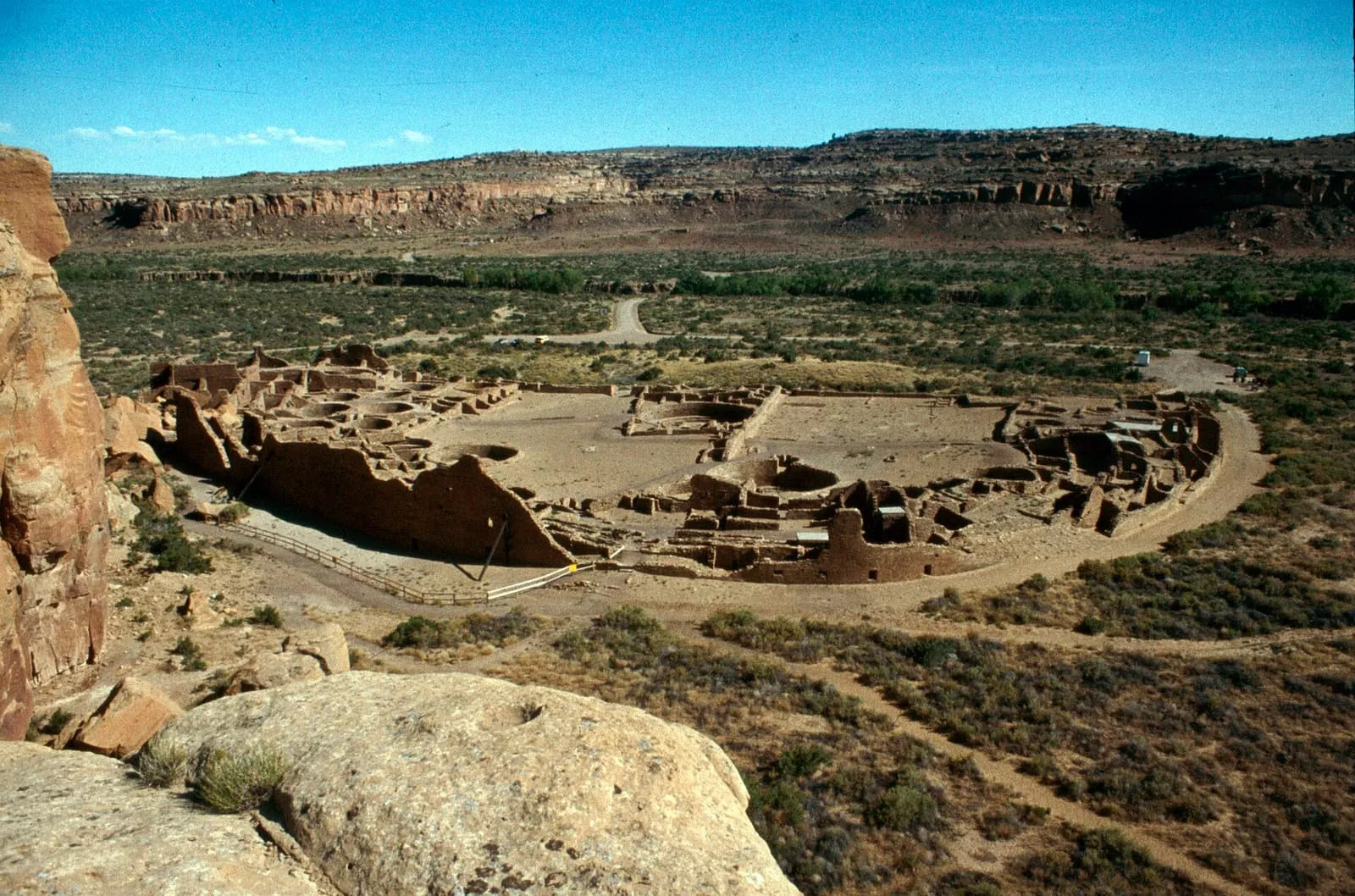
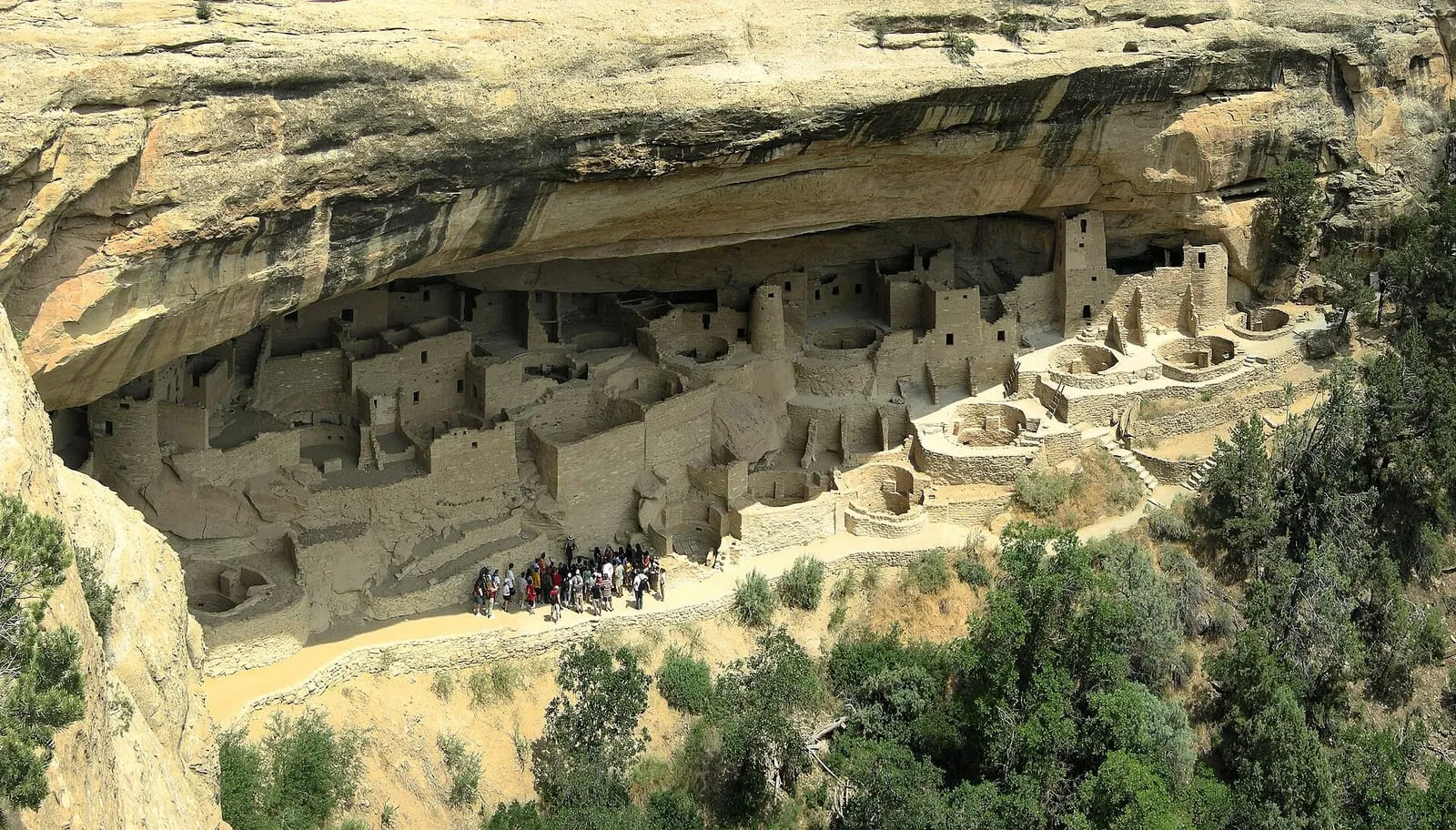
The fine villages of stone, earth, plaster and timber built in the cliffside alcoves of Mesa Verde were only some of the homes of the Ancestral Pueblo people. Between 500 and 1300, tens of thousands of Ancestral Pueblo people lived across the Four Corners region, which covers today’s Colorado, New Mexico, Arizona and Utah. Most of the cliff dwellings were built in the 1200s.
How did they live?
Farming was at the centre of every Ancestral Pueblo person’s livelihood. Over time, corn, beans and squash came to make up 90 percent of what people ate. Dams, terraces and reservoirs supported the fields. Most of the inside space of a building was given over to storing food for the long winter. Dogs and turkeys helped with work, and gave useful resources as well as company.
Mesa Verde pottery is known for black-on-white geometric patterns decorating everyday objects such as mugs. House walls were painted with murals that reflected the surrounding landscape, people and animals. Woven clothing was decorated with imported goods, among them ocean shells, macaw feathers and gemstones.
Why did they leave?
Moving was common at Mesa Verde; people often shifted between communities for better opportunities, to be near family and to escape drought. Life in the Mesa Verde area carried on until the mid-1200s, when people began to move south. Within several decades, the Ancestral Pueblo people had left Mesa Verde entirely.
The reasons for leaving probably differed from person to person. The evidence shows that the 1200s were a time of lasting drought, limited resources and social change. For Pueblo peoples, migration is an important cultural practice, and people may simply have decided it was time to move on and continue their journey.
What happened after they left?
Leaving Mesa Verde was not the end of the story, either for the place or for its people; they carried on their way of life elsewhere. The Pueblo and Hopi peoples are the direct descendants of those who lived in the Mesa Verde communities and built them. When their ancestors left Mesa Verde, they founded new villages or joined existing ones along the Rio Grande Valley, the Little Colorado River drainages and the Hopi Mesas. Mesa Verde remains an important place of pilgrimage for Pueblo and Hopi peoples, where they honour their ancestors and learn about their past.
Mesa Verde today
To protect cultural heritage, President Theodore Roosevelt created Mesa Verde National Park on 29 June 1906. Mesa Verde protects nearly 5,000 ancestral sites.
Test yourself
Three questions from the article. Pick an answer to find out.
Question 1 of 3
Roughly when did people in the Mesa Verde area begin to move south?
Life in the Mesa Verde area went on until the mid-1200s; then people began to move south. Source: www.nps.gov
Show answer
Right answer: In the mid-1200s
Life in the Mesa Verde area went on until the mid-1200s; then people began to move south. Source: www.nps.gov
Question 2 of 3
According to the evidence, what kind of time were the 1200s at Mesa Verde?
The evidence shows that the 1200s were a time of lasting drought, limited resources and social change. Source: www.nps.gov
Show answer
Right answer: A time of lasting drought, limited resources and social change
The evidence shows that the 1200s were a time of lasting drought, limited resources and social change. Source: www.nps.gov
Question 3 of 3
Who are the direct descendants of the people who lived at Mesa Verde?
The Pueblo and Hopi peoples are the direct descendants of those who lived in the Mesa Verde communities and built them. Source: www.nps.gov
Show answer
Right answer: The Pueblo and Hopi peoples
The Pueblo and Hopi peoples are the direct descendants of those who lived in the Mesa Verde communities and built them. Source: www.nps.gov