Is the Bermuda Triangle real?
Where does the legend come from?
The Bermuda Triangle is an area of the western North Atlantic where ships, aircraft and people are said to have disappeared in mysterious ways. Some people claim that unknown, mysterious forces are behind these unexplained disappearances; one example is aliens abducting people in order to study them. The lost continent of Atlantis is among the proposed explanations too. Others speak of whirlpools that pull objects into other dimensions.
There are also explanations closer to science, but they are not backed by evidence: the release of methane gas from sediments on the ocean floor and distortions in the Earth’s magnetic field lines.
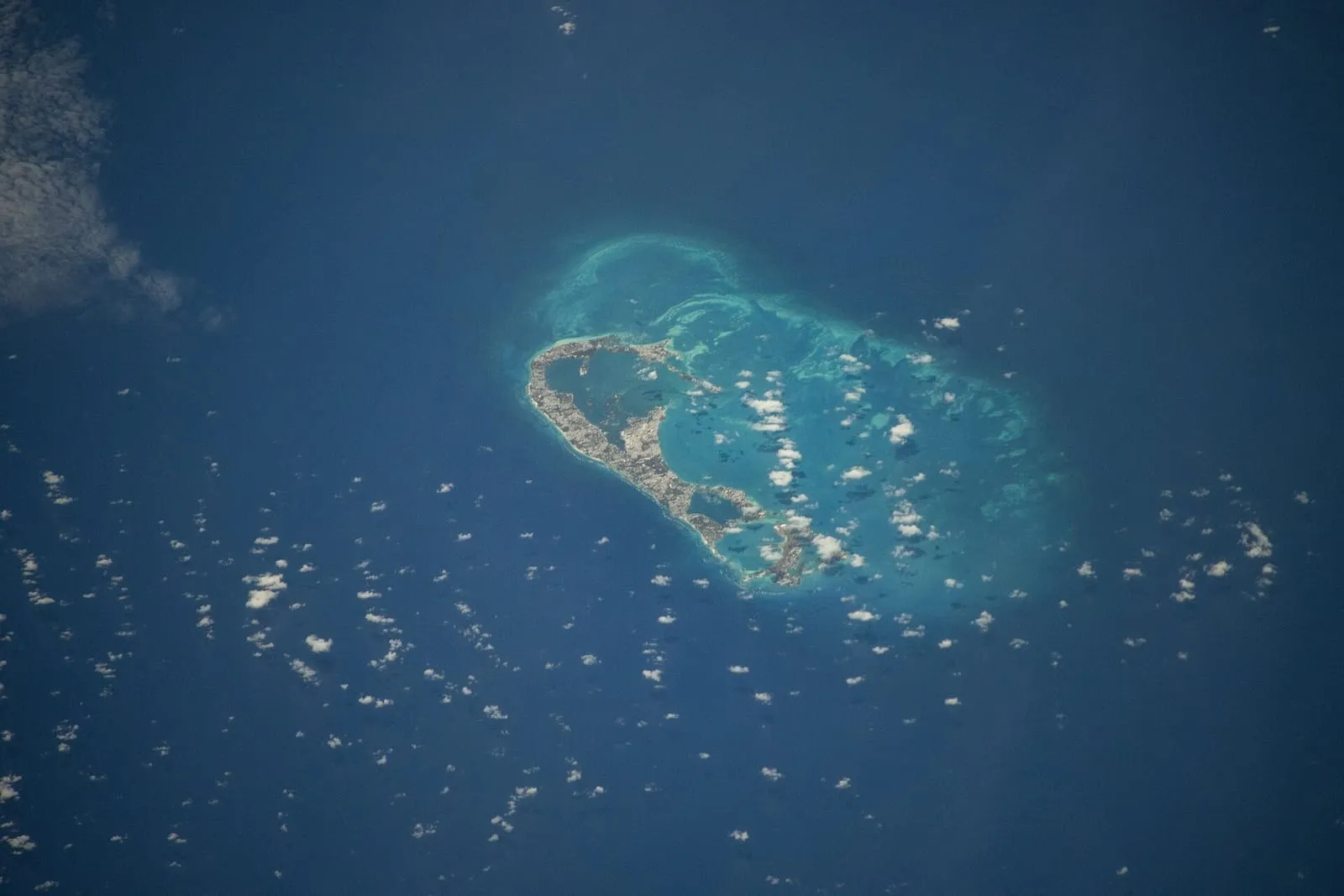
Where is the Bermuda Triangle, and what are its boundaries?
The region lies in the western part of the North Atlantic Ocean. There is no official map showing the boundaries of the Bermuda Triangle. The wreck reported to hold the remains of the Cotopaxi lies close to the edge of the Bermuda Triangle’s boundaries.
What do environmental conditions say?
Environmental conditions can explain most of the losses, perhaps the large majority. Most of the tropical storms and hurricanes in the Atlantic pass through this region, and before weather forecasting improved, these dangerous storms ended the voyages of a great many ships. The Gulf Stream can cause rapid, sometimes violent changes in the weather. The many islands of the Caribbean Sea create areas of shallow water that can endanger ships’ navigation.
The ocean can be very deadly when the weather is bad or navigation is faulty; this is true everywhere in the world.
Are disappearances really more frequent?
Nothing shows that mysterious disappearances happen here more often than in other large, busy stretches of the ocean.
An example: the Cotopaxi
On 29 November 1925, the ship Cotopaxi left Charleston with a crew of 32 and a cargo of coal. While heading for Havana, Cuba, two days later it was caught in a tropical storm near the Bermuda Triangle and quickly disappeared. Cotopaxi became one of the many ships linked with the region over the years.
After almost a century, a group of wreck hunters announced that they had finally identified the remains of the ship off St. Augustine, Florida. Fishermen and divers had long known where the wreck lay, but scientists had struggled to establish the ship’s identity. Researchers combed through court records, insurance papers and historical documents from the period when the ship vanished. The coordinates of the ship’s likely route and written descriptions of the machinery on board fitted neatly with the wreck’s location and the objects found. A historian found a record mentioning a forgotten distress signal sent from the ship on 1 December 1925, a few dozen miles off the Florida coast.
The team thinks the ship may have left port under financial pressure, without being ready enough to cope with a storm. Examination of the wreck showed that the wooden hatch covers had been poorly maintained even before the sinking. The famous supernatural legend of the Bermuda Triangle played no part in the ship’s loss.
Because the ocean covers about 70 percent of the planet’s surface, it is to be expected that things go missing now and then. Ships that vanish sometimes turn up again.
Test yourself
Three questions from the article. Pick an answer to find out.
Question 1 of 3
According to the source, do mysterious disappearances happen more often in the Bermuda Triangle than in other busy areas of the ocean?
Nothing shows that mysterious disappearances are more common in the Bermuda Triangle than in other busy parts of the ocean. Source: NOAA
Show answer
Right answer: There is no evidence that they happen more often
Nothing shows that mysterious disappearances are more common in the Bermuda Triangle than in other busy parts of the ocean. Source: NOAA
Question 2 of 3
What share of the tropical storms and hurricanes in the Atlantic pass through the Bermuda Triangle?
Most of the tropical storms and hurricanes in the Atlantic pass through this region; before weather forecasting improved, these storms ended the voyages of a great many ships. Source: NOAA
Show answer
Right answer: Most of them
Most of the tropical storms and hurricanes in the Atlantic pass through this region; before weather forecasting improved, these storms ended the voyages of a great many ships. Source: NOAA
Question 3 of 3
What cargo did the Cotopaxi leave Charleston with?
Cotopaxi set out in 1925 with a cargo of coal and a crew of 32. Source: Smithsonian Magazine
Show answer
Right answer: Coal
Cotopaxi set out in 1925 with a cargo of coal and a crew of 32. Source: Smithsonian Magazine