Why don't satellites fall out of the sky?
How does a satellite get into orbit?
Satellites can orbit the planet because they are locked into a speed fast enough to beat gravity’s downward pull. A rocket launched from the ground, carrying enough energy to leave the atmosphere (at least 25,039 mph), sends the satellite into space. Once the rocket reaches the chosen spot, it releases the satellite into its orbit. The speed the satellite has as it separates from the launch vehicle is enough to keep it in orbit for hundreds of years.
How does a satellite stay in orbit?
A satellite holds its orbit by balancing its speed against the pull Earth exerts on it. A satellite circling closer to Earth needs more speed to resist the stronger pull.
With so little friction up there, a satellite that is moving keeps circling Earth, just as Newton predicted. That lasts until a force, such as a rocket engine, changes things.
What is the fuel for?
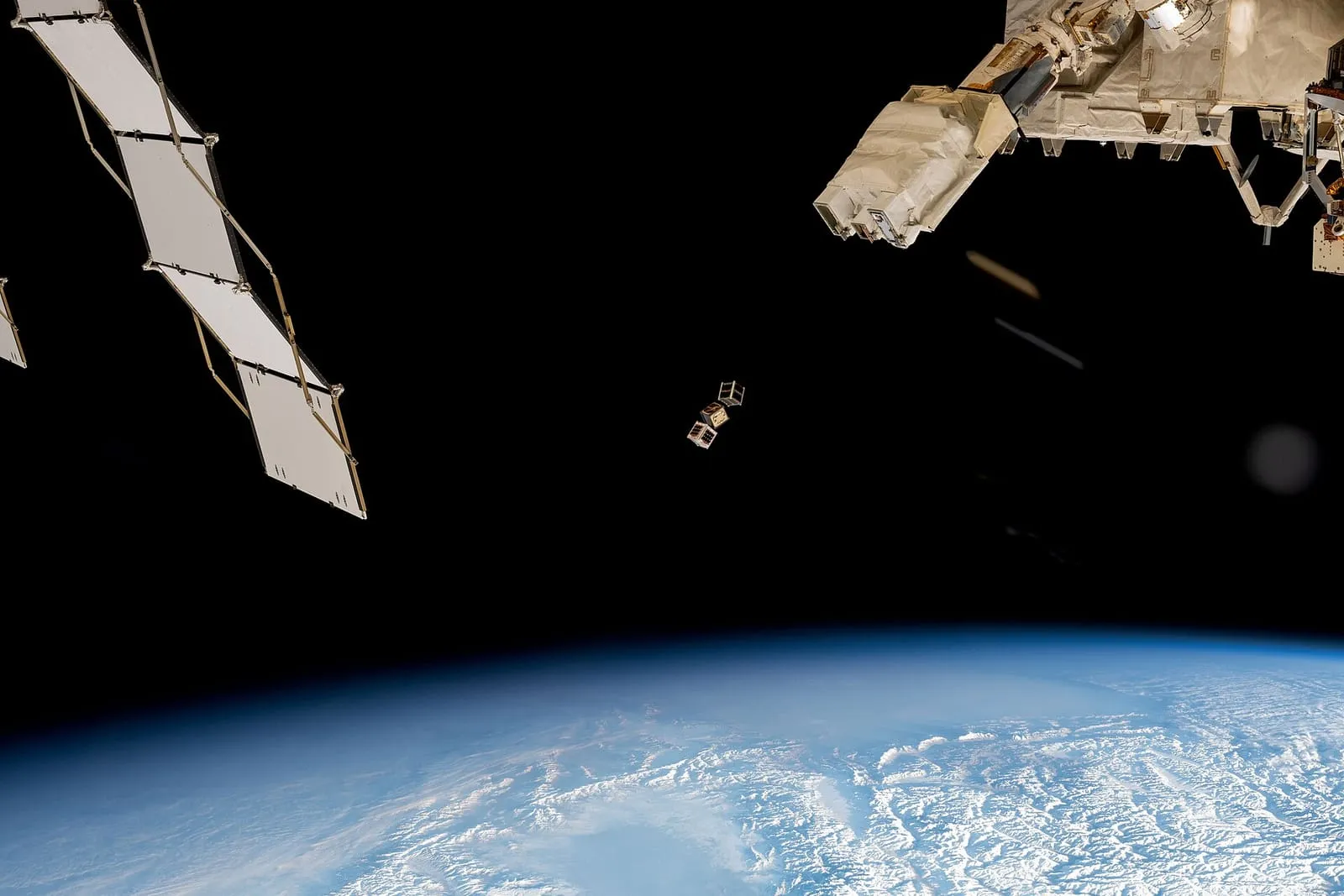
Satellites carry their own fuel, but unlike petrol in a car, it is not needed to keep up orbital speed. The fuel is set aside for changing orbit or avoiding debris.
Does an orbit wear down over time?
A few stray air molecules are found where satellites orbit, so they meet very slight air resistance. Over the years this resistance can slow a satellite down, a process called orbital decay. Thrusters on the satellite can now and then correct for this decay. The closer a satellite is to Earth, the more likely it is to meet traces of Earth’s atmosphere.
Can satellites collide?
Satellites can hit one another, but collisions are rare because a launched satellite is placed in an orbit that avoids others. Two communications satellites, one American and one Russian, collided in orbit in February 2009. As more satellites are launched, the chance of collisions also rises.
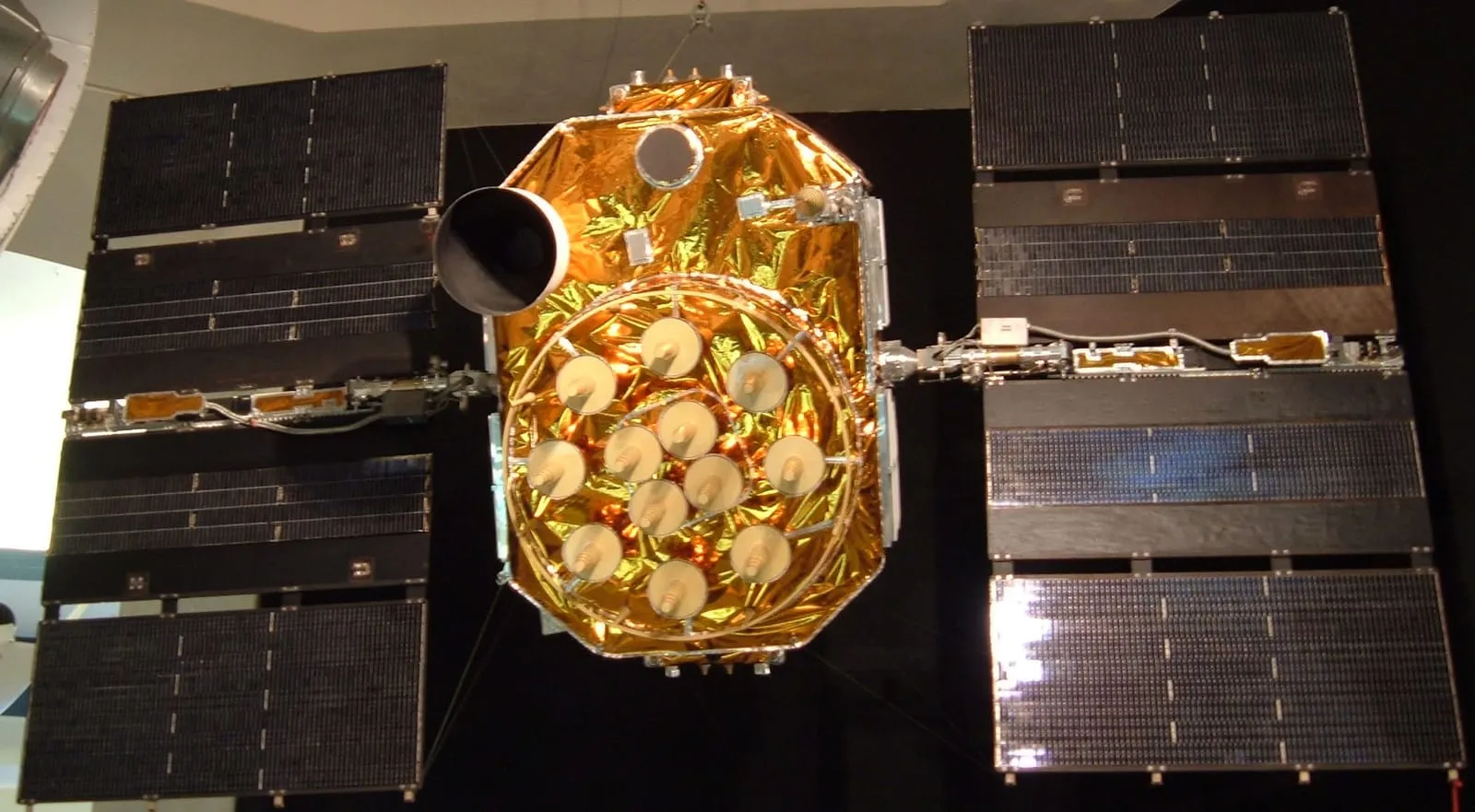
NOAA’s GOES-3 satellite had a working life spanning five different decades and six different US presidents. After 38 years, including a second life as a communications satellite, GOES-3 made history again in 2016. When its mission ended, GOES-3 was carefully moved into a “graveyard” orbit, which takes very little speed because it is so far from Earth.
Test yourself
Three questions from the article. Pick an answer to find out.
Question 1 of 3
Which statement about the speed of a satellite circling closer to Earth is correct?
A satellite circling closer to Earth needs more speed to resist the stronger pull. Source: National Environmental Satellite, Data, and Information Service
Show answer
Right answer: Stronger pull means more speed is needed to resist it
A satellite circling closer to Earth needs more speed to resist the stronger pull. Source: National Environmental Satellite, Data, and Information Service
Question 2 of 3
Is the fuel a satellite carries needed to keep up its orbital speed?
Satellites carry their own fuel, but unlike a car's petrol, it is not needed to keep up orbital speed. Source: National Environmental Satellite, Data, and Information Service
Show answer
Right answer: No, it is not needed to keep up orbital speed
Satellites carry their own fuel, but unlike a car's petrol, it is not needed to keep up orbital speed. Source: National Environmental Satellite, Data, and Information Service
Question 3 of 3
Does a satellite in orbit meet any air resistance?
A few stray air molecules are found where satellites orbit, so they meet very slight air resistance. Source: www.grc.nasa.gov
Show answer
Right answer: Yes, very slight resistance
A few stray air molecules are found where satellites orbit, so they meet very slight air resistance. Source: www.grc.nasa.gov